


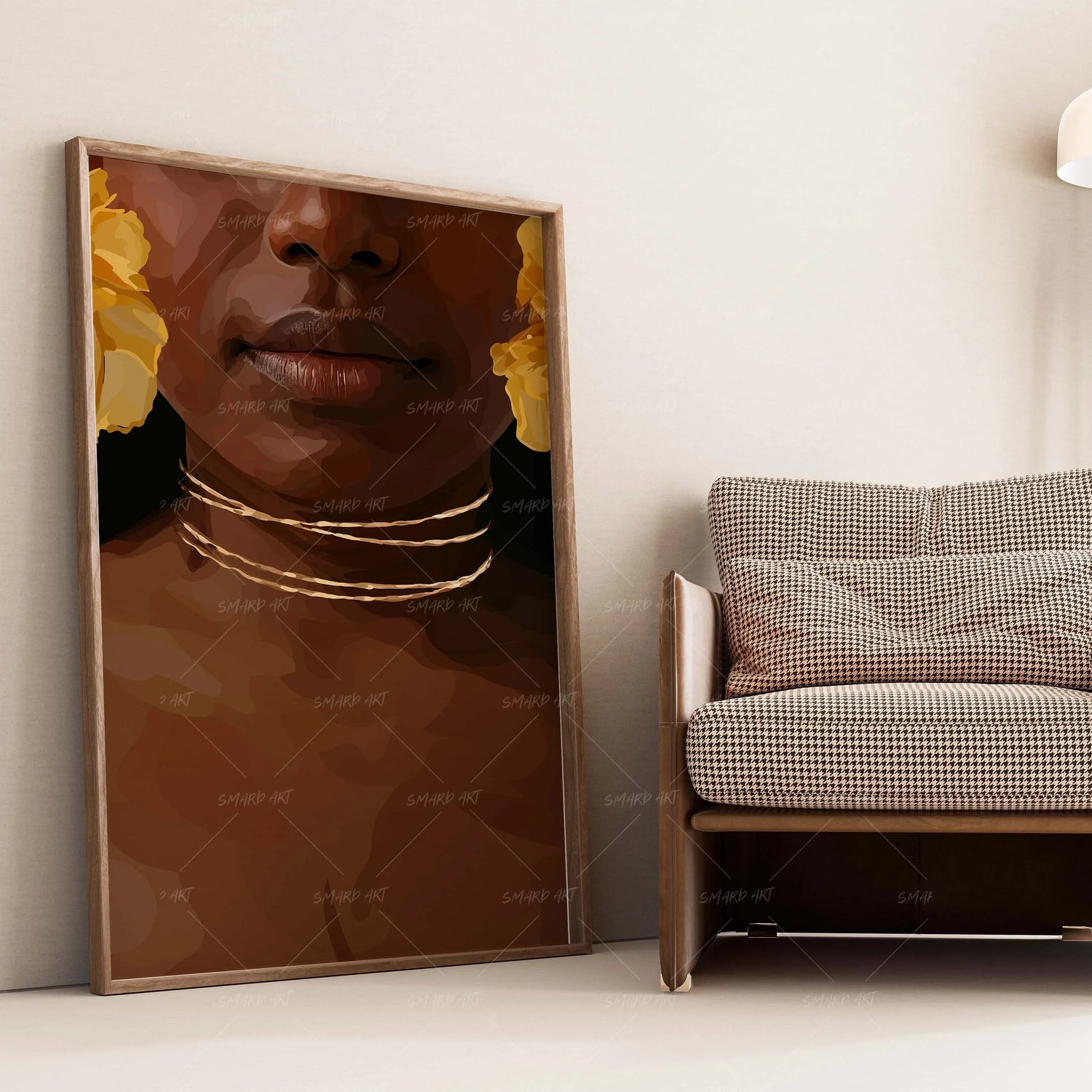
When someone enters your home, they begin forming opinions immediately.
Before they sit down.
Before they speak.
Before they even realize they’re observing.
And more often than not, wall art is what anchors that first impression.
Why Walls Speak Before People Do
Walls occupy the largest uninterrupted visual space in a room.
Furniture sits low. Accessories are secondary. But walls surround the visitor’s field of vision.
Wall art becomes the emotional introduction to the home.
It quietly answers questions like:
- Is this space intentional?
- Is it expressive or restrained?
- Does it feel personal or generic?
The Psychology of Visual Anchoring
The brain remembers environments through anchors.
Wall art acts as a dominant anchor because:
- It’s seen immediately
- It stays visually consistent
- It frames the rest of the room
Long after someone forgets the layout of your furniture, they often remember the art on the wall.
Why Art Leaves a Lasting Memory
Memory is tied to emotion.
Wall art carries emotional cues through:
- Color
- Contrast
- Subject matter
- Scale
Black wall art, in particular, often leaves a strong impression because it feels decisive and grounded without being chaotic.
Smard.art designs wall art that communicates presence without shouting.

Why People Underestimate Wall Art’s Role
Many people prioritize furniture first and treat art as an afterthought.
But art:
- Defines atmosphere
- Sets emotional tone
- Creates narrative
Furniture supports living. Wall art supports identity.
How First Impressions Become Long-Term Associations
When people revisit your home, the same wall art reinforces familiarity.
Over time, it becomes associated with:
- Comfort
- Personality
- Consistency
This is why art often becomes synonymous with the home itself.
Choosing Art That Represents You Well
Strong wall art doesn’t need to be dramatic.
It needs to be:
- Intentional
- Aligned with your mood
- Emotionally sustainable
Ask:
- Would I want this remembered?
- Does it reflect how I want this space to feel?
Smard.art and Intentional Presence
Smard.art curates wall art for people who understand impact.
Our designs are created to:
- Leave lasting impressions
- Feel emotionally stable
- Support identity expression
Black wall art from Smard.art often becomes the visual signature of a home.
Final Thought
People may forget what you said.
They may forget what you served.
But they’ll remember how your space felt — and wall art is often why.

Leave a comment
This site is protected by hCaptcha and the hCaptcha Privacy Policy and Terms of Service apply.