


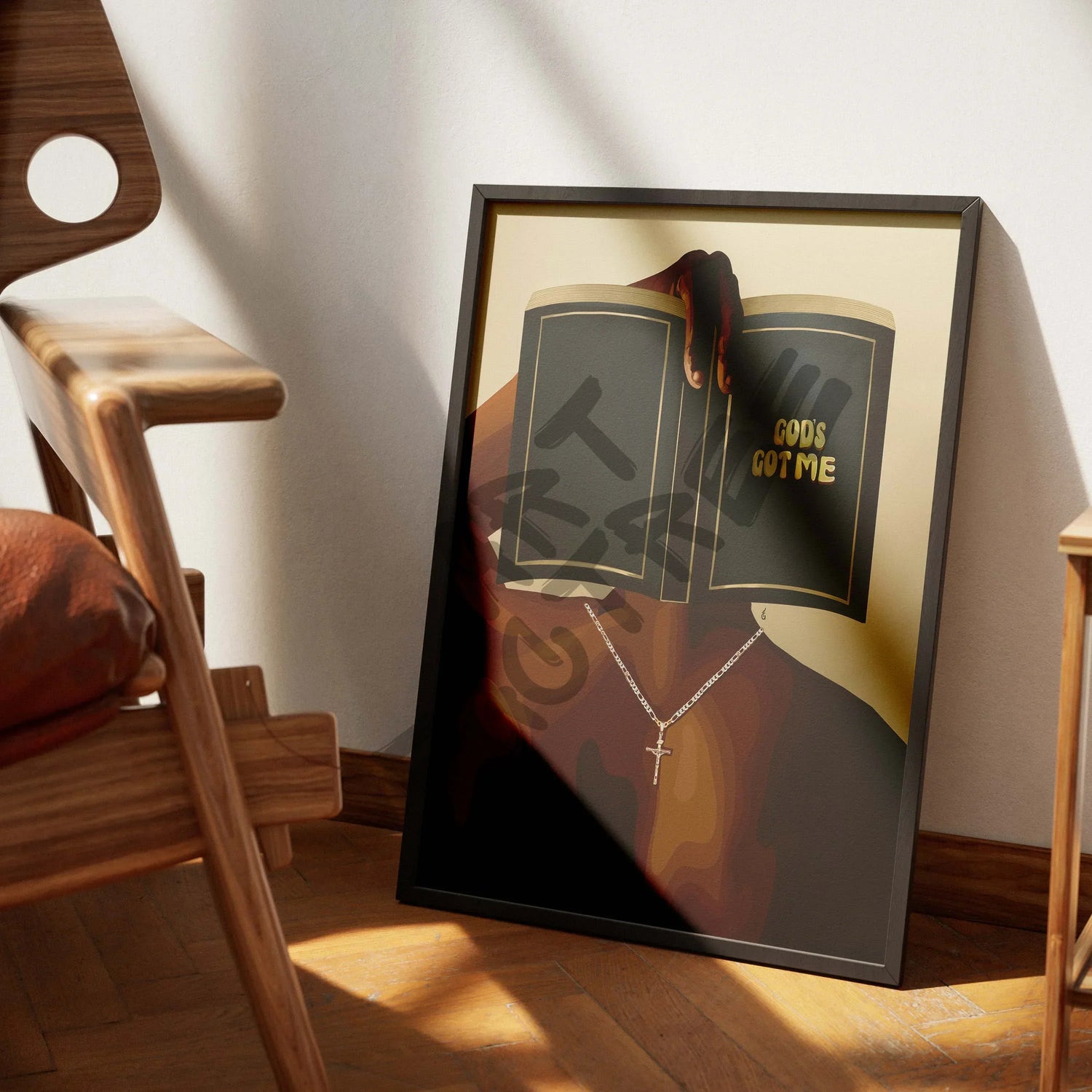
Negative space is often overlooked in interior design. People focus on what’s on the wall — colors, patterns, frames — without considering what isn’t there.
Yet negative space is what gives wall art breathing room, impact, and emotional resonance. Without it, walls can feel chaotic, cluttered, or oppressive — even if the art itself is beautiful.
Smard.art approaches wall art with negative space in mind, particularly in black wall art, which thrives in balance between presence and absence.
What Negative Space Really Does
Negative space is the area surrounding, between, and within art elements. It:
- Provides visual clarity
- Allows the eye to rest
- Enhances focus on important elements
Without negative space, even high-quality art can feel crowded or overwhelming.
Negative Space and Emotional Calm
Negative space doesn’t just affect aesthetics — it affects emotion. Calm walls:
- Reduce mental noise
- Encourage relaxation
- Support focus and mindfulness
Black wall art maximizes this effect because its boldness contrasts with the empty space around it, creating a sense of order.
The Illusion of Minimalism
Minimalist art often relies on negative space to communicate strength. Yet minimalism is not about emptiness — it’s about strategic absence.
Smard.art black wall art uses negative space to:
- Direct attention
- Balance visual weight
- Elevate the surrounding room
This subtlety is what separates impactful design from mere decoration.

How Negative Space Guides Perception
Negative space affects how viewers interpret scale, proportion, and hierarchy:
- Wider gaps make art feel monumental
- Smaller gaps make art intimate
- Empty walls emphasize the focal piece
This principle allows homeowners to control emotional response without adding more objects.
Integrating Negative Space With Other Elements
Walls rarely exist in isolation. Negative space interacts with:
- Furniture
- Lighting
- Flooring
- Decorative accessories
Black wall art thrives in this context. It creates a point of focus while letting surrounding elements complement it naturally.
Practical Tips for Using Negative Space
- Don’t fill every inch of wall
- Use one bold piece as an anchor
- Pair black wall art with subtle textures
- Respect visual breathing room
- Rotate or reposition pieces to maintain balance
Final Thought
Negative space is the unsung hero of wall art. It shapes perception, emotion, and harmony. By embracing it — particularly through black wall art from Smard.art — homeowners can create walls that are visually powerful, calming, and sophisticated.
Spaces with negative space don’t just look better — they feel better.

Leave a comment
This site is protected by hCaptcha and the hCaptcha Privacy Policy and Terms of Service apply.