


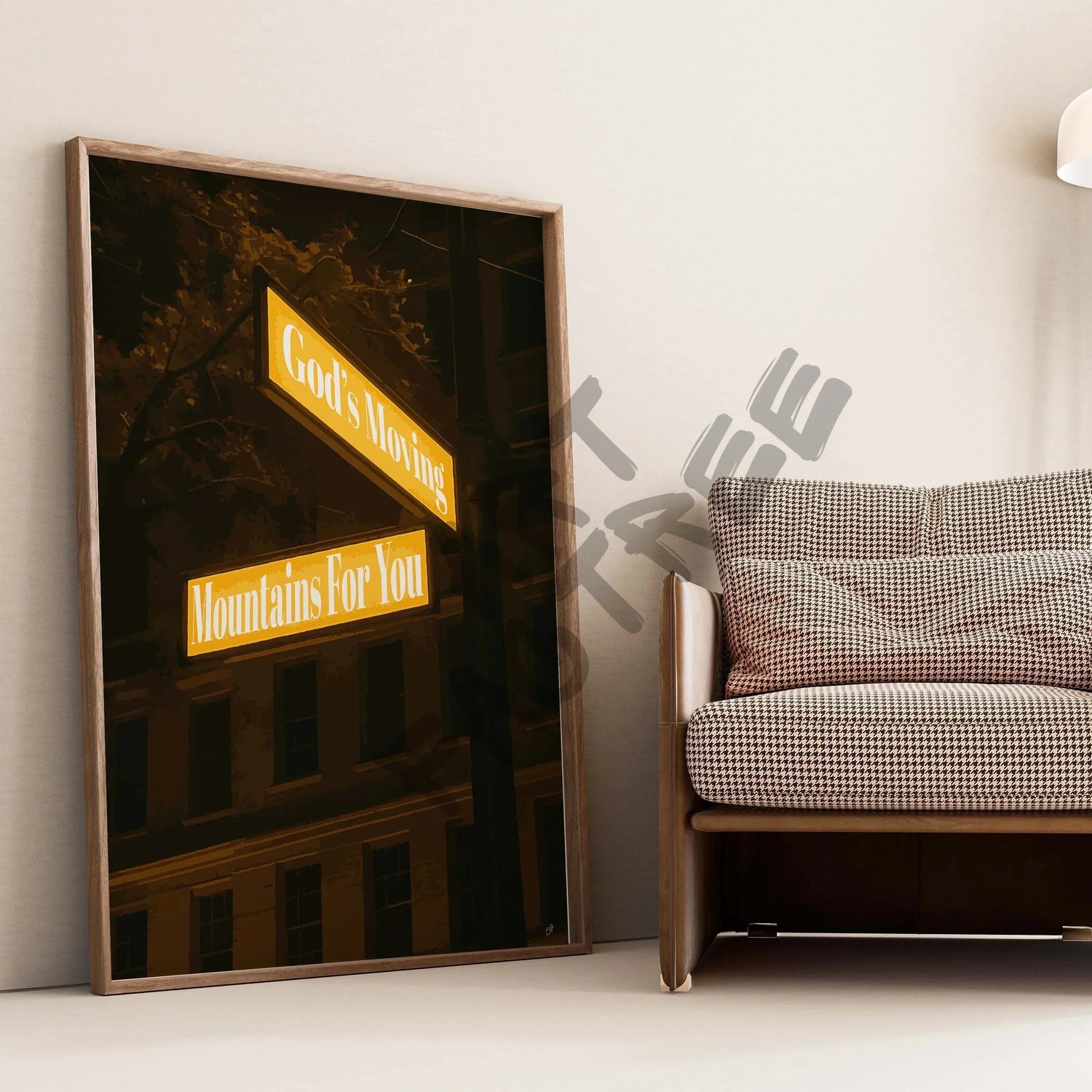
Minimalism promises calm, clarity, and space to breathe.
But many minimalist homes feel strangely uncomfortable—quiet, but not peaceful.
The issue isn’t minimalism itself.
The issue is empty walls.
Minimalism removes clutter, but when wall art is removed too aggressively, what’s left is visual silence that feels unresolved rather than serene.
This is where intentional wall art, especially black wall art, becomes essential—not decorative.
Smard.art designs wall art specifically for minimalist spaces that need grounding without noise.
The Myth of “Less Is More” on Walls
Minimalism doesn’t mean nothing.
It means only what matters.
In many homes:
- Furniture is intentional
- Color palettes are controlled
- Lighting is thoughtful
But walls are left bare under the assumption that emptiness equals elegance.
The human brain disagrees.
Why the Brain Needs Visual Anchors
Minimalist homes rely on negative space. But without anchors:
- The eye keeps searching
- The space feels temporary
- Emotional comfort drops
Wall art provides visual punctuation. It tells the brain: this space is complete.
Black wall art is especially effective because it:
- Grounds large empty walls
- Adds contrast without clutter
- Creates calm authority
Minimalism Without Wall Art Feels Like a Showroom
Homes without wall art often feel:
- Unlived-in
- Emotionally distant
- More like a display than a home
This is because nothing on the walls carries memory, meaning, or intention.
Smard.art approaches wall art as emotional structure, not surface decoration.

Why Black Wall Art Works Best in Minimalist Homes
Black wall art does something white space alone can’t:
- It stabilizes the visual field
- It absorbs excess light
- It gives the eye a resting point
In minimalist interiors, color-heavy art often feels intrusive. Black wall art integrates quietly while still holding presence.
That balance is what makes minimalist homes feel calm instead of cold.
The Difference Between “Empty” and “Intentional”
Empty walls say:
- “I haven’t decided yet”
- “This is temporary”
Intentional wall art says:
- “This space is finished”
- “This is deliberate”
Minimalism requires precision, not absence.
Why Smard.art Focuses on Minimalist Emotional Balance
Smard.art’s black wall art is designed to:
- Add weight without visual noise
- Feel timeless rather than trendy
- Support minimalist architecture
- It doesn’t dominate rooms. It completes them.
Where Wall Art Belongs in Minimalist Homes
Strategic placement matters:
- One strong piece > multiple small ones
- Eye-level alignment creates calm
- Negative space around art enhances impact
Minimalism isn’t about removal. It’s about clarity.
Final Thought
Minimalism without wall art feels unfinished because the mind needs anchors, not emptiness.
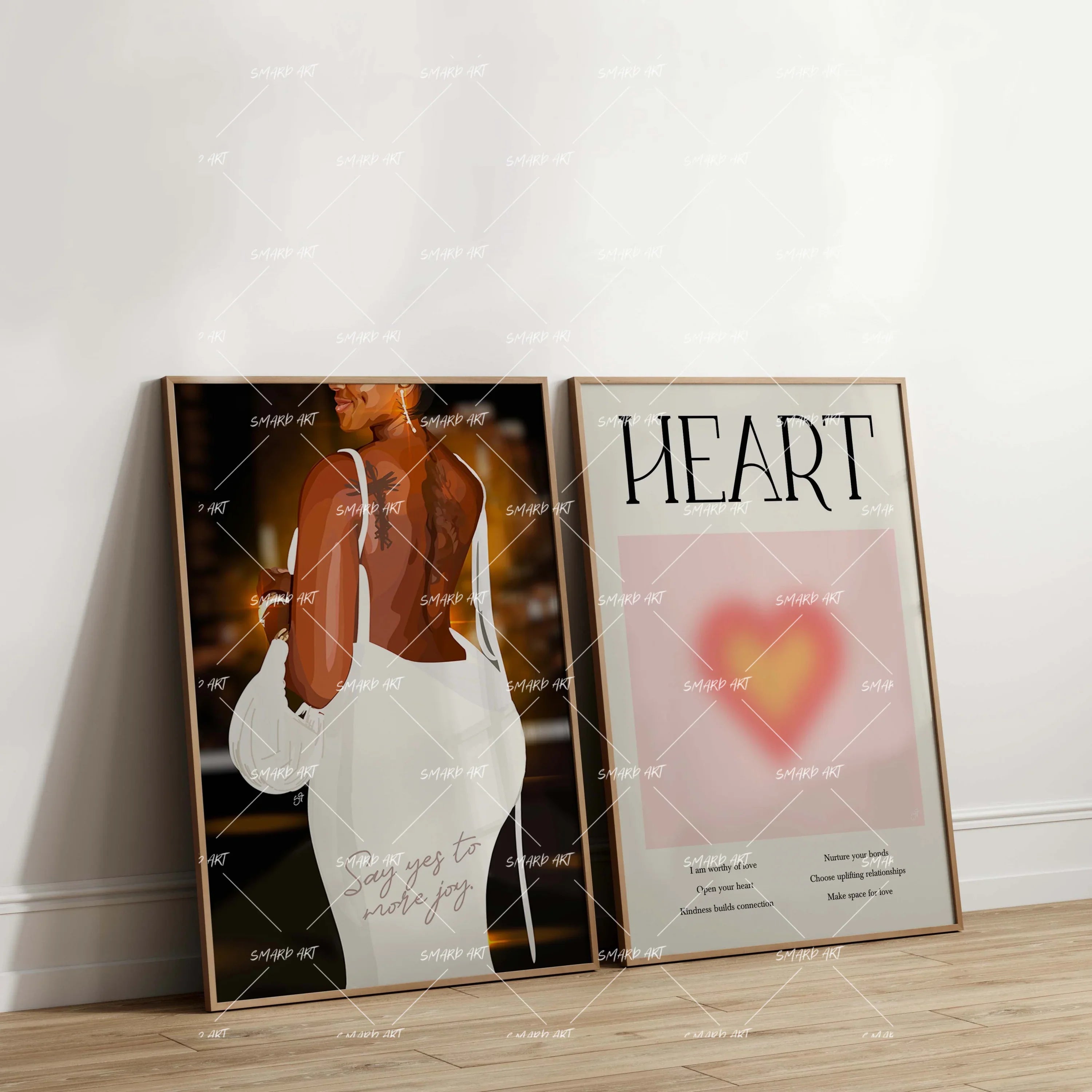
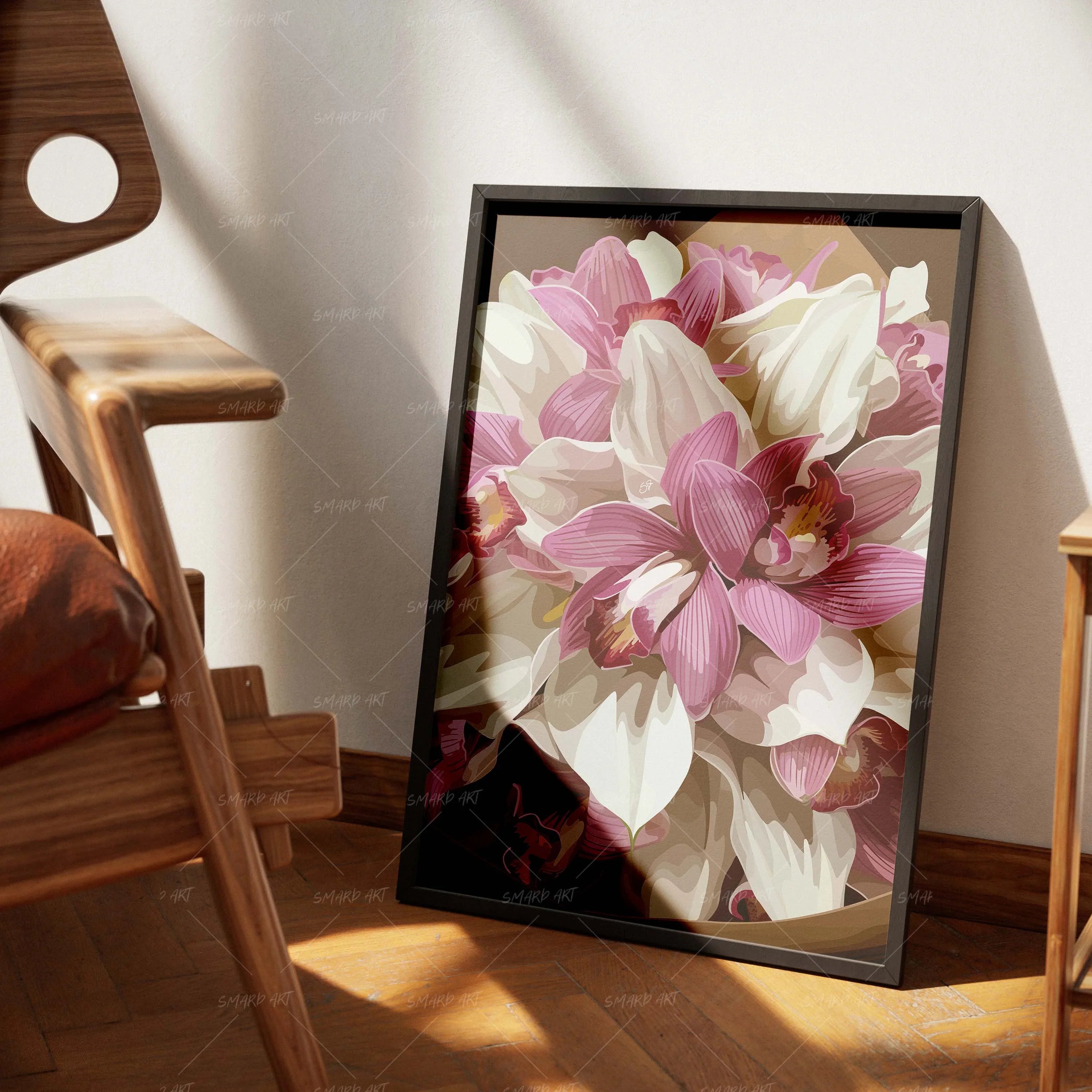
Black wall art from Smard.art completes minimalist homes by grounding space, calming the eye, and restoring emotional balance—without breaking minimalist principles.

Leave a comment
This site is protected by hCaptcha and the hCaptcha Privacy Policy and Terms of Service apply.