


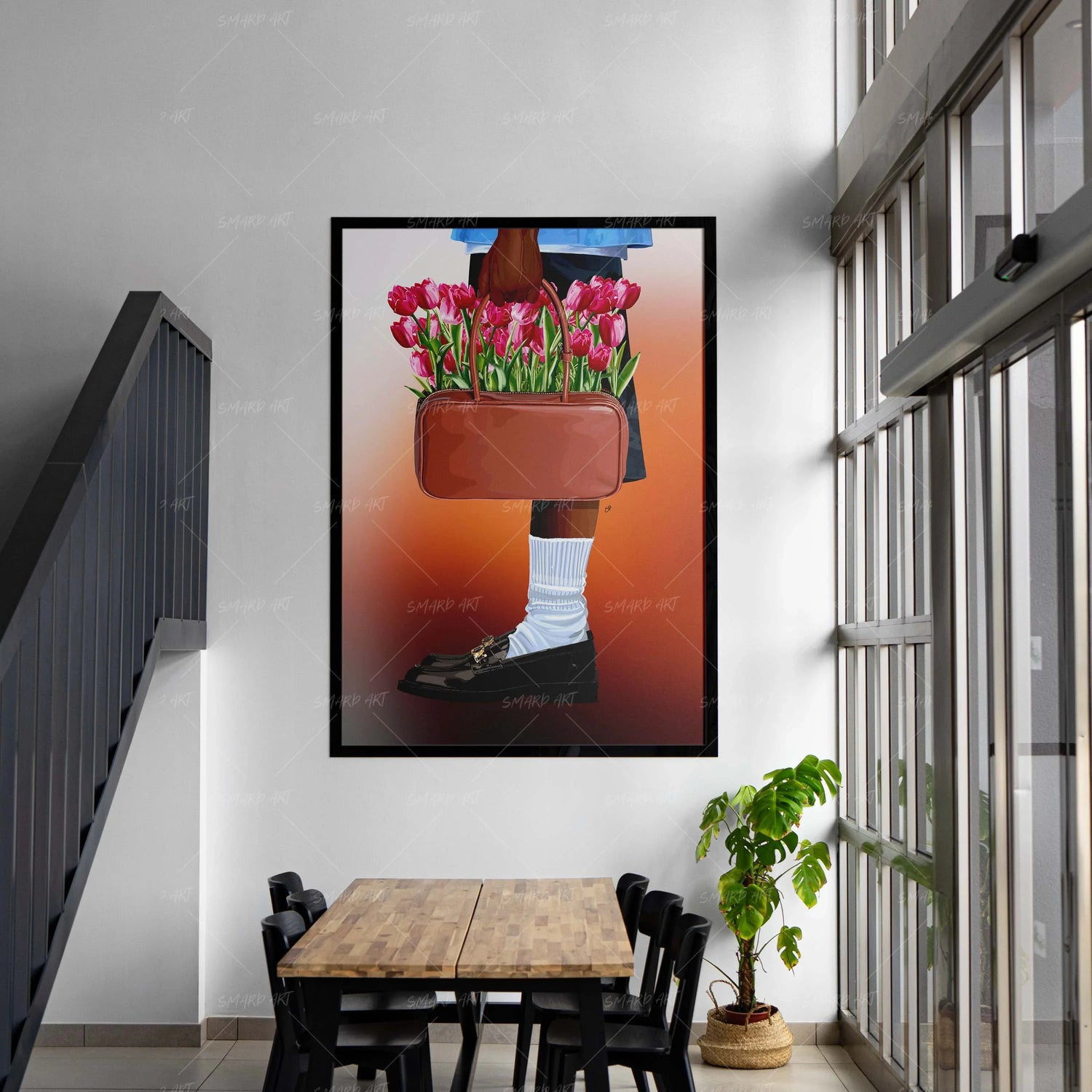
Some homes look finished but still feel temporary.
The furniture is there.
The layout works.
Everything functions.
Yet emotionally, the space feels like a placeholder—as if it’s waiting for something else to happen.
The reason almost always comes back to the walls.
Why Permanence Is Psychological, Not Physical
People often associate permanence with:
- Ownership
- Time
- Investment
But the brain defines permanence visually.
Walls are the most permanent surfaces in a home. When they’re empty, the mind assumes:
- “This isn’t final”
- “This is transitional”
- “This can change at any time”
Wall art communicates commitment.
The Emotional Difference Between ‘Staying’ and ‘Living’
Temporary spaces prioritize function.
Permanent spaces prioritize meaning.
Wall art is one of the clearest signals that someone isn’t just staying somewhere—they’re living there.
Black wall art, in particular, conveys decisiveness and confidence.
Why Renters and Owners Experience This Alike
This feeling isn’t about owning or renting.
Even homeowners with bare walls often feel unsettled because nothing visually confirms that the space is claimed.
Smard.art designs wall art that allows people to emotionally settle into a space—regardless of how long they’ve been there.
Empty Walls Signal Unfinished Decisions
From a psychological standpoint, empty walls suggest:
- Indecision
- Delay
- Emotional neutrality
The brain doesn’t like unresolved environments.
Wall art resolves that tension.

Why Black Wall Art Creates Stability
Black wall art:
- Grounds large spaces
- Adds visual weight
- Feels intentional and final
Unlike trend-based colors, black feels timeless—important for creating permanence.
Smard.art uses black wall art to anchor homes emotionally, not just visually.
The ‘Before and After’ Effect of Wall Art
Before wall art:
- Rooms feel movable
- Energy feels unsettled
- Spaces feel interchangeable
After wall art:
- Rooms feel claimed
- Energy slows
- The home feels rooted
Why Permanence Improves Well-Being
Living in a space that feels temporary keeps the nervous system alert.
Permanent-feeling spaces:
- Reduce mental load
- Increase comfort
- Improve rest
Wall art contributes more to this than most people realize.
Final Thought
Homes don’t feel permanent because of mortgages or leases.
They feel permanent because of visual commitment.
Wall art—especially black wall art from Smard.art—tells your brain: this space is settled.

Leave a comment
This site is protected by hCaptcha and the hCaptcha Privacy Policy and Terms of Service apply.