


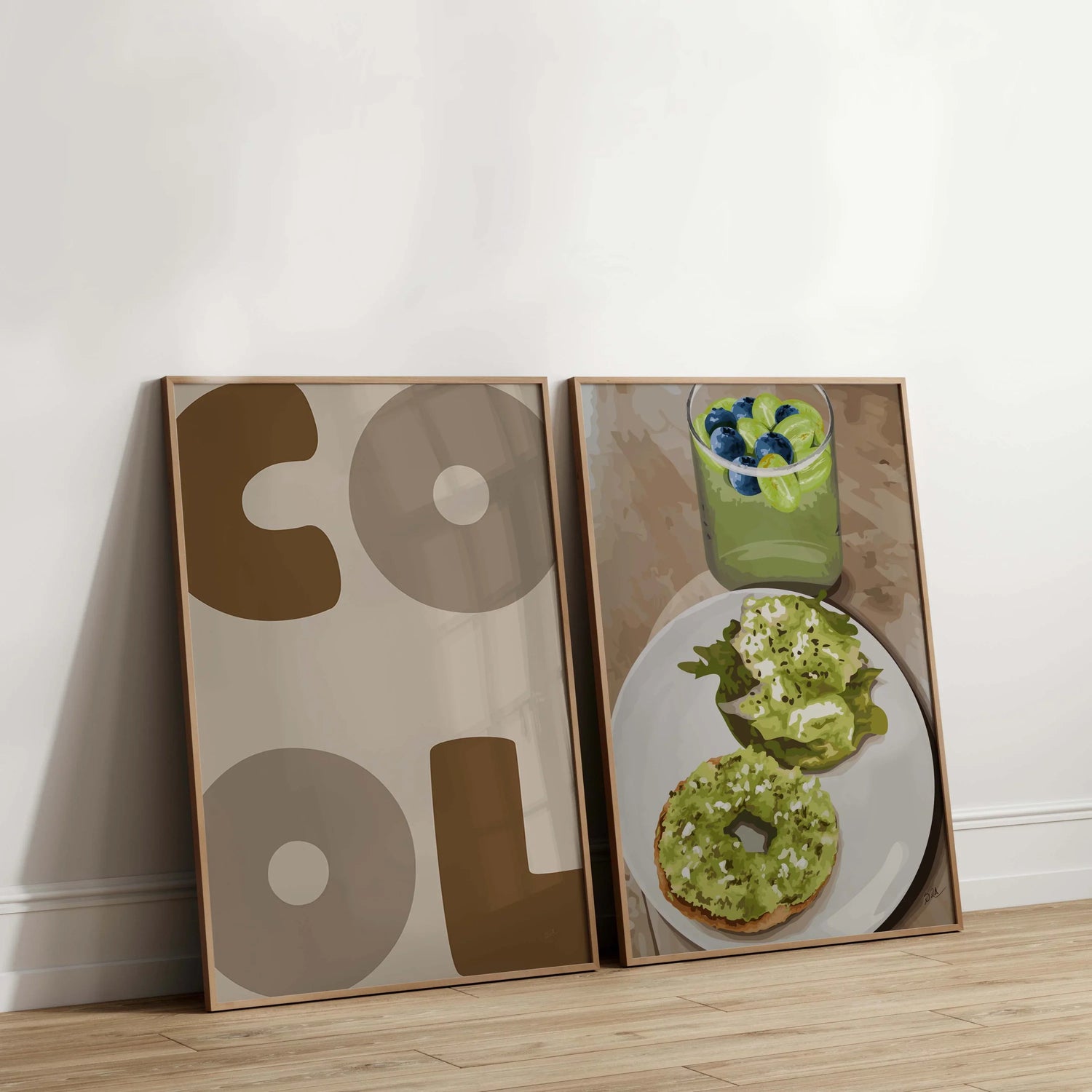
Empty walls often feel harmless. Clean. Neutral. Minimal.
But psychologically, they are rarely silent.
Humans don’t experience space the way architecture does. We experience it emotionally, subconsciously, and continuously. When walls are left bare, the brain doesn’t interpret them as “nothing.” Instead, it registers absence, unfinishedness, and in many cases, subtle unease. This is what designers and psychologists often refer to as mental noise.
Mental noise isn’t loud or obvious. It’s the low-level tension you feel when a room never quite settles. And empty walls are one of its most overlooked causes.
What Mental Noise Actually Is
Mental noise is the background cognitive effort your brain makes to process its surroundings. When a space lacks visual anchors:
- The eye keeps searching
- The brain never “lands”
- Attention stays slightly fragmented
Empty walls force the mind to work harder than it should. Instead of guiding focus, they demand it.
Wall art acts as a visual resolution — a signal to the brain that the space is complete.
Why Empty Walls Feel Worse Than You Think
Modern homes often prioritize furniture, lighting, and flooring, while walls are treated as an afterthought. But walls make up the largest visual surface area in most rooms.
When they’re empty:
- Rooms feel larger but less grounded
- Spaces feel temporary, even if lived in for years
- The environment lacks emotional feedback
This is why people often say a home “doesn’t feel finished” even when everything is in place.
How Wall Art Reduces Mental Noise
Wall art gives the brain something to settle on. It creates:
- Visual endpoints
- Emotional cues
- Spatial clarity
A well-placed piece of wall art stops the eye from wandering endlessly. It tells the brain: this is intentional.
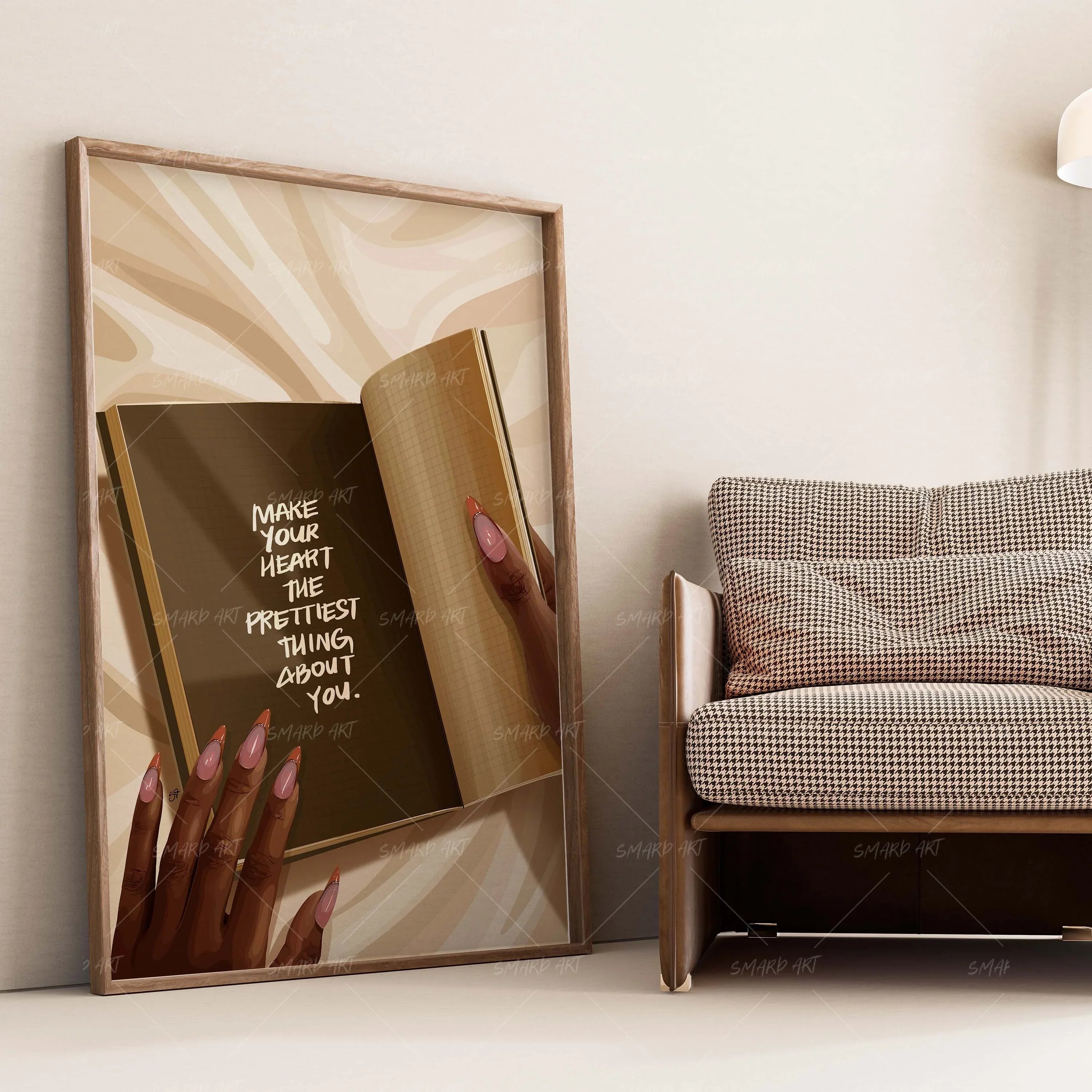
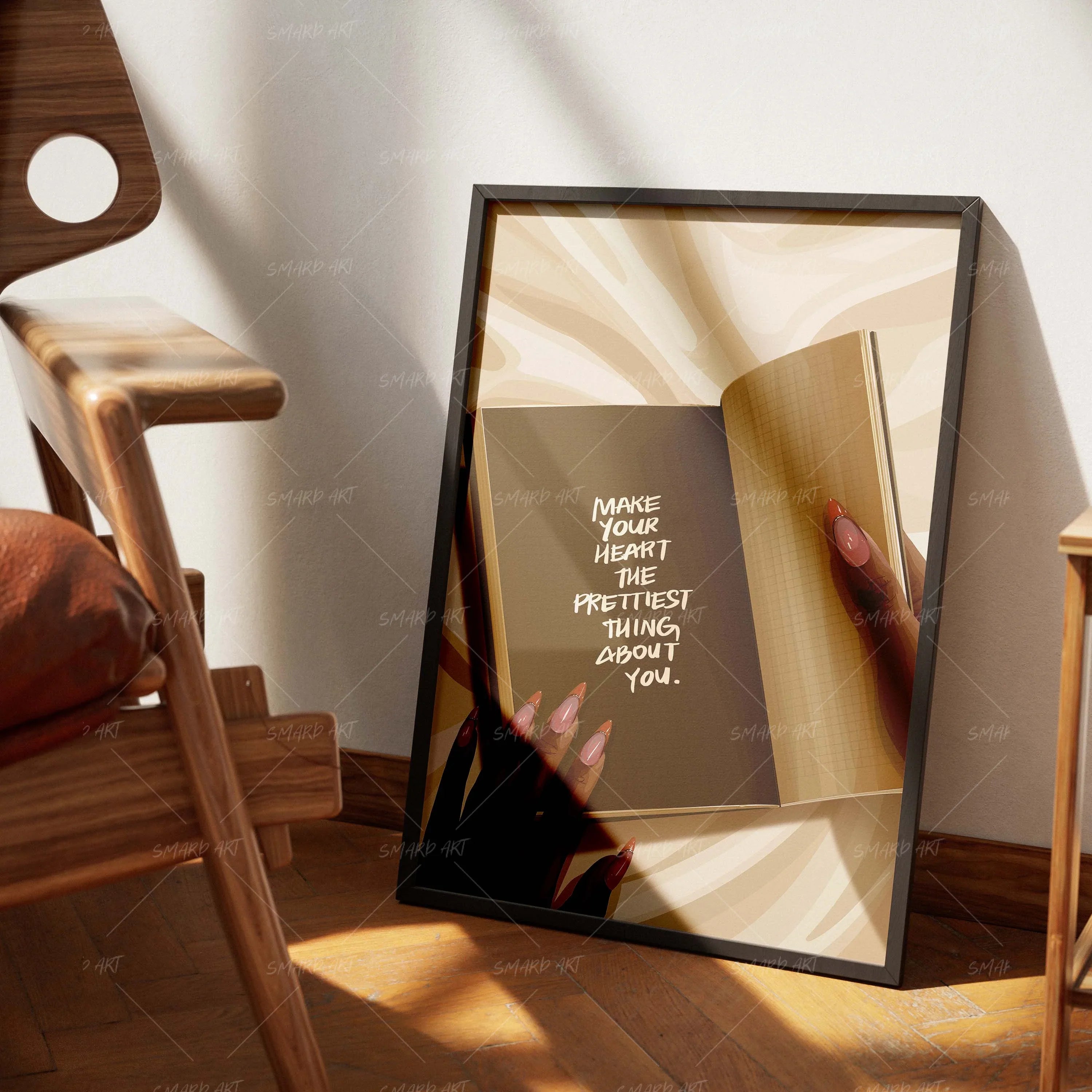
At Smard.art, wall art is designed not just to decorate, but to stabilize spaces visually and emotionally.

The Unique Role of Black Wall Art
Black wall art plays a special role in reducing mental noise.
Unlike bright or overly complex pieces, black wall art:
- Grounds the space
- Creates strong contrast
- Absorbs visual chaos rather than adding to it
Black gives structure without distraction. This is why black wall art from Smard.art works so well in busy homes, open-plan spaces, and rooms where calm is essential.
Empty Walls vs. Quiet Walls
There’s an important distinction:
- Empty walls feel unfinished
- Quiet walls feel intentional
Quiet walls are not overloaded, but they are anchored. One strong piece of wall art can quiet an entire room.
Minimalism doesn’t mean absence — it means precision.
Why Furniture Alone Can’t Fix It
Furniture occupies horizontal space. Wall art defines vertical experience.
Without wall art:
- Furniture floats visually
- Rooms feel bottom-heavy
- The upper visual field remains unresolved
Wall art completes the spatial conversation.
How to Use Wall Art to Eliminate Mental Noise
- Choose fewer, stronger pieces
- Prioritize contrast (black wall art excels here)
- Place art where the eye naturally lands
- Avoid overcrowding — one anchor is often enough
Smard.art’s black wall art is intentionally designed for this purpose: to resolve space, not clutter it.
Final Thought
Empty walls are not neutral. They subtly ask your brain to keep working.
Wall art answers that question.
When you introduce thoughtful wall art — especially grounding black wall art from Smard.art — your home becomes quieter, calmer, and emotionally complete.

Leave a comment
This site is protected by hCaptcha and the hCaptcha Privacy Policy and Terms of Service apply.