


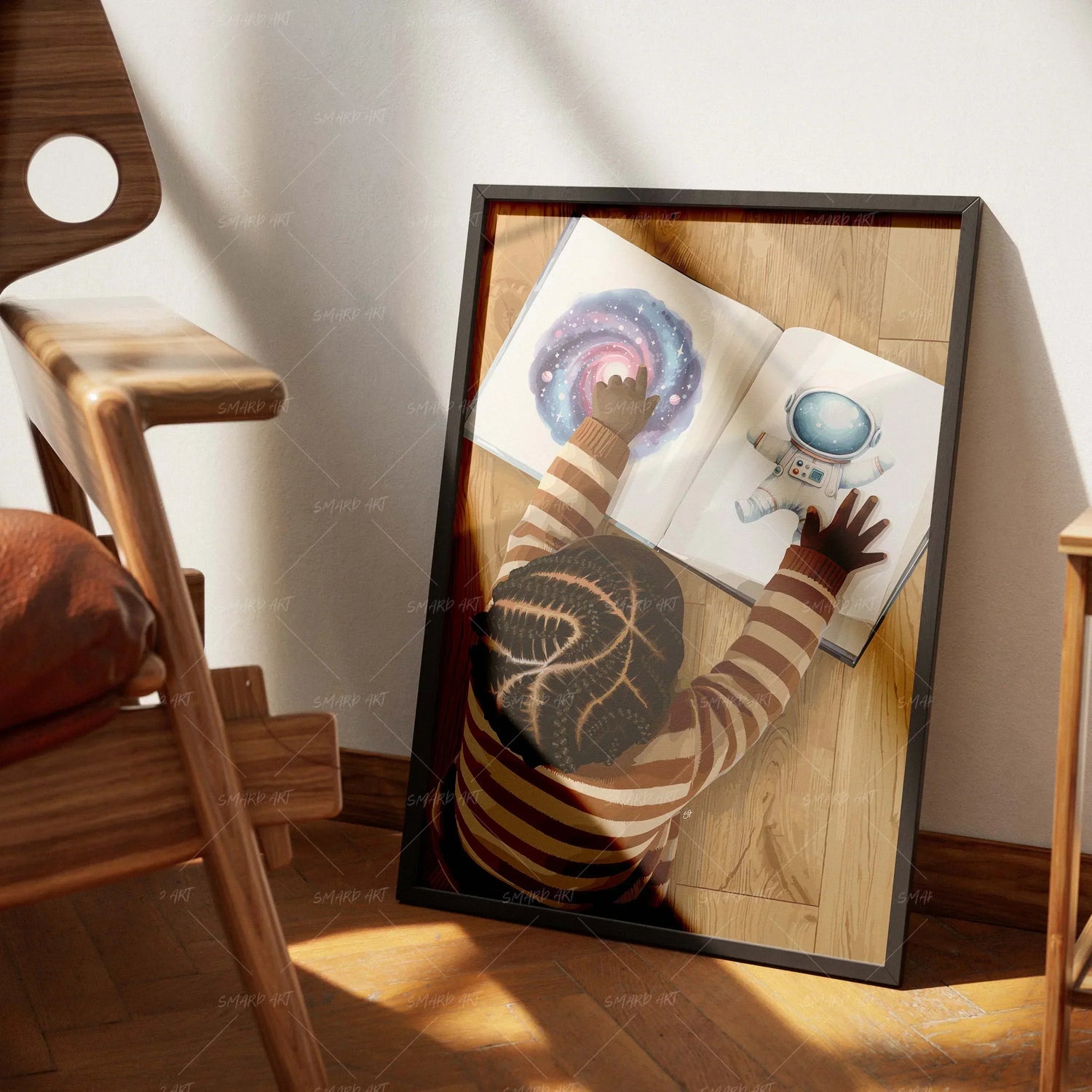
What Kind of Wall Art Makes a Living Room Feel Complete?
A living room never truly feels “finished” until the right wall art is in place. Furniture sets the function, lighting builds the atmosphere, but wall art creates identity. It is what turns an ordinary living area into a visually intentional space. Yet many homeowners struggle to identify exactly what type of art makes a living room feel complete.
Understanding the psychology of visual balance, focal points, and stylistic cohesion allows you to choose art that doesn’t just fill space but elevates it. Below is a structured breakdown of the core elements that determine whether wall art feels complete, not random.
1. The Right Scale Anchors the Room
Scale is the first and most important factor because an artwork that is too small instantly weakens the room’s visual impact.
A living room looks complete when the wall art:
- Matches roughly 60–75% of the width of the furniture beneath it
- Sits at eye level (center at 57–60 inches from the floor)
- Feels proportionate to the height and openness of the space
Large-scale pieces create an immediate sense of intention, which is why many SmardArt collectors choose oversized canvas prints for the main wall.
2. A Defined Focal Point Completes the Visual Flow
Every well-designed living room has one clear focal point. Wall art often plays that role better than any other element.
A focal point piece works when it:
- Has strong contrast or striking subject matter
- Leads the eye into the room
- Establishes mood before anything else
Rooms without a focal point feel unfinished, no matter how many decorative objects are present.
3. Color Harmony Brings the Room Together
The most complete-looking living rooms use wall art to reinforce the color palette.
You can create harmony by choosing art that:
- Matches one or two primary room colors
- Introduces an accent color found in pillows or décor
- Brings warmth into cool-toned spaces or balance into neutral spaces
The easiest rule is the 60–30–10 principle:
- 60% room color
- 30% secondary color
- 10% accent color (often reflected in wall art)

4. Emotional Relevance Completes the Experience
A living room also feels more complete when the art reflects personal identity—culture, values, or aesthetic preferences. This is often why homeowners gravitate toward meaningful pieces rather than generic décor.
Art with personal meaning tends to:
- Create emotional grounding
- Make guests feel the space expresses someone’s story
- Age well because it doesn’t rely on trends
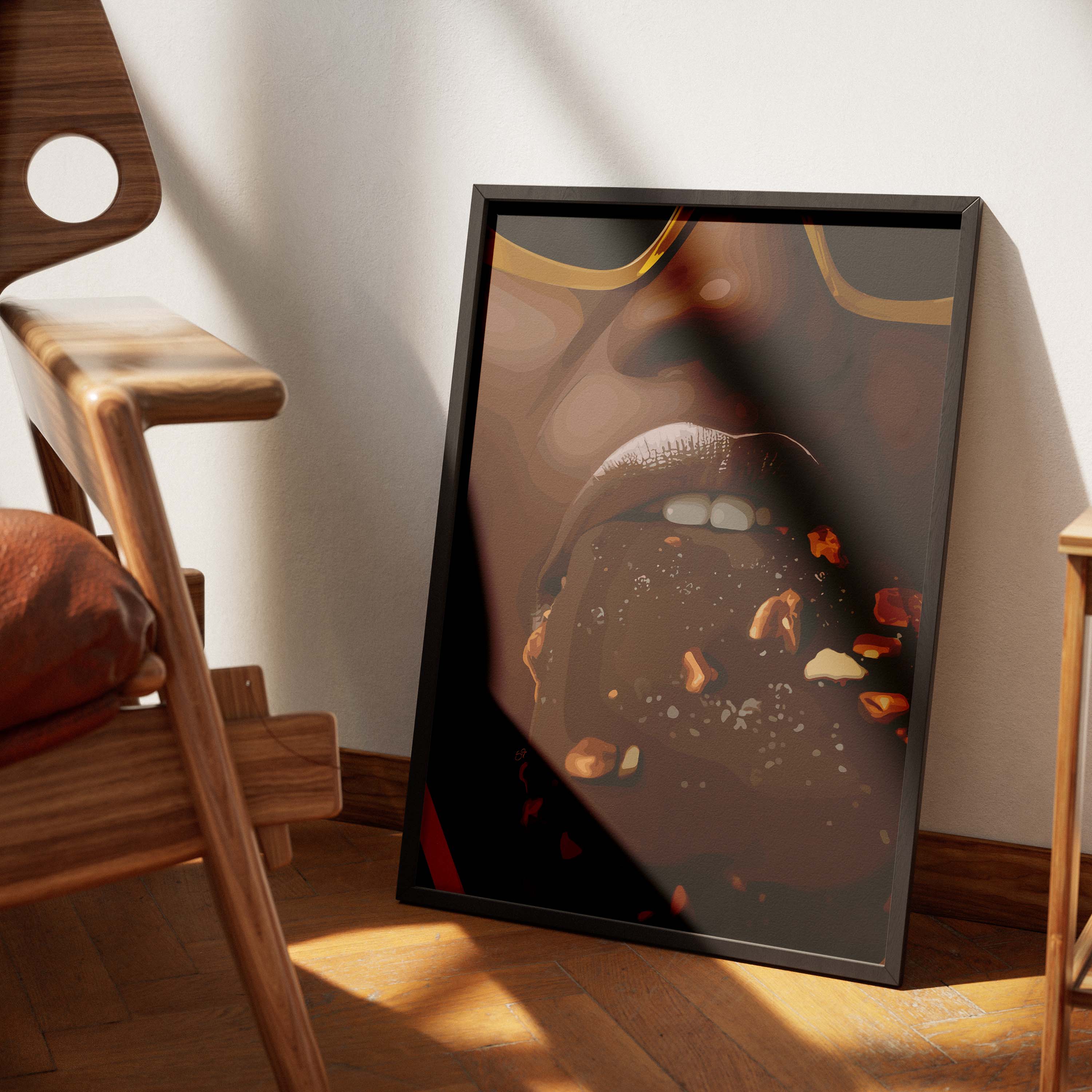
SmardArt’s collections often appeal to this need by blending cultural depth with modern styling.
5. Texture and Medium Add Depth
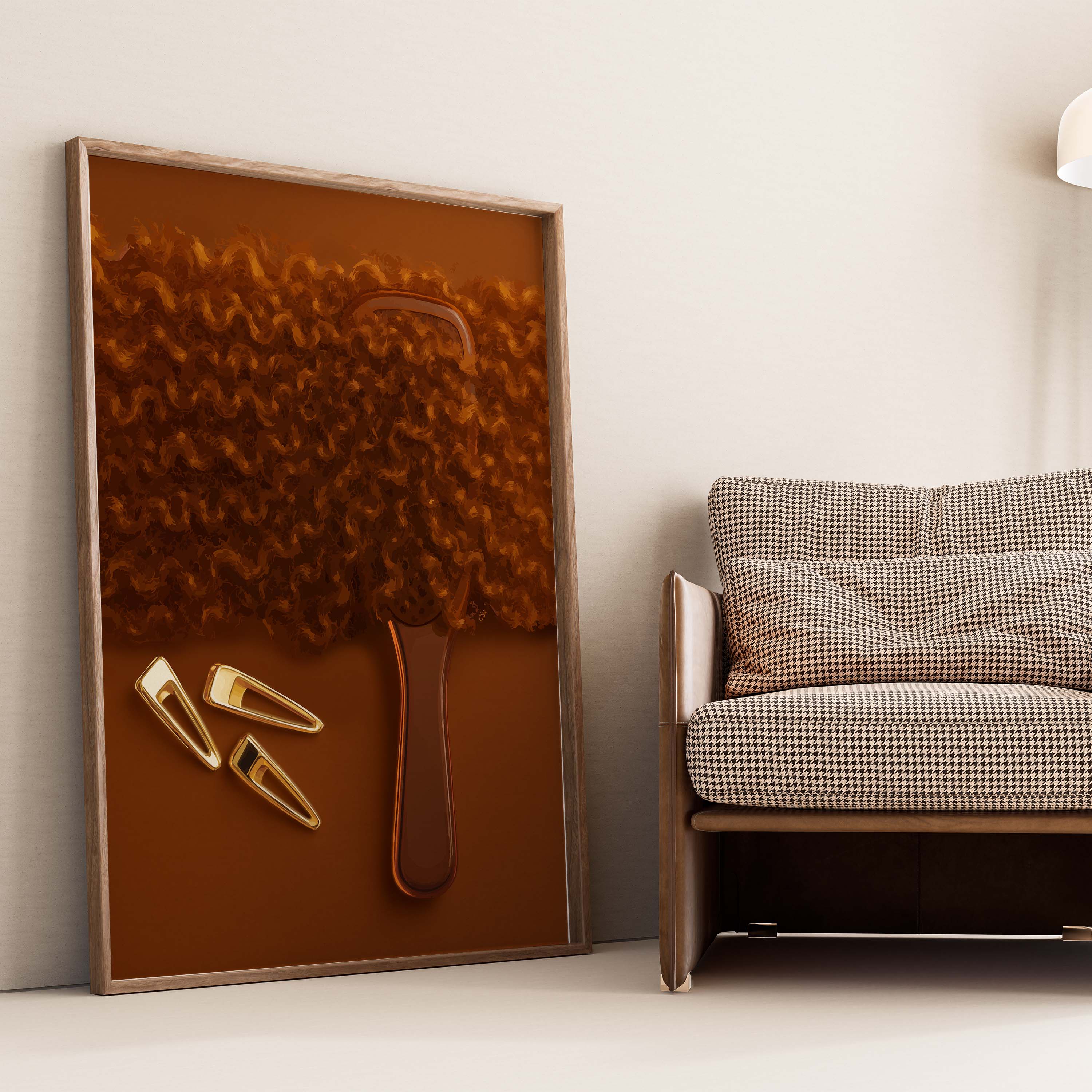
A room with only flat surfaces feels unfinished. Mixed-media art, textured canvases, brushstroke-rich prints, and framed art with matting introduce depth that makes the space visually layered.
Textures complete a room by providing:
- Dimension
- Visual interest
- A sense of craftsmanship
Conclusion
A living room feels complete when wall art adds scale, meaning, color harmony, focal clarity, and textural depth. The right piece doesn’t just decorate the space—it defines it.

Leave a comment
This site is protected by hCaptcha and the hCaptcha Privacy Policy and Terms of Service apply.