


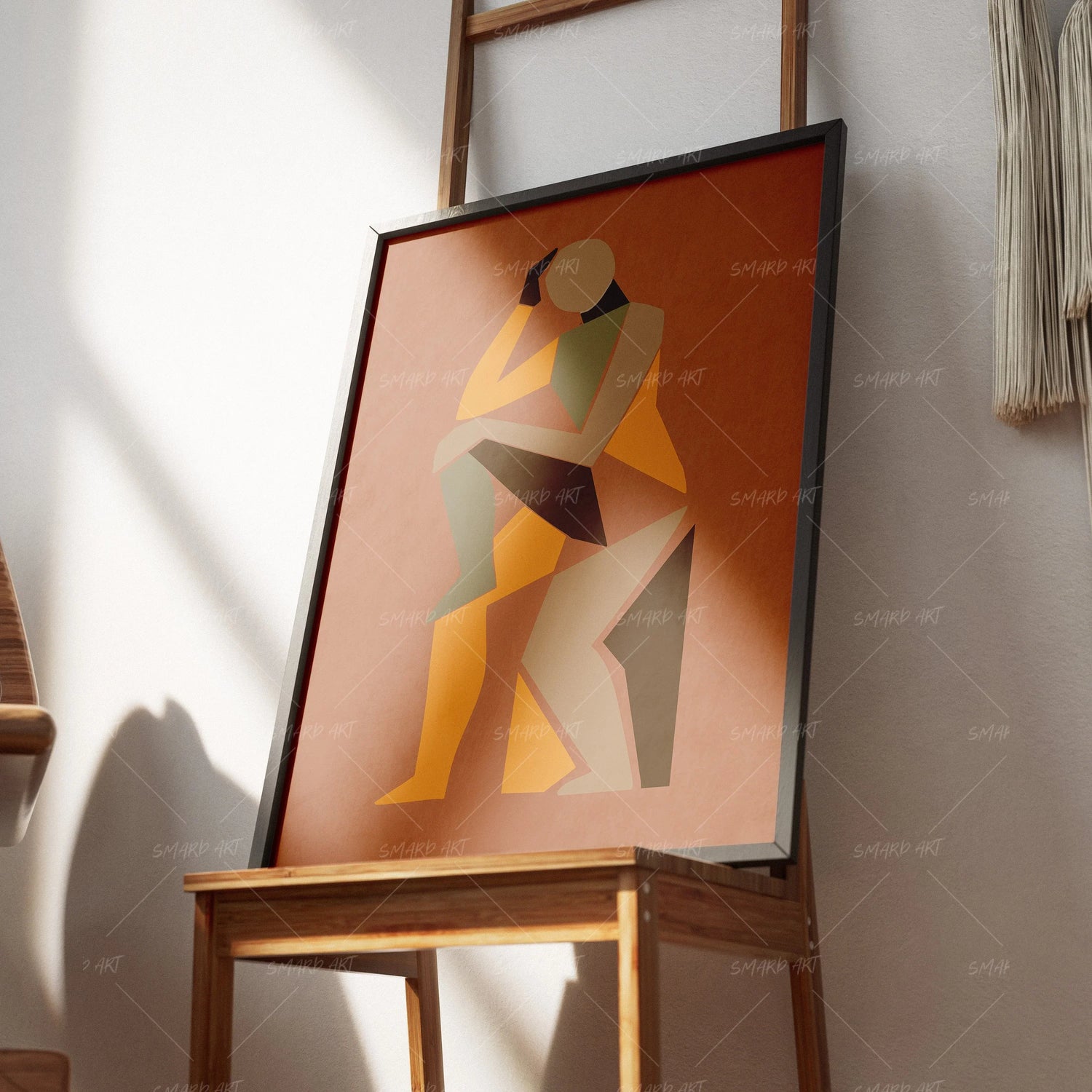
High ceilings are one of the most desirable architectural features in a home. They create a sense of openness, allow more natural light to circulate, and make rooms feel grand and spacious. However, decorating walls in rooms with high ceilings can be surprisingly challenging.
Many homeowners struggle with tall walls because traditional decorating techniques often leave large sections of empty space. Small artwork that works perfectly in standard-height rooms can appear insignificant when surrounded by towering walls. The result is a room that feels unfinished rather than elegant.
The good news is that high ceilings provide incredible opportunities for dramatic wall art displays. When approached thoughtfully, they allow you to create interiors that feel luxurious, balanced, and visually impressive.
Understanding the Scale of the Room
The biggest mistake people make when decorating tall walls is underestimating scale.
Artwork that looks substantial in a room with eight-foot ceilings may look tiny in a room with twelve-foot or fifteen-foot ceilings.
High ceilings require a different mindset. Instead of thinking about individual pieces, think about how artwork interacts with the entire wall.
The goal is not necessarily to fill every inch of space but to create visual balance between the height of the wall and the furnishings below.
Go Bigger Than You Think
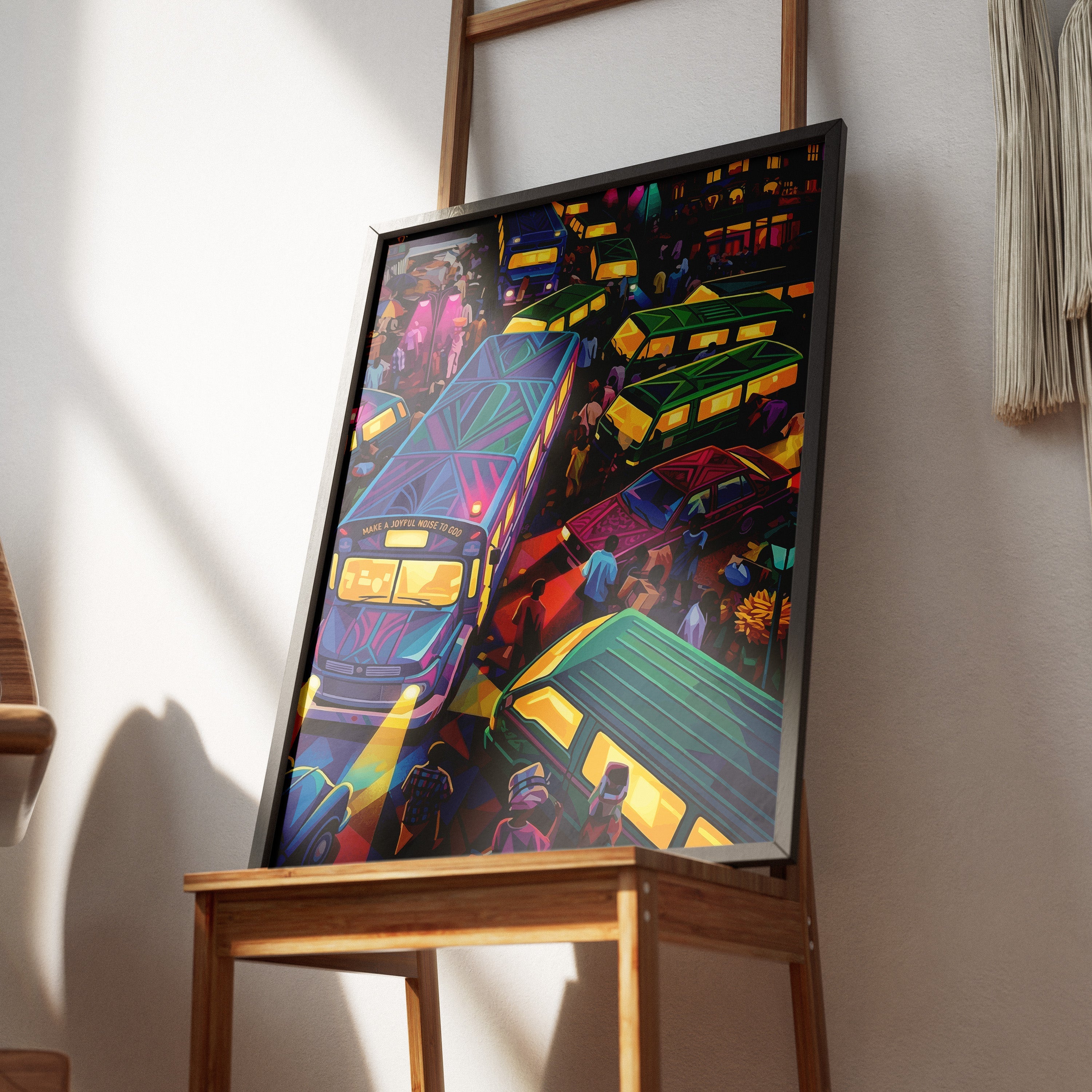
Large-scale artwork is often the best solution for rooms with high ceilings.
A single oversized canvas can immediately create a focal point while helping the room feel proportionate.
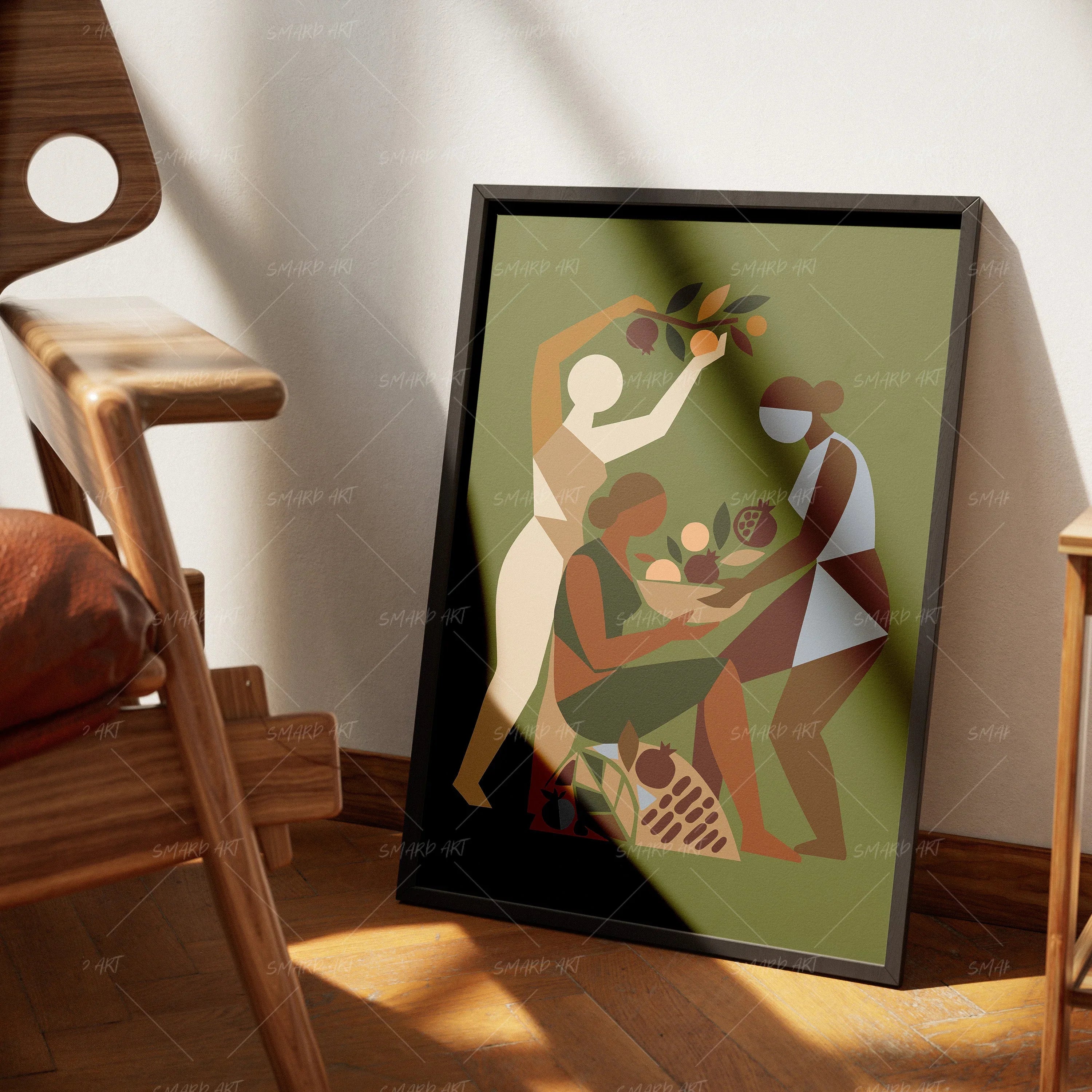
Large abstract pieces work particularly well because they create impact without overwhelming the space with excessive detail.
Landscape photography, oversized botanical prints, and modern canvas artwork are also excellent choices.
In many cases, homeowners choose artwork that is too small because they worry large pieces will dominate the room. In reality, high ceilings often require larger artwork to feel balanced.
Use Vertical Artwork to Emphasize Height
Tall walls naturally draw the eye upward.
Vertical artwork works with this architectural feature rather than fighting against it.
Long, narrow pieces can emphasize height while creating elegant visual flow.
This approach is particularly effective in entryways, staircases, and living rooms with vaulted ceilings.
Vertical arrangements also help fill awkward wall sections that might otherwise feel empty.
Create Multi-Panel Installations
If a single oversized piece is not practical, consider a multi-panel arrangement.
Diptychs and triptychs allow you to create substantial visual impact without relying on one massive artwork.
Multi-panel designs also introduce movement and rhythm to the wall.
When viewed from a distance, the collection functions as one large statement piece while maintaining visual interest through separation.
This approach is especially popular in contemporary and modern interiors.
Build a Large Gallery Wall
Gallery walls are not limited to small spaces.
In fact, high ceilings provide an ideal canvas for larger gallery installations.
A thoughtfully curated gallery wall can fill vertical space while showcasing personality and style.
The key is planning.
Instead of spreading artwork randomly, create a unified arrangement that feels intentional.
Consistent spacing, coordinated frames, and a clear visual structure help prevent the display from feeling cluttered.
Consider the Furniture Below
Wall art should never be chosen in isolation.
The relationship between artwork and furniture is critical.
For example, a large sofa beneath a tiny piece of art creates visual imbalance.
Similarly, a tall wall above a fireplace may require larger artwork than you initially expect.
Think of the furniture and artwork as one composition rather than separate elements.
This perspective helps create harmony throughout the room.
Use Architectural Features to Your Advantage
Rooms with high ceilings often include architectural details such as:
- Exposed beams
- Large windows
- Fireplaces
- Staircases
- Built-in shelving
Wall art should complement these features rather than compete with them.
For example, artwork placed between large windows can help unify the wall.
Similarly, a staircase wall provides an excellent opportunity for a dramatic gallery display that follows the angle of the stairs.
Don't Be Afraid of Empty Space
Many homeowners assume every tall wall must be completely filled.
This is not true.
Negative space is an important design tool.
Luxury interiors often use empty wall space strategically to create a sense of openness and sophistication.
The goal is balance, not maximum coverage.
A well-placed large artwork with generous surrounding space often feels more elegant than dozens of smaller pieces covering the entire wall.
Lighting Makes a Huge Difference
Lighting becomes even more important in rooms with high ceilings.
Without proper lighting, artwork can appear disconnected from the rest of the room.
Wall-mounted picture lights, directional spotlights, and recessed lighting can all help highlight artwork and draw attention to key focal points.
Good lighting adds depth and helps the artwork feel integrated into the architecture.
Choose Art That Fits the Room's Personality
The style of artwork should reflect the overall design of the room.
Modern interiors often benefit from abstract pieces, geometric designs, and minimalist compositions.
Traditional spaces may work better with landscapes, portraits, or classic framed artwork.
Industrial interiors often pair beautifully with large monochrome photography or metal wall art.
Regardless of style, consistency helps create a polished appearance.
Final Thoughts
High ceilings are a design asset, not a challenge.
With the right wall art, tall walls can become some of the most impressive features in your home.
By focusing on scale, proportion, placement, and lighting, you can transform large empty walls into dramatic focal points that enhance the entire room.
The key is thinking bigger, planning carefully, and embracing the unique opportunities that high ceilings provide.

Leave a comment
This site is protected by hCaptcha and the hCaptcha Privacy Policy and Terms of Service apply.