


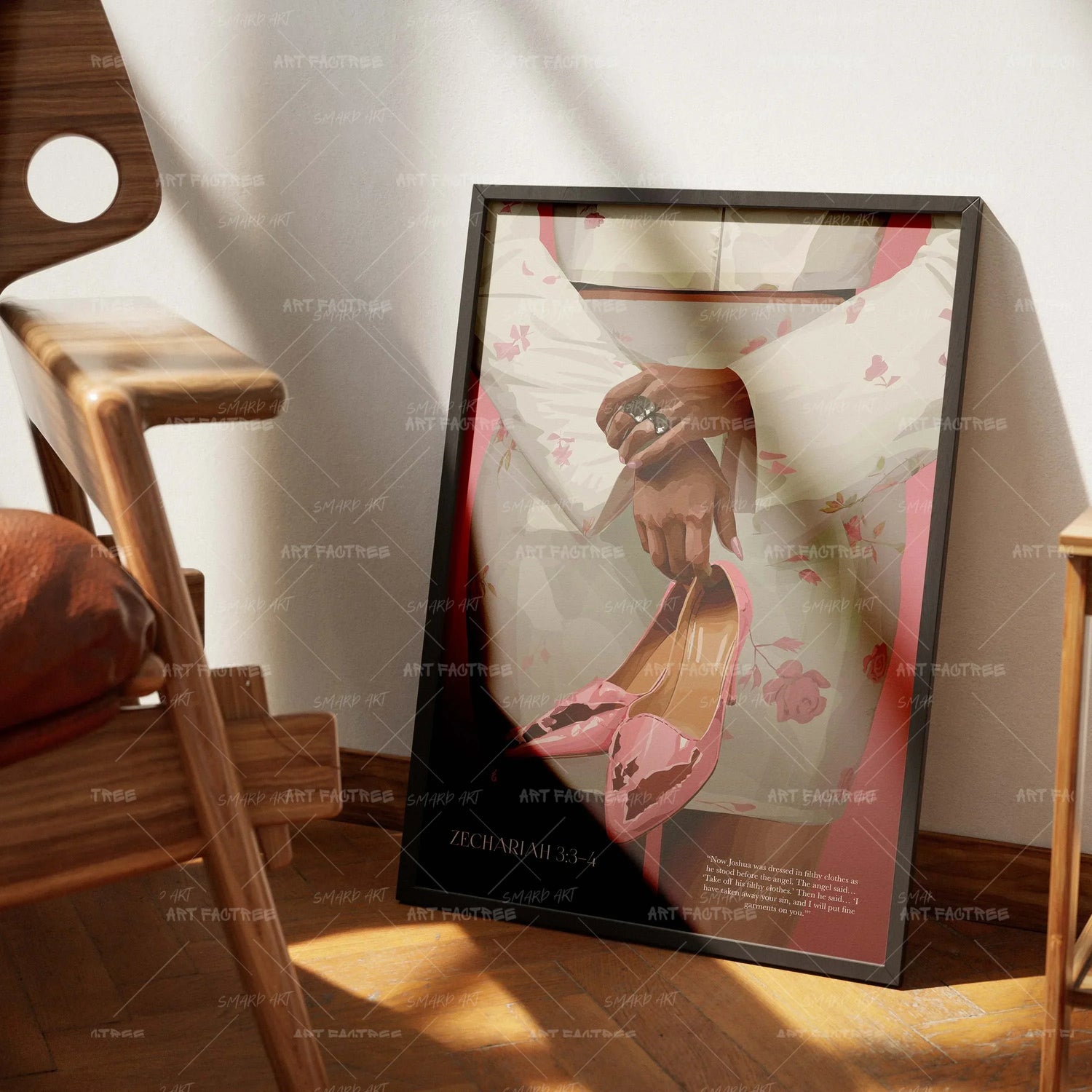
Why Wall Art Feels Hard
Wall art seems simple — just hang a piece and enjoy it, right? But anyone who’s tried quickly discovers that it’s not that easy. Suddenly, questions pop up:
- Should it be centered on the wall or above furniture?
- What size is appropriate?
- Should I match it with colors or contrast completely?
These are not random worries. They’re the result of unspoken rules designers follow instinctively, yet rarely explain to homeowners. Most people end up guessing — or buying pieces they don’t truly love — because these principles remain hidden.
At Smard.art, we want to demystify wall art, so your home feels intentional and confident.
Rule 1: Scale Matters More Than You Think
Size isn’t just aesthetic; it communicates confidence. A piece that’s too small can look timid, while a piece that’s too large can overwhelm a room.
-
Above furniture: A common guideline is wall art should occupy 60–75% of the furniture width. This creates balance without dominance.
-
Standalone pieces: Consider the wall as your canvas. Taller walls often require larger, vertical pieces; wide walls benefit from horizontal compositions.
Black wall art works exceptionally well in large-scale formats. Its bold contrast creates visual weight and anchors the room instantly.
Rule 2: Placement Isn’t Arbitrary
Centering isn’t always the answer. Designers consider eye level, room function, and natural sightlines.
-
Eye level: Typically around 57–60 inches from the floor to the art center.
-
Function: In hallways, place art slightly higher to accommodate movement; in living rooms, align with seating lines.
-
Sightlines: Notice where your eyes land when you enter a room. Wall art should guide attention naturally.
These subtle adjustments create harmony without anyone realizing why the room feels right.
Rule 3: One Strong Piece Often Beats Many Weak Ones
Gallery walls are trendy, but clutter can dilute impact. One statement piece commands attention, communicates confidence, and reduces visual noise.
- Smard.art collections provide curated statement pieces that act as focal anchors.
- Black wall art, in particular, can dominate a wall without overwhelming the room — creating a powerful visual pause.
Less can often be more — especially if the goal is emotional and aesthetic clarity.
Rule 4: Consider Color and Contrast
Art interacts with surroundings. Designers think about color in relation to walls, furniture, and natural light.
- Contrast: Bold black wall art pops against light walls.
- Harmony: Complementary colors enhance mood and cohesion.
- Accent colors: Use one color from the art as a subtle recurring accent elsewhere in the room.
These choices are what make a room feel intentional instead of haphazard.

Rule 5: Style Consistency vs. Personal Expression
Many homeowners fear committing to a style. Designers know that consistency matters, but so does personal expression.
- Choose art that resonates with your taste first.
- Ensure it harmonizes with furniture, lighting, and room function.
- Don’t overthink trends — timeless pieces create longevity.
Smard.art emphasizes both style and personal connection. You can mix abstract, figurative, and black wall art while maintaining cohesion across rooms.
Rule 6: Trust Your Instincts
Despite all these “rules,” the most important is intuition. If a piece makes you feel alive, it’s probably right. Rules guide, but instinct personalizes.
Every home is unique. A rule followed too rigidly can strip a room of personality. The best spaces balance guidelines with emotional resonance.
Conclusion: Intentional Walls, Confident Homes
The unspoken rules of wall art are less about perfection and more about confidence and intentionality. Once you understand scale, placement, color, and emotional resonance, decorating becomes empowering rather than stressful.
Smard.art makes this process seamless by offering curated wall art — from bold black wall art to versatile modern collections — that lets your home speak confidently without guesswork.
Key takeaway: Understanding the rules frees you to break them — intentionally.

Leave a comment
This site is protected by hCaptcha and the hCaptcha Privacy Policy and Terms of Service apply.