


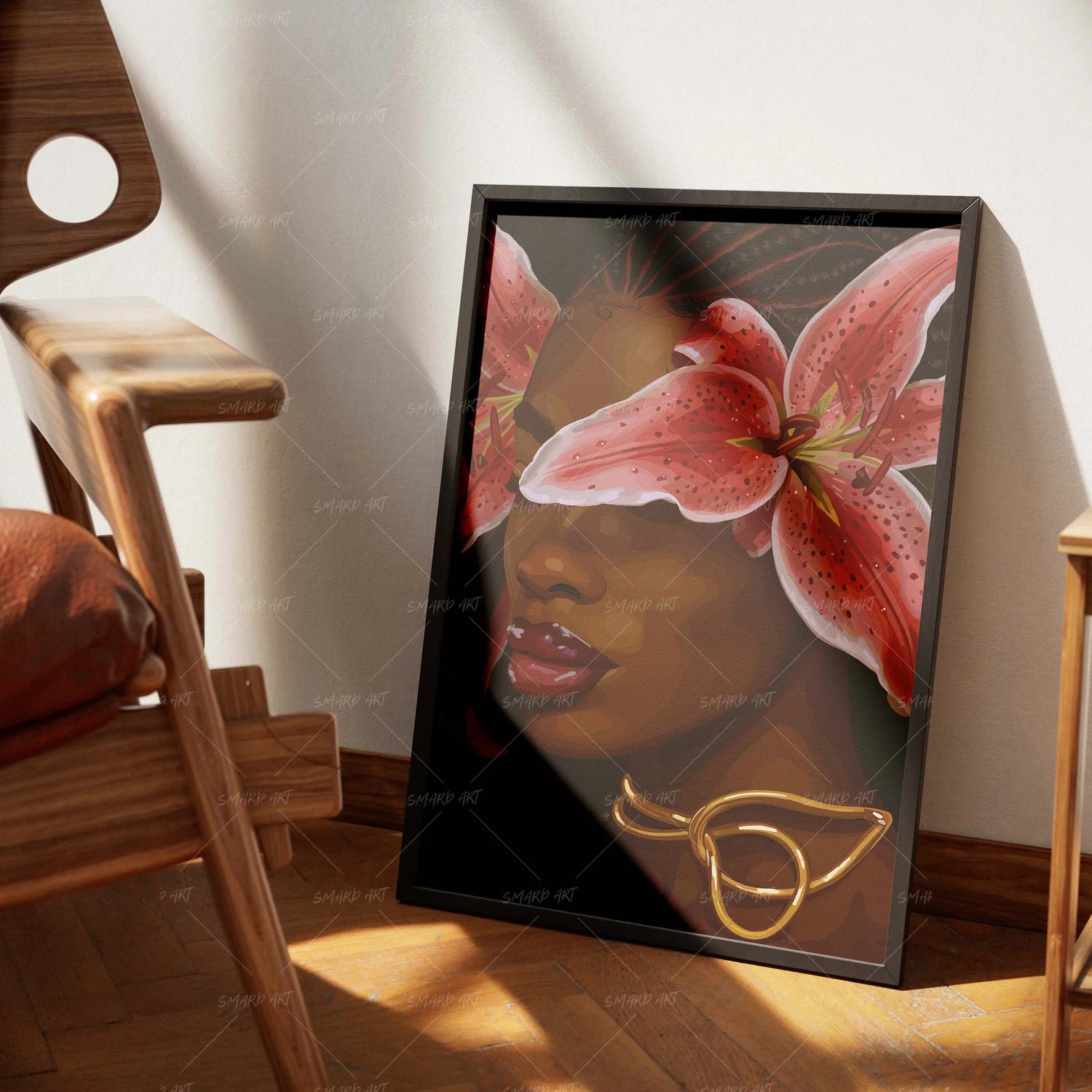
Most people think wall art and lighting are separate design elements. In reality, they are deeply connected. Lighting doesn’t just illuminate art — it changes how art is perceived emotionally and visually.
Understanding this relationship is one of the most powerful design skills you can develop.
1. Light Determines Mood Before Art Does
Lighting sets the emotional baseline of a room. Wall art then builds upon it.
Soft light + black wall art = calm and grounding
Bright light + structured art = clarity and energy
Smard.art designs pieces to interact with both natural and artificial light.
2. Direction Matters
Front lighting flattens art. Angled lighting reveals depth and texture.
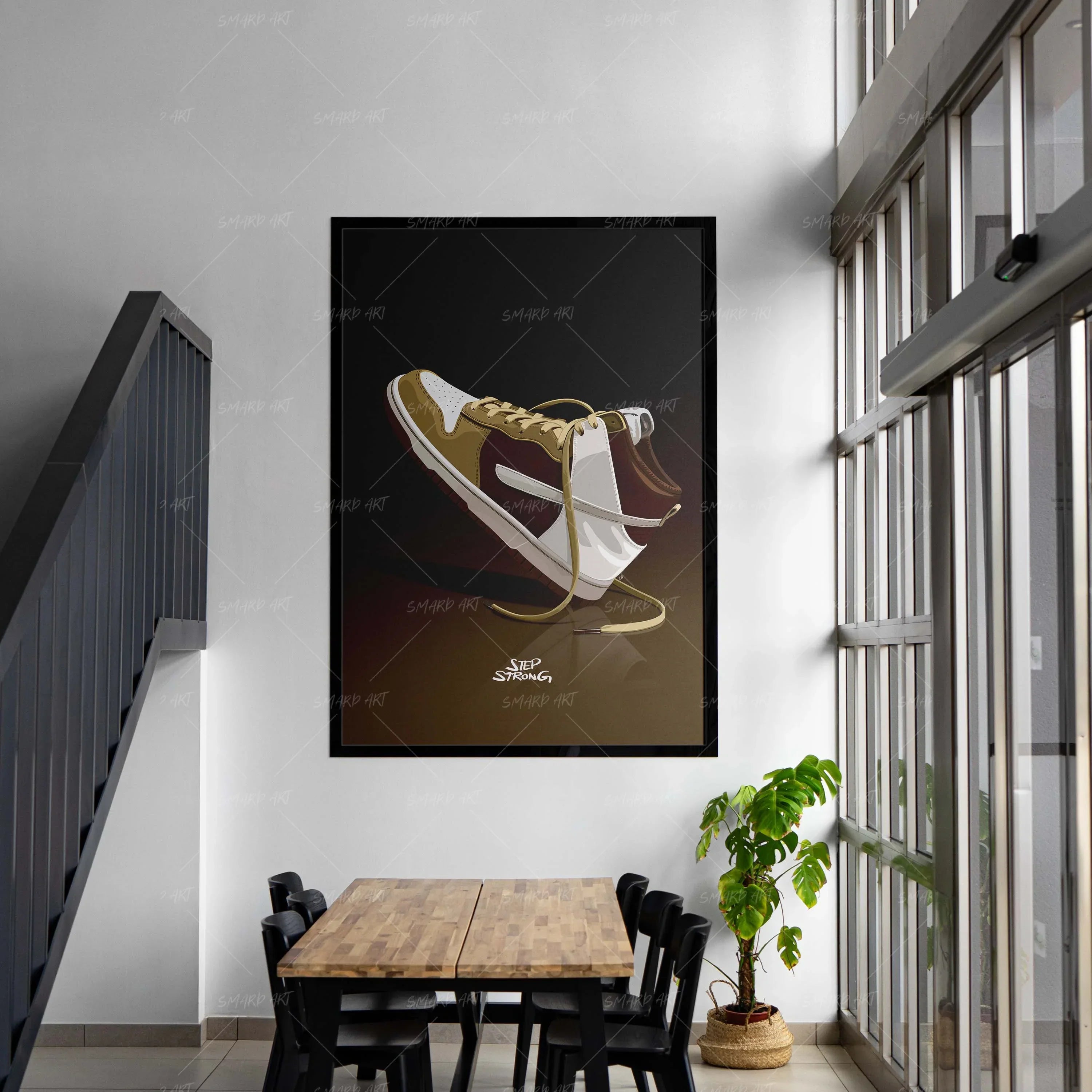
Spotlights and wall washers dramatically enhance black wall art by emphasizing contrast.
3. Natural Light Changes Art Throughout the Day
Morning light, afternoon glare, and evening warmth all alter color perception.
High-quality wall art adapts — poor-quality prints do not.
4. Contrast and Reflection
Black wall art absorbs light, preventing glare and maintaining clarity under strong lighting.
5. Room Function and Lighting Strategy
- Bedrooms: soft, indirect lighting
- Living rooms: layered lighting
- Offices: focused, neutral lighting
Each lighting choice changes how wall art performs emotionally.
6. Common Lighting Mistakes
- Overexposure
- Harsh direct light
- Ignoring shadow patterns
These reduce the impact of even the best wall art.
Final Thought
Wall art does not exist in isolation. It lives in light. With thoughtful lighting and carefully chosen pieces from Smard.art, your walls become dynamic, emotional, and visually alive.


Leave a comment
This site is protected by hCaptcha and the hCaptcha Privacy Policy and Terms of Service apply.