


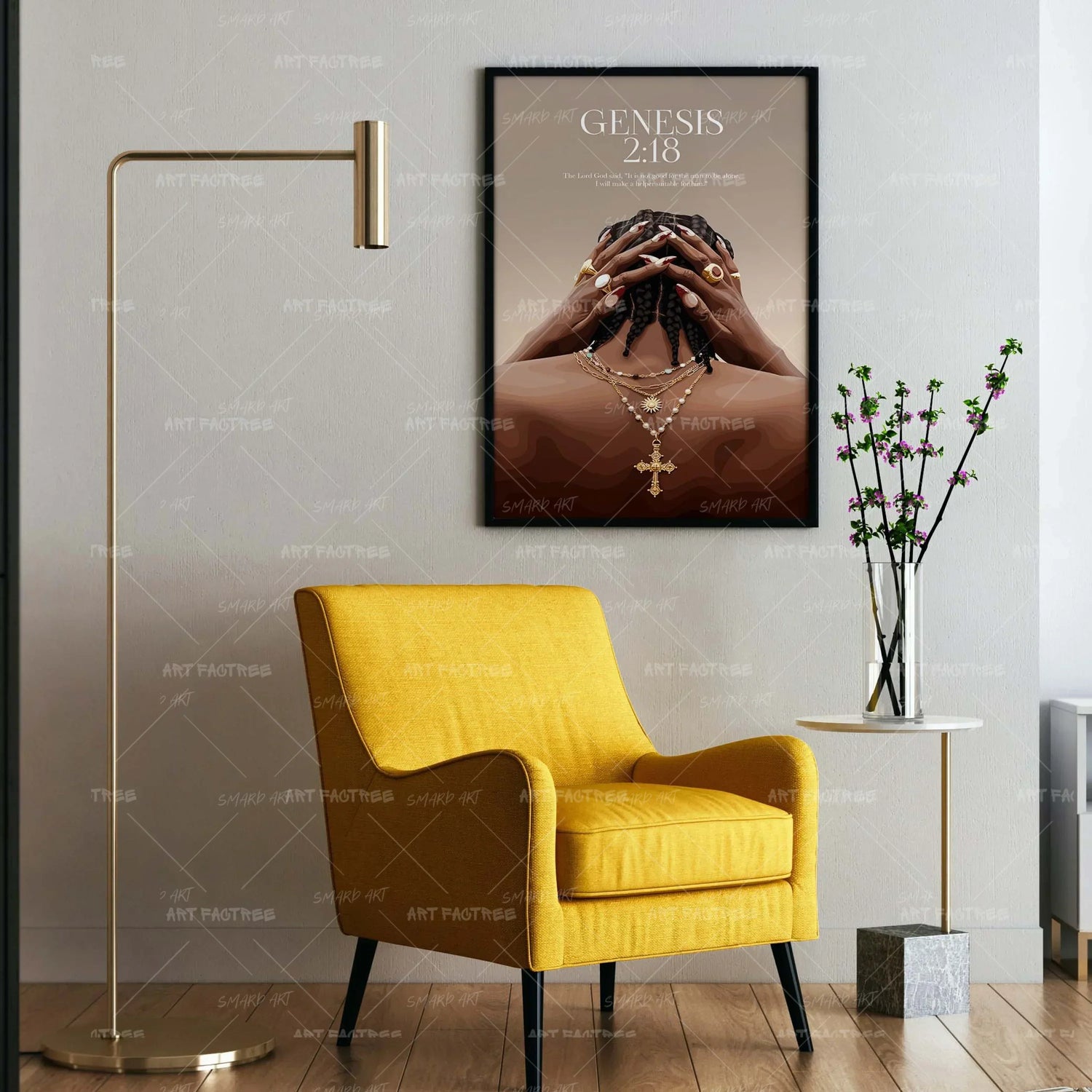
Walls do more than hold up ceilings — they guide how we move. And wall art quietly participates in that guidance.
Most people think architecture shapes movement. In reality, visual cues often matter just as much. Wall art acts as invisible architecture, influencing how people enter, pause, and pass through a space.
Movement Begins With Vision
Before the body moves, the eyes decide where to go.
Wall art:
- Pulls attention
- Signals importance
- Creates direction
Smard.art designs wall art with this visual leadership in mind.
How Wall Art Directs Flow
Placement matters more than people realize:
- Art at eye level encourages pause
- Vertical art pulls movement upward
- Horizontal art widens perception
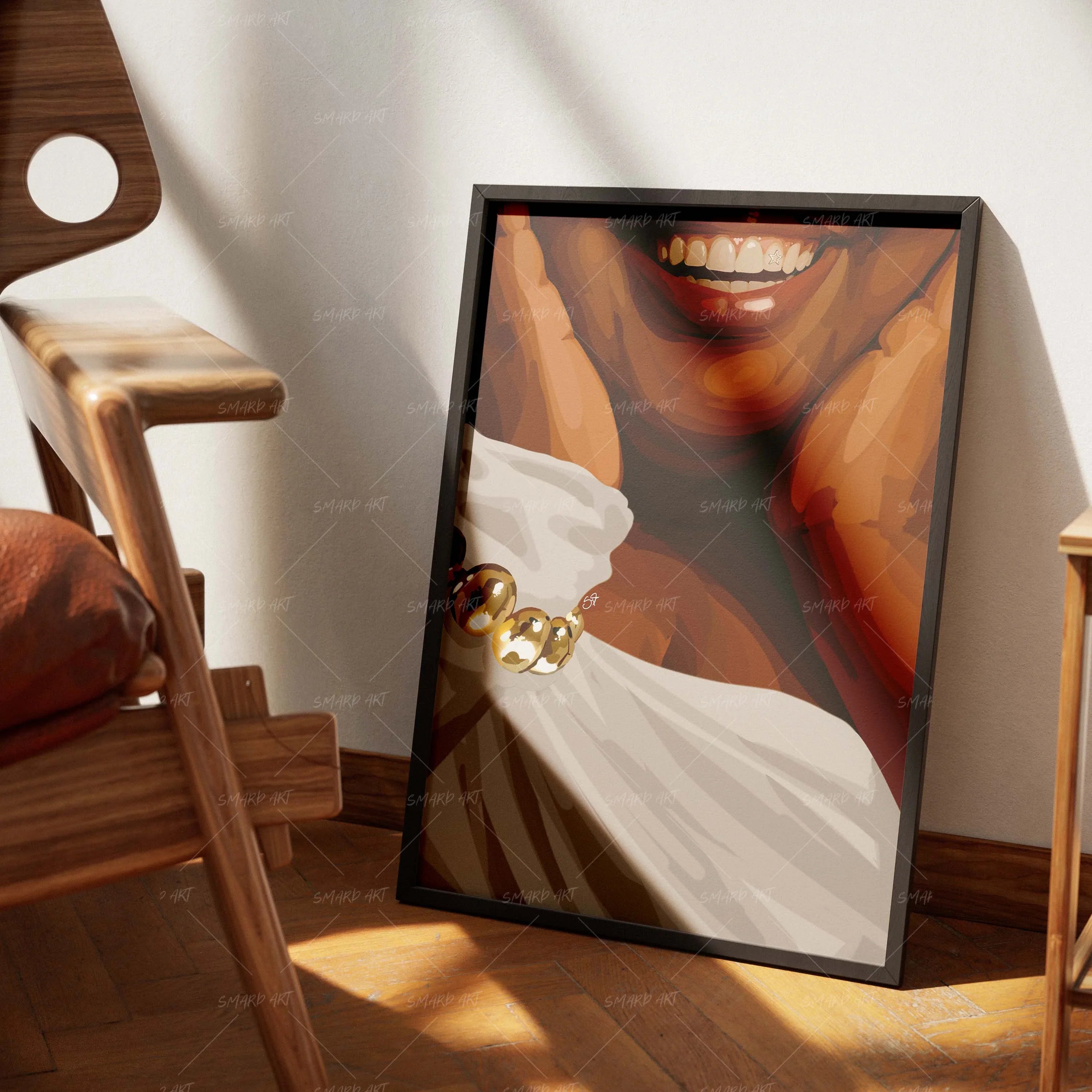
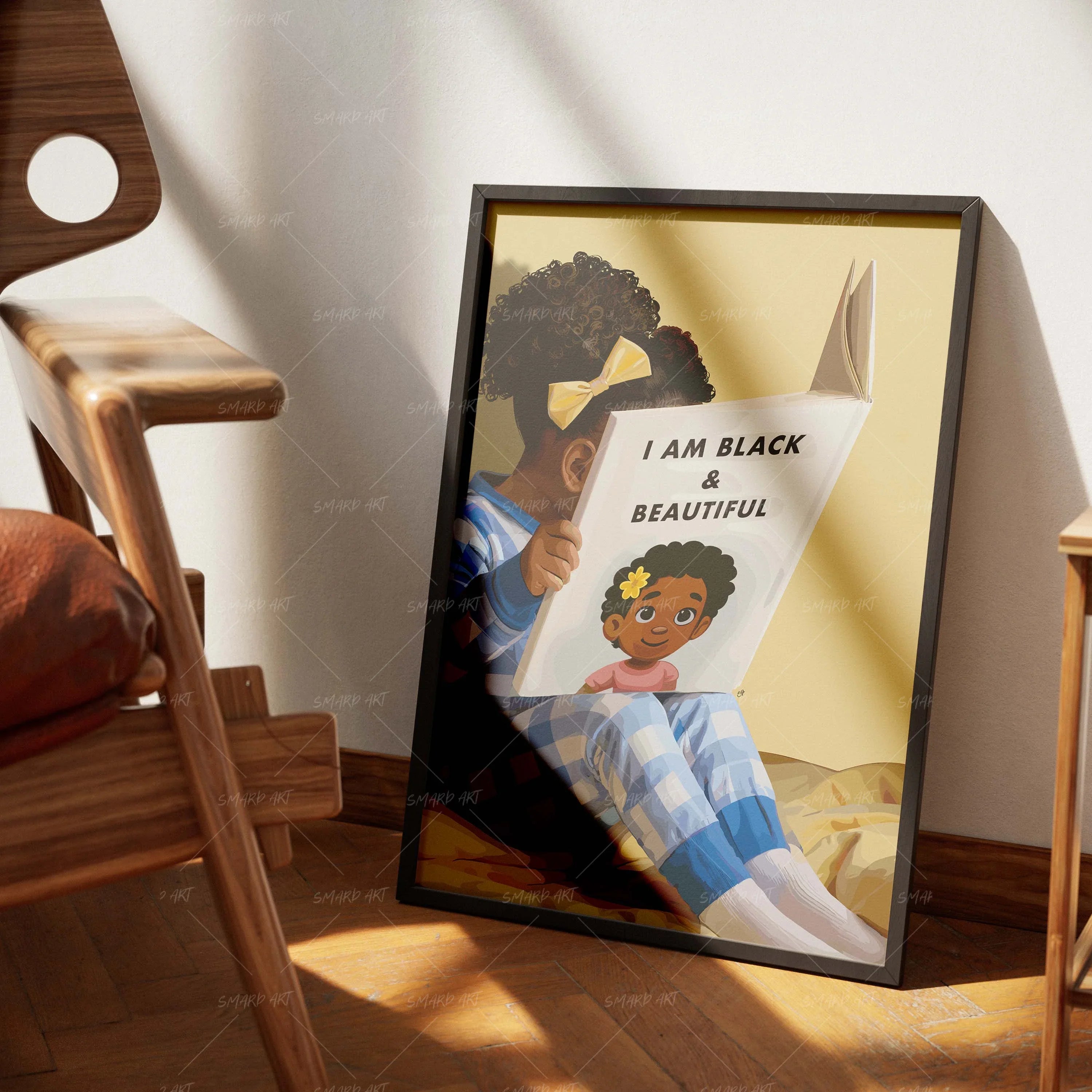
Black wall art is especially effective because it commands attention without distraction.
Corridors, Transitions, and Thresholds
Hallways and entryways often feel neglected. Strategic wall art:
- Slows rushed movement
- Creates anticipation
- Adds rhythm
Smard.art’s black wall art works well in transitional spaces because it defines purpose.

Creating Visual Pathways
Art can create invisible pathways:
- Sequential pieces guide movement
- Focal points invite approach
- Anchors create destinations
Black wall art acts as a destination point, giving movement meaning.
Why Poor Placement Creates Discomfort
Misplaced art can:
- Interrupt natural flow
- Create confusion
- Make rooms feel awkward
Intentional placement restores harmony.
Using Black Wall Art as Structural Support
Black wall art behaves like a beam in visual architecture:
- It holds space together
- Supports surrounding elements
- Defines structure
Smard.art pieces are designed with this structural awareness.
Designing With Movement in Mind
- Observe how people naturally move
- Place wall art to support that path
- Use black wall art as visual anchors
- Avoid clutter near movement zones
Final Thought
Wall art doesn’t just decorate walls — it shapes behavior.
When chosen and placed intentionally, wall art becomes hidden architecture. Black wall art from Smard.art guides movement subtly, turning rooms into spaces that feel intuitive, comfortable, and alive.

Leave a comment
This site is protected by hCaptcha and the hCaptcha Privacy Policy and Terms of Service apply.