


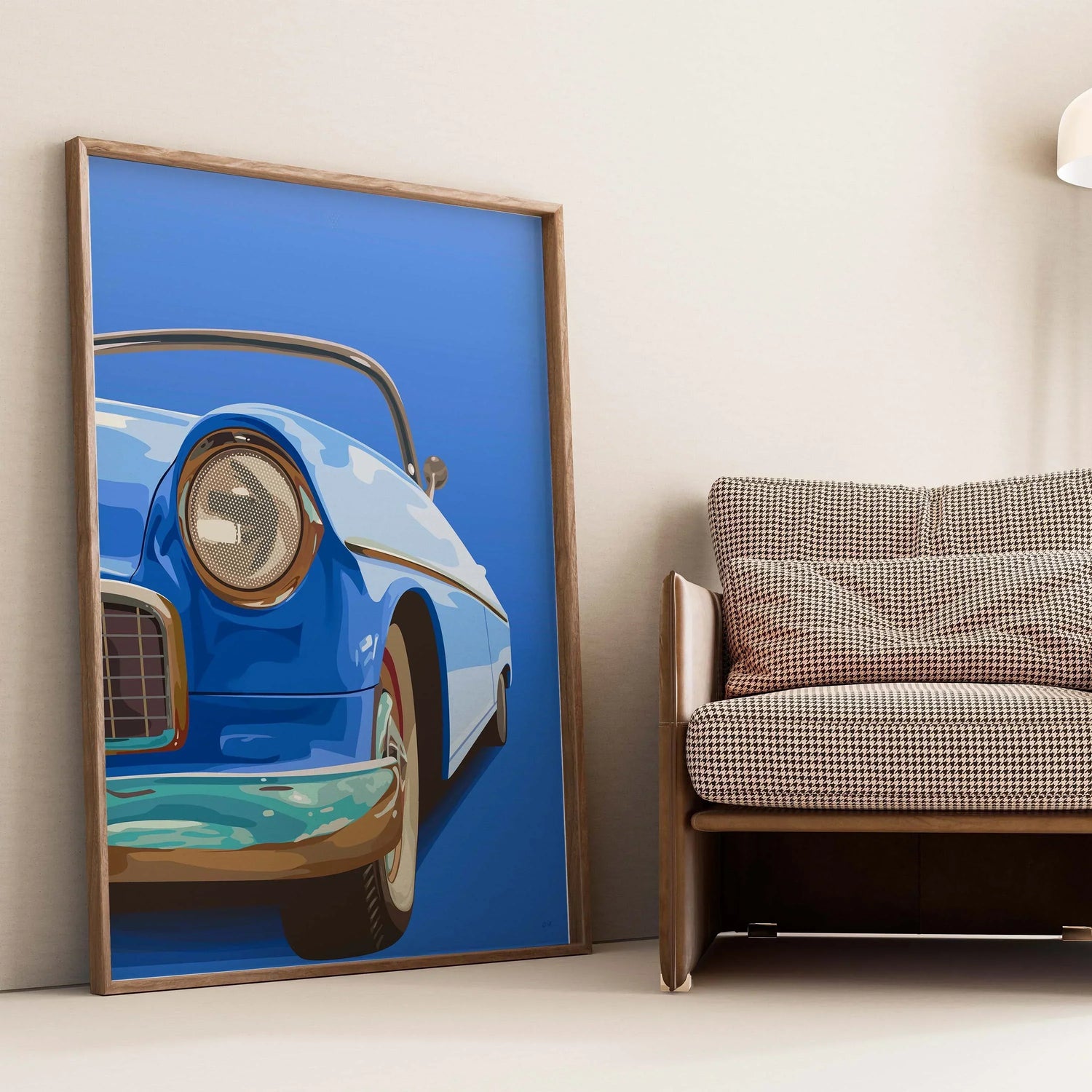
Empty walls are rarely neutral. While they may seem harmless or unfinished, they quietly influence how a space feels—and how you feel inside it.
People often describe rooms with blank walls as “cold,” “unfinished,” or “temporary,” even when they can’t pinpoint why. That’s because humans are wired to respond emotionally to their environment. Walls are not just structural boundaries; they are visual and psychological surfaces.
At Smard.art, we think of wall art as emotional architecture.
Why Blank Walls Feel Heavy
An empty wall creates visual silence. While silence can be peaceful in some contexts, in living spaces it often feels unresolved. The eye searches for meaning and finds none.
This creates:
- Subtle restlessness
- A sense of incompleteness
- Emotional flatness
It’s the same reason hotel rooms feel different from homes—even nice ones.
How Wall Art Changes Emotional Energy
Wall art gives the brain something to engage with. Color, form, subject, and scale all interact with mood.
For example:
- Soft tones calm
- Bold shapes energize
- Portraits create connection
- Abstract art stimulates imagination
That’s why adding even one piece of wall art from Smard.art can change how a room feels, not just how it looks.

The Comfort Factor
Homes with art feel warmer. More personal. More human. Art tells the subconscious, “Someone lives here. Someone chose this.”
That sense of intention creates comfort.
Why People Delay Art
Many people wait because they fear choosing the “wrong” piece. But empty walls rarely feel better than imperfect art. Growth and personality come from expression, not perfection.
Final Thought
Empty walls carry emotional weight—even if you don’t notice it consciously. Wall art lifts that weight, giving your home energy, warmth, and identity.
Smard.art exists to help you turn silence into expression.


Leave a comment
This site is protected by hCaptcha and the hCaptcha Privacy Policy and Terms of Service apply.