


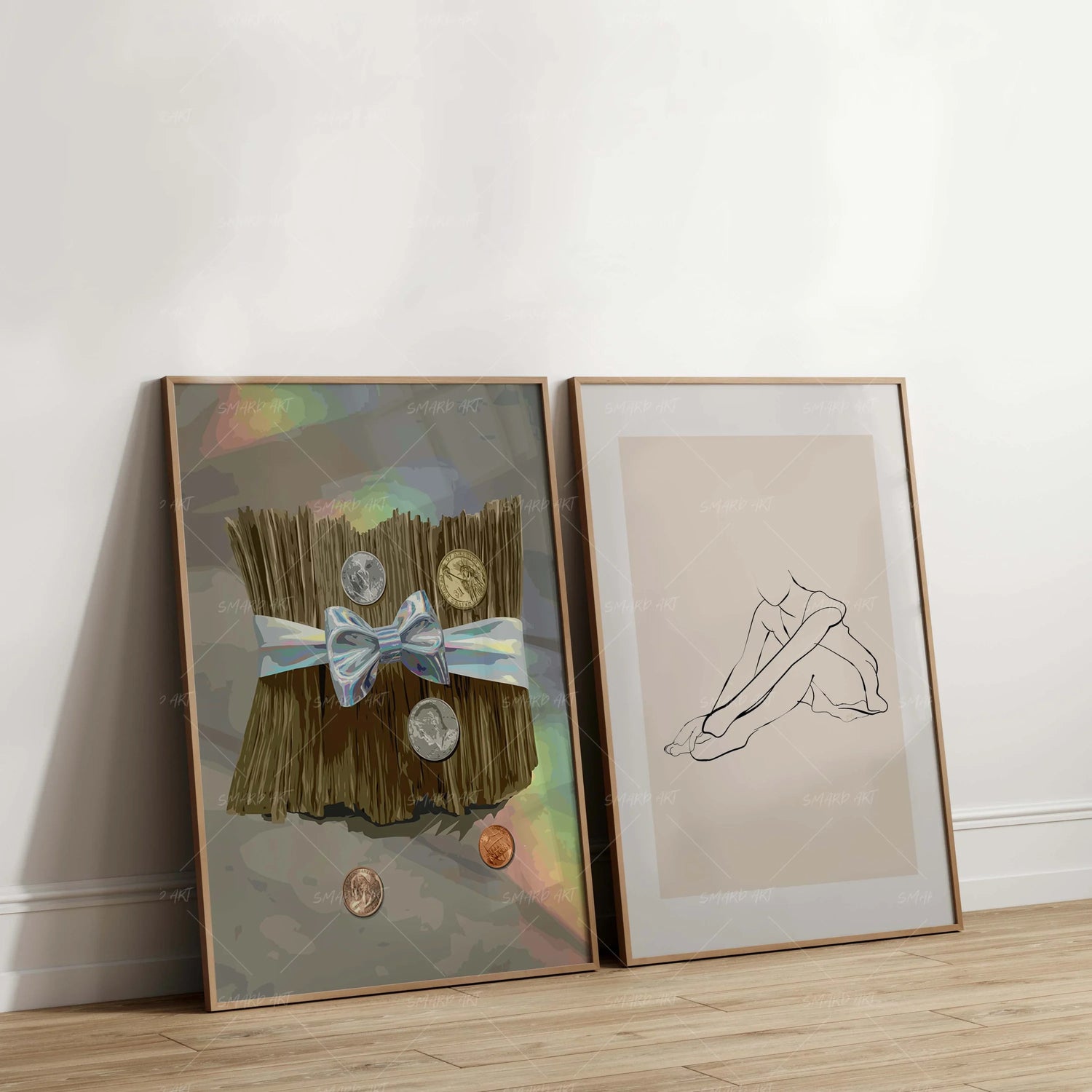
Many homes are decorated. Far fewer are curated.
The difference isn’t money or taste—it’s intention.
Decorating is about filling space. Curating is about shaping experience. And wall art is often the line between the two.
What Decorating Looks Like
Decorated homes follow rules:
-
Matching colors
-
Symmetry
-
Popular styles
-
Safe choices
They look pleasant, but rarely memorable.
Decorating answers the question: “Does this look okay?”
What Curating Feels Like
Curated homes tell a story. Every choice feels deliberate. Nothing feels random, even when styles mix.
Curating answers a different question: “Does this belong here?”
Wall art plays a central role because it carries meaning, not just color.
Why Art Is the Curator’s Tool
Furniture supports function. Art supports narrative.
A curated space uses wall art to:
-
Establish mood
-
Create focal points
-
Guide attention
-
Express personality
This is why galleries feel intentional even with minimal furniture.

Curating Doesn’t Mean Expensive
Curating means fewer, better choices—not more costly ones. One strong piece of wall art often does more than ten decorative accessories.
Smard.art focuses on art that holds its own—pieces that don’t need explaining.
Letting Go of Perfection
Curated homes are not flawless. They’re expressive. They allow contrast, emotion, and individuality.
Art doesn’t have to match everything. It has to mean something.
From Decor to Identity
Once you start curating, your home stops chasing trends. It starts reflecting you.
Wall art becomes less about filling walls and more about defining space.
Smard.art’s Philosophy
We design for people who want their homes to feel intentional—not copied. Our collections are meant to help people move from decorating to curating, one wall at a time.
Final Thought
Decorating makes a space look finished. Curating makes it feel complete. And wall art is where that shift begins.

Leave a comment
This site is protected by hCaptcha and the hCaptcha Privacy Policy and Terms of Service apply.