


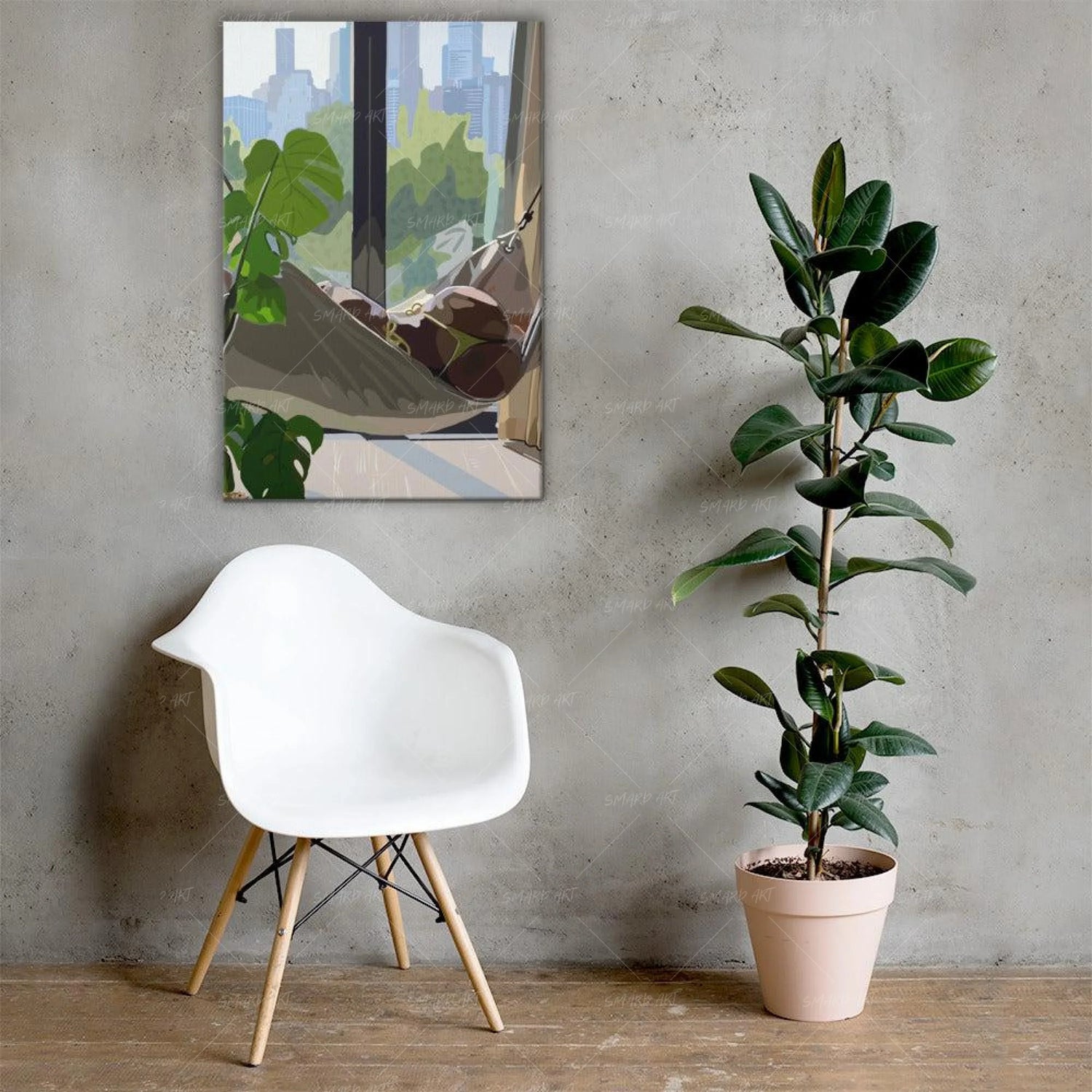
Many homes are decorated. Far fewer are designed.
At first glance, the difference seems subtle — a sofa here, a rug there, a few framed pieces on the wall. But emotionally, the difference is enormous. Decorating focuses on how things look. Designing an experience focuses on how a space feels, flows, and behaves over time.
Wall art is often the dividing line between the two.
What Decorating Actually Does
Decorating is additive. It asks:
- What should I put here?
- What looks good together?
- What fills the space?
Decorating works on the surface level. It produces visually pleasant results, but often stops short of emotional resonance. This is why a room can look “nice” yet still feel forgettable.
Furniture and accessories do most of the work in decoration. Walls are treated as backgrounds.
What Designing an Experience Does
Designing an experience is intentional. It asks:
- How should this room make someone feel?
- Where should attention land first?
- How should energy move through the space?
This approach considers psychology, movement, and memory. Walls become active participants, not passive surfaces.
Wall art is essential here because it controls:
- Visual hierarchy
- Emotional tone
- Spatial rhythm
Smard.art creates wall art with this experiential mindset — art that doesn’t just decorate, but directs perception.
Why Walls Define the Experience More Than Furniture
Furniture occupies space physically. Wall art occupies space emotionally.
When walls are ignored:
- Rooms feel incomplete
- Furniture feels disconnected
- The eye has no guidance
Wall art connects everything. It gives the room a center of gravity.
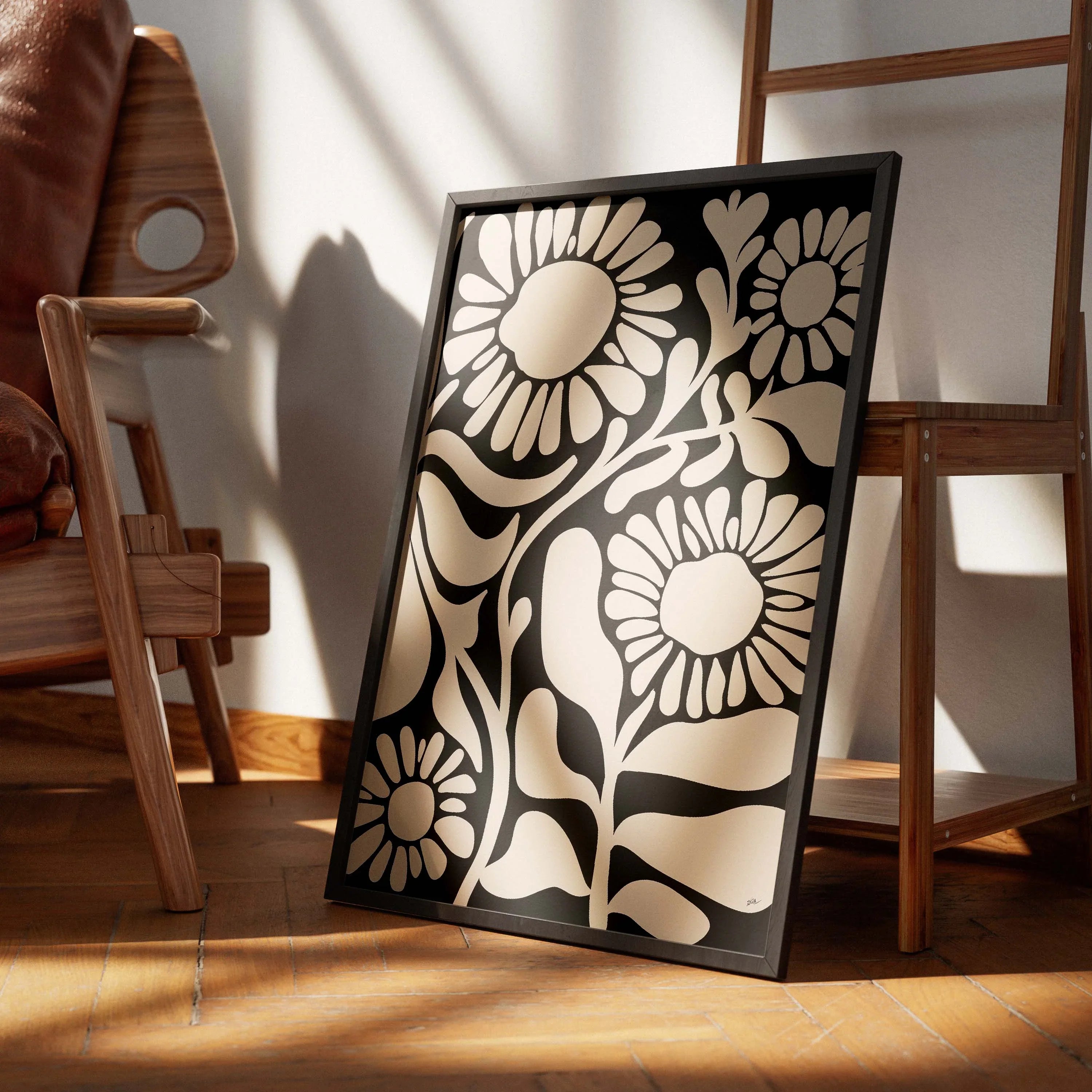
Black wall art, in particular, provides structure. It frames the experience without overwhelming it.

Decorated Rooms vs Designed Rooms (In Practice)
A decorated room:
- Looks good in photos
- Feels neutral in daily life
- Doesn’t change how you behave
A designed room:
- Feels calm, focused, or energized
- Influences how long you stay
- Becomes memorable
The difference is intention.
How Wall Art Shapes Emotional Flow
When you enter a room, your eye instinctively looks for meaning.
Wall art answers that search by:
- Establishing focal points
- Defining zones
- Creating emotional cues
Smard.art’s black wall art excels here because it brings clarity without noise. It grounds the space so other elements can breathe.
Why Experience Matters More Than Style
Trends fade. Experiences last.
A room designed around experience:
- Adapts to changing furniture
- Survives trend cycles
- Feels relevant longer
Black wall art supports this longevity because it is visually stable and emotionally flexible.
Designing With Intention: A Simple Framework
- Decide how you want the room to feel
- Choose wall art that supports that feeling
- Use black wall art to anchor the experience
- Let furniture support the art — not compete with it
Smard.art builds collections meant to work this way — art first, décor second.
Final Thought
Decorating fills a space.
Designing an experience completes it.
Wall art is the difference. When chosen intentionally — especially grounding black wall art from Smard.art — your home stops being a collection of objects and becomes a place that shapes how you feel, move, and live every day.

Leave a comment
This site is protected by hCaptcha and the hCaptcha Privacy Policy and Terms of Service apply.