


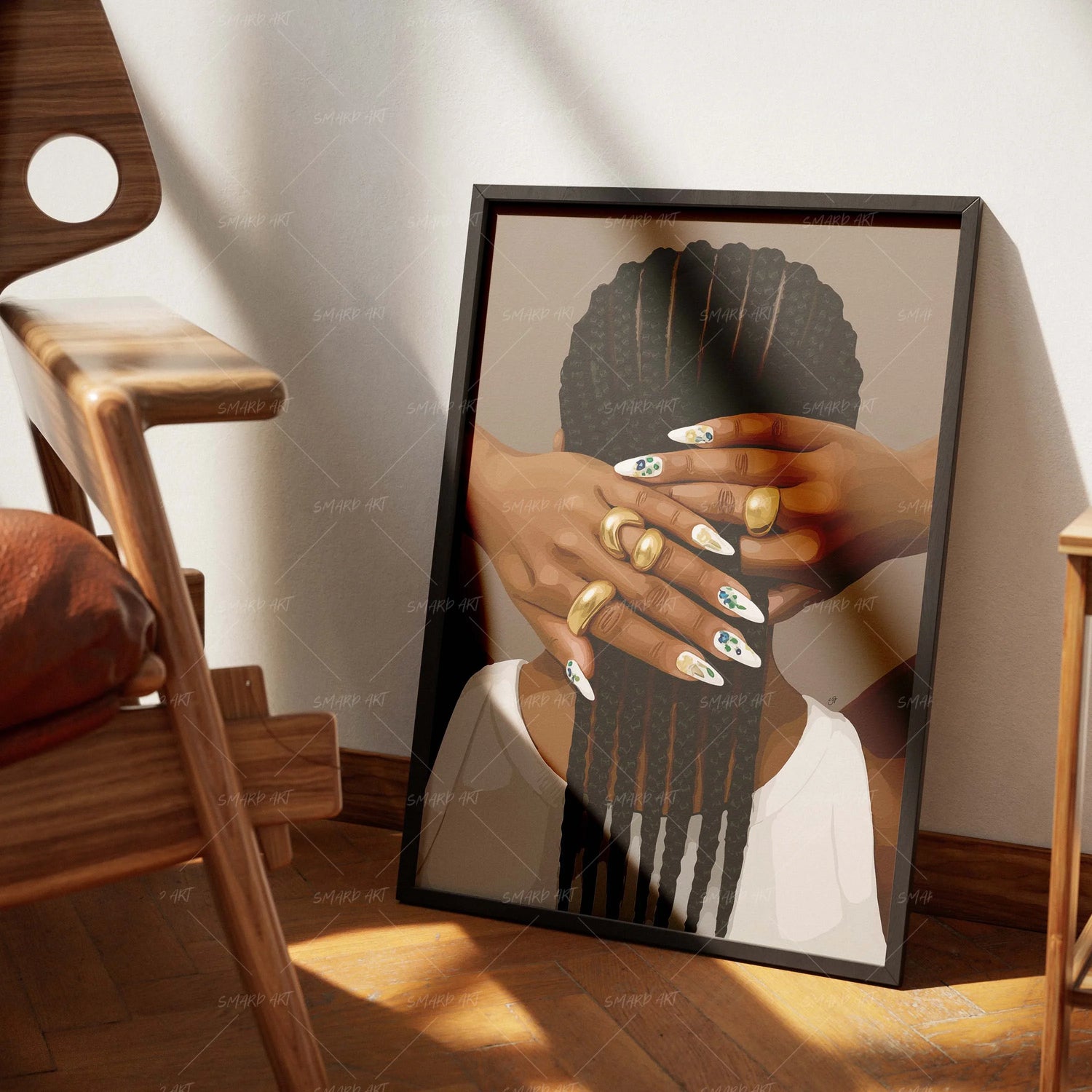
Texture is one of the easiest ways to upgrade a wall from flat to fascinating. A mix of finishes — matte prints, textured canvases, metal art, and fabric pieces — adds dimension, light play, and tactile intrigue. At Smard.art, we embrace texture as an essential design tool. Here’s how to use it well.
Why texture matters
Texture interacts with light and shadow, creating visual interest even when colors are subdued. It also invites closer inspection — people often slow down to look when a surface suggests tactility.
Types of textures to mix
-
Canvas: Soft sheen, natural weave, great for painterly or photographic works.
-
Matte prints: Clean and modern, ideal for graphic or typographic art.
-
Metal: Reflective or brushed metal pieces add an industrial or contemporary edge.
-
Wood: Rustic warmth and organic grain.
-
Textiles: Tapestry, embroidered, or woven art introduces softness and warmth.

How to mix textures successfully
-
Start with a focal texture: Pick a main piece that sets the tone — a large canvas or a sculptural wood panel.
-
Contrast with opposite textures: Pair a glossy metal print with matte frames, or a soft textile with framed photography. Contrast creates balance.
-
Limit your palette: Texture is powerful — keep colors coordinated so the surfaces, not competing colors, create interest.
-
Vary scale: Pair big textured pieces with smaller, simpler prints to avoid overwhelm.
-
Consider depth: Some textured works (metal reliefs, sculptural panels) project from the wall. These create intentional shadows — use them where lighting accentuates the effect.
Where texture works best
Texture is especially effective in living rooms, entryways, and dining spaces — places where people gather and notice detail. In bedrooms, softer textile art can amplify comfort.
Practical styling with Smard.art pieces
If you have a large Smard.art canvas as your centerpiece, accent it with a small metal geometric piece and a woven textile below for warmth. Or create a trio of frames: matte print, thin wood frame, and a small sculptural accent.
Final thought
Mixing texture is a high-impact, low-effort strategy to make walls feel curated and tactile. When done thoughtfully, textured layers turn a collection of prints into a cohesive, museum-quality composition.

Leave a comment
This site is protected by hCaptcha and the hCaptcha Privacy Policy and Terms of Service apply.