


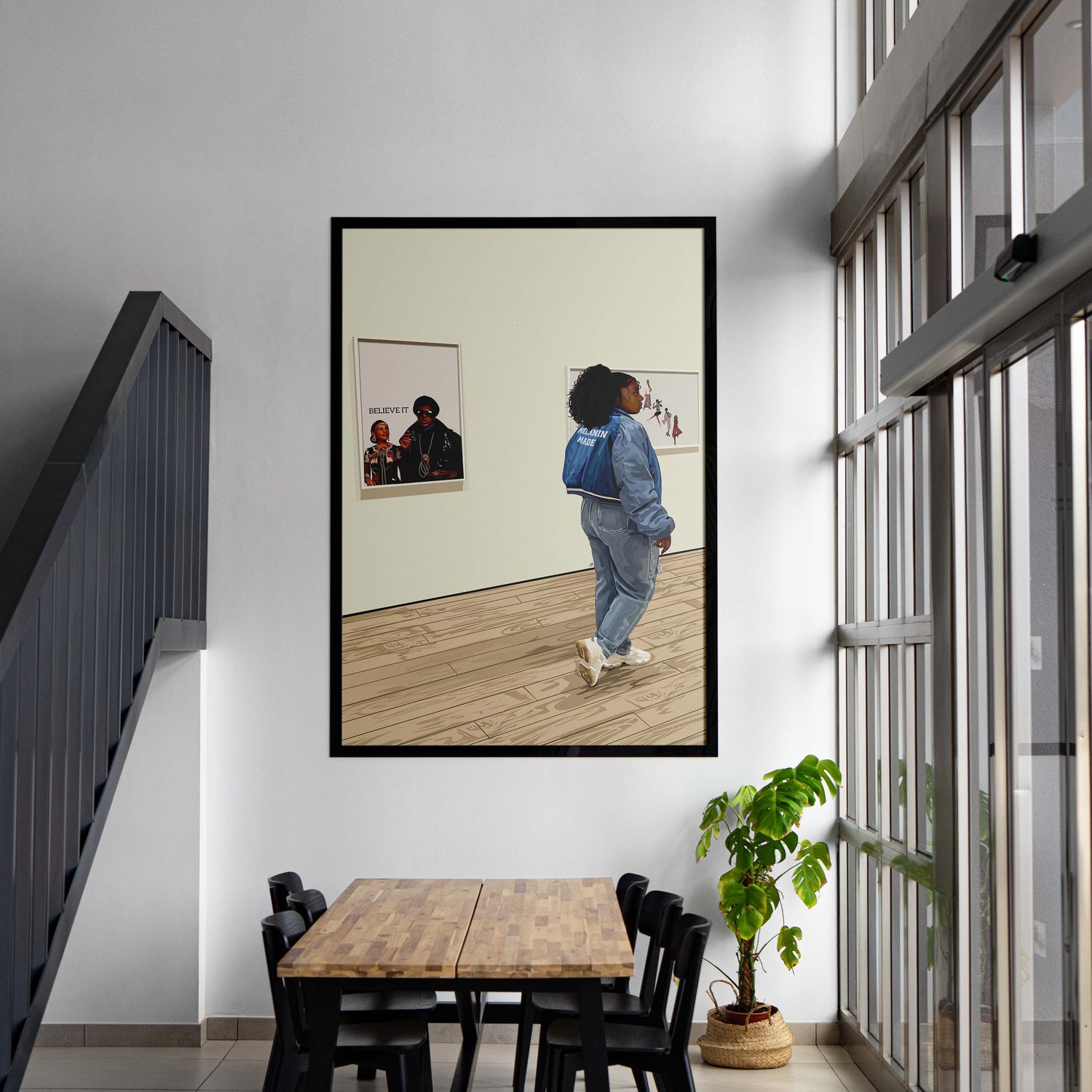
Most people decorate backwards. They buy random items they like and then try forcing them into a room that doesn’t need them. But professional designers think differently—they always begin by identifying what the room is missing, not what the person “likes.”
At Smard.art, this is one of our core philosophies: your wall art should solve a visual problem. Here’s the exact design logic professionals use—and how you can apply it room by room.
1. Identify the Room’s Weakness
Before choosing art, ask:
-
Is the room too empty?
-
Is the room too dark?
-
Is the room too flat?
-
Is the room too loud?
-
Is the room too cold?
Each weakness tells you exactly what type of wall art to choose.
2. Match the Solution to the Problem
If the room feels empty,
→ Choose large-scale pieces or tall portrait formats.
Oversized wall art instantly fills a room with presence.
If the room feels dark,
→ Choose bright backgrounds or lighter color palettes.
Contrast is key.
If the room feels flat,
→ Choose textured or layered artwork.
Think shadows, depth, gradients.
If the room feels chaotic,
→ Choose clean, minimal, or monotone pieces.
They create balance and calm visually.
If the room feels cold,
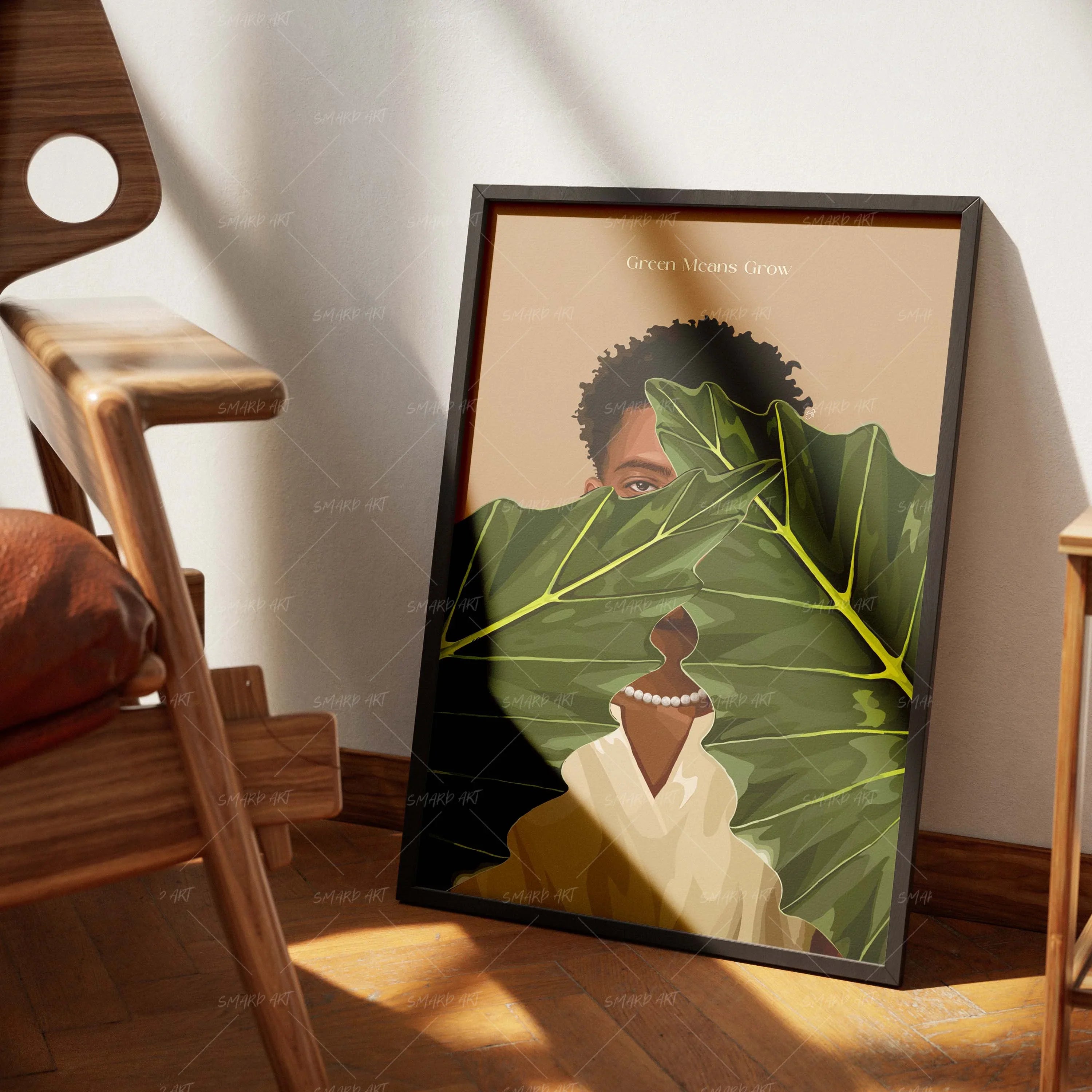
→ Choose warm tones or figurative subjects.
Warm art softens the atmosphere.
3. Let the Walls Do the Styling
Designers often say: “Fix the walls, and everything else aligns.”
That’s because wall art creates the theme, energy, and color direction of a room. Once you place the right pieces, the furniture finally makes sense.
This is why Smard.art categorizes wall art by both style and mood—so you can match art to the specific problem your home is trying to solve.

4. Use the 1-Room, 1-Mood Principle
A major mistake is mixing too many moods in one room.
For example:
- Calm art + bold art = emotional confusion
- Warm tones + cold tones = visual conflict
Decide on one mood—warm, calm, bold, vibrant, mysterious, etc.—and stay consistent.
5. Anchor Each Space With One Strong Piece
Every room needs an anchor: the piece people notice first.
Whether it’s:
- A large portrait
- An abstract
- A horizontal canvas above the sofa
- Or a bold statement piece
Your anchor artwork sets the tone. Everything else plays supporting roles.
Final Word
Your home isn’t asking for random decor—it’s asking for balance. Once you understand what your room is missing, choosing art becomes simple, logical, and deeply satisfying.
Smard.art helps you find pieces that don’t just look good—they solve design problems.

Leave a comment
This site is protected by hCaptcha and the hCaptcha Privacy Policy and Terms of Service apply.