


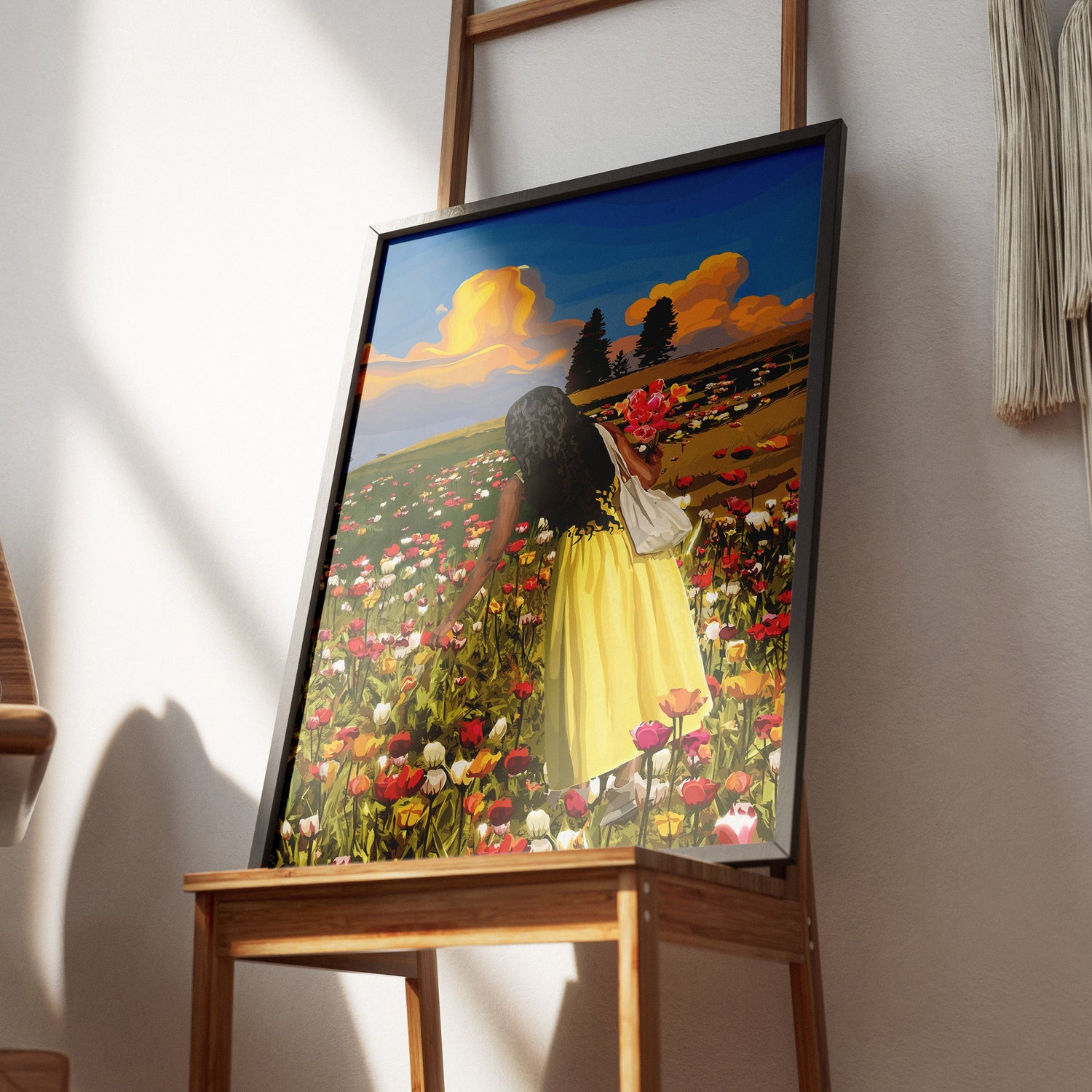
Walk through almost any beautifully designed home, and you'll notice that artwork is everywhere—but not everywhere.
Some rooms feature bold statement pieces.
Others have carefully curated gallery walls.
And some walls are left intentionally empty.
This often surprises homeowners.
Many people assume every room should have artwork in order to feel complete.
Others avoid wall art altogether because they worry about making the wrong choice.
The truth lies somewhere in the middle.
Great interior design isn't about following strict decorating rules.
It's about understanding when artwork adds value—and when simplicity creates an even stronger impact.
If you've ever wondered whether every room needs wall art, here's what interior designers typically consider before hanging the first frame.
The Quick Answer
No.
Not every room needs wall art.
The best-designed homes use artwork intentionally, placing it where it strengthens the room while allowing other spaces to breathe.
Quality and placement matter far more than quantity.
Think About the Purpose of Each Room
Every room serves a different purpose.
A living room is designed for gathering.
A bedroom encourages rest.
A home office supports focus.
An entryway welcomes guests.
Artwork should reinforce the purpose of the space instead of simply filling an empty wall.
When decoration supports function, rooms naturally feel more cohesive.
Rooms That Almost Always Benefit From Wall Art
Some spaces become noticeably warmer and more welcoming with thoughtfully chosen artwork.
These include:
Living Rooms
Living rooms are often the visual center of the home.
A large piece of Black wall art above the sofa or fireplace creates an immediate focal point while adding personality.
It's often the first decorative feature guests notice.

Bedrooms
Artwork above the bed helps anchor the room and creates a peaceful atmosphere.
Choose pieces that make the space feel calming rather than overly busy.
Entryways
Your entrance introduces your home.
One meaningful artwork immediately communicates warmth and personality while creating a memorable first impression.
Dining Rooms
Dining rooms often contain fewer decorative elements than living rooms.
Artwork helps complete the space while encouraging conversation during meals and gatherings.
Home Offices
A thoughtfully chosen artwork makes a workspace feel more inspiring and personal.
It also creates a polished background for video meetings.
Rooms That May Need Less Artwork
Not every space requires multiple decorative pieces.
Sometimes restraint produces a stronger result.
Bathrooms
A single small artwork is often enough.
The goal is to soften the room rather than overwhelm it.
Laundry Rooms
Artwork can certainly make laundry spaces more enjoyable, but it doesn't need to dominate the room.
One simple print or illustration often provides just the right amount of personality.
Utility Spaces
Storage rooms, pantries, and utility areas usually don't require extensive decorating.
If artwork is used, it should support the practical function of the space.
Empty Walls Aren't Always Bad
Many homeowners feel pressured to decorate every blank wall.
Professional designers often do the opposite.
Negative space gives the eye a place to rest.
It helps statement artwork stand out.
It creates balance throughout the home.
An intentionally empty wall is not unfinished.
It's part of the overall composition.
One Great Piece Beats Five Average Ones
Instead of asking whether every room needs artwork, ask whether each artwork deserves its place.
A single meaningful piece often contributes more to a home than several generic decorations.
Choose artwork because it tells your story—not simply because the wall is empty.
Think About Flow Between Rooms
Artwork should help your home feel connected.
That doesn't mean every room must have identical colors or styles.
Instead, look for common threads.
Perhaps each room features modern Black wall art.
Perhaps the artwork celebrates family, creativity, fashion, or everyday life.
Consistency creates flow while still allowing each room to have its own personality.
Let Architecture Play a Role
Sometimes the room itself becomes the artwork.
Large windows.
Beautiful fireplaces.
Built-in shelving.
Interesting ceiling details.
If a room already has strong architectural features, it may need less wall art than a simpler space.
Artwork should complement these elements rather than compete with them.

Avoid Decorating Out of Obligation
One of the most common decorating mistakes is buying artwork simply because you think you're supposed to.
Homes feel more authentic when every decorative choice has a reason behind it.
If you haven't found the right artwork yet, it's perfectly acceptable to wait.
Beautiful homes are built gradually.
Why Black Wall Art Works Throughout the Home
Modern Black wall art adapts beautifully to different rooms because it balances visual impact with meaningful storytelling.
Portraits.
Family moments.
Lifestyle scenes.
Fashion-inspired artwork.
Cultural celebrations.
These themes create emotional connections that remain meaningful regardless of where they're displayed.
Rather than serving only as decoration, they become part of your home's identity.
Why Smard Art Encourages Intentional Decorating
At Smard Art, we believe every artwork should have a purpose.
Our collections celebrate Black culture, creativity, relationships, fashion, family, and everyday life through contemporary wall art designed for modern homes.
Whether you choose one statement piece or thoughtfully decorate several rooms, our goal is to help you create spaces that feel authentic rather than overcrowded.
Because the most memorable homes aren't filled with the most artwork.
They're filled with the most meaningful artwork.
Final Thoughts
Every room doesn't need wall art.
Every home needs intention.
Some spaces deserve bold statement pieces.
Others benefit from quiet simplicity.
The goal isn't to eliminate every blank wall.
The goal is to create a home where every decorative decision feels purposeful.
Choose artwork that reflects your life.
Allow rooms to breathe.
Decorate gradually.
When your home tells your story instead of following trends, it becomes a place you'll never tire of coming back to.

Leave a comment
This site is protected by hCaptcha and the hCaptcha Privacy Policy and Terms of Service apply.