


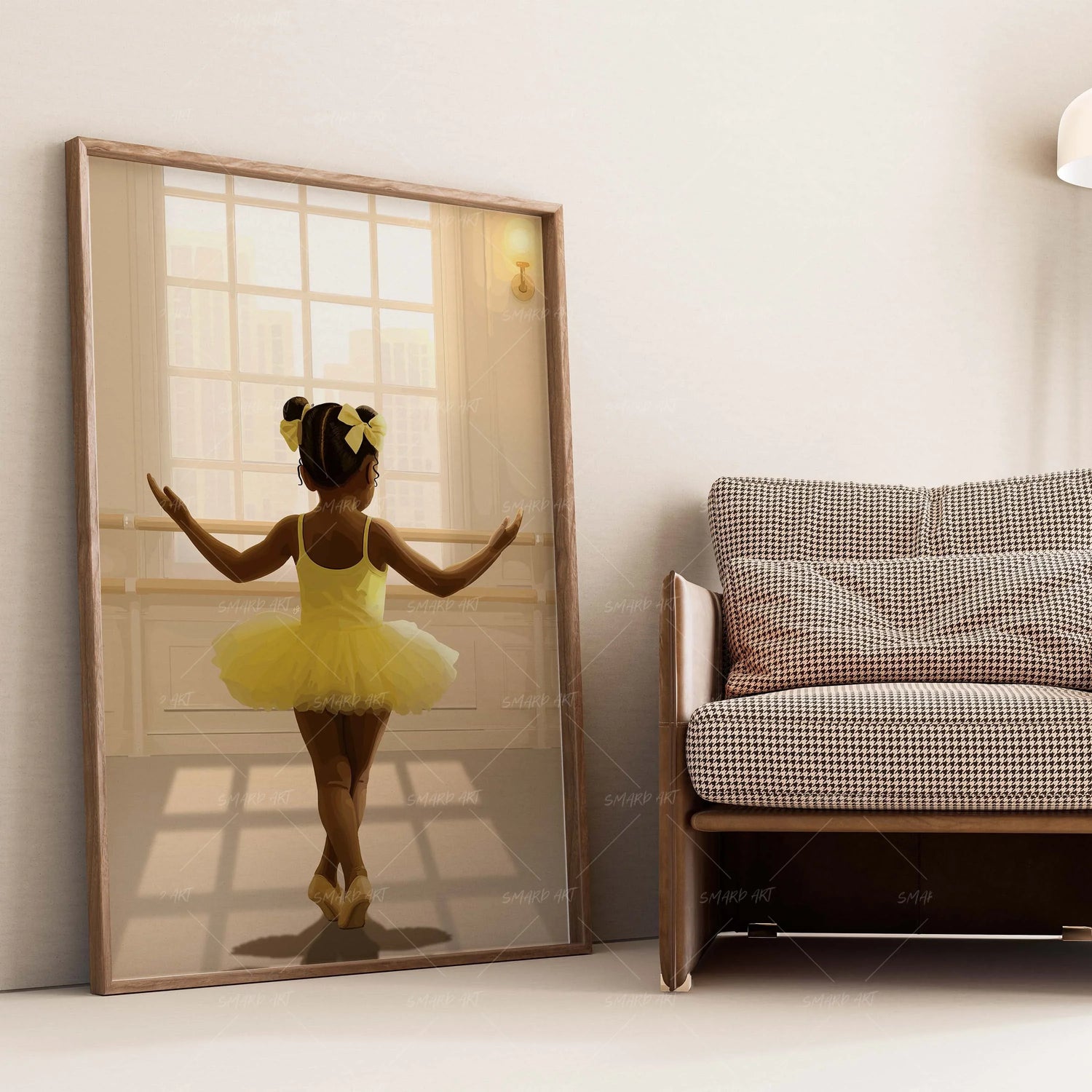
Small rooms can sometimes feel cramped or visually limited, especially when there is little floor space to work with. However, thoughtful interior design techniques can help transform even the smallest spaces into rooms that feel open, balanced, and visually comfortable.
One of the most effective tools designers use to enhance small spaces is wall art. Artwork can create the illusion of depth, guide the eye around the room, and introduce colors that visually expand the environment.
When used correctly, wall art can make a small room appear larger, brighter, and more inviting.
Choose Large Artwork Instead of Many Small Pieces
A common decorating mistake in small rooms is filling the walls with many tiny pieces of artwork. While these pieces may be individually attractive, they can create visual clutter that makes the room feel even smaller.
Instead, interior designers often recommend using one larger piece of artwork.
Large artwork can:
- Create a strong focal point
- Reduce visual clutter
- Make the wall feel more expansive
When the eye focuses on a single statement piece, the room tends to feel more organized and spacious.
Use Light and Neutral Colors
Color has a powerful influence on how space is perceived. Light colors reflect more light and naturally create a feeling of openness.
Artwork featuring lighter tones such as:
- Soft beige
- Pastel colors
- Light blues
- Cream or white backgrounds
can help brighten the walls and make the room feel larger.
Dark artwork can still work in small spaces, but it should be balanced carefully with the rest of the décor.
Vertical Artwork Can Make Ceilings Feel Higher
Another effective trick is using vertical artwork.
Tall artwork draws the eye upward, which can make ceilings appear higher than they actually are. This creates the impression of a more spacious environment.
Vertical art works especially well in:
- Small living rooms
- Narrow hallways
- Compact bedrooms
The upward visual movement helps open the room vertically.

Use Multi-Panel Art to Expand the Wall
Multi-panel artwork spreads across the wall in separate sections. This type of art naturally encourages the eye to travel across the space.
Because the artwork stretches across the wall, it creates the illusion that the wall itself is wider.
Multi-panel art is particularly effective above:
- Sofas
- Beds
- Dining tables
This technique visually extends the room without adding furniture.
Avoid Overcrowding the Walls
In small spaces, less is often more.
Too many decorative elements can overwhelm the room and make it feel cluttered. Carefully chosen artwork with adequate space around it allows the wall to breathe.
Designers often emphasize negative space, which refers to the empty space around objects.
Negative space helps artwork stand out and prevents visual overload.
Use Art That Creates Depth
Artwork that includes visual perspective can also make rooms appear larger.
Examples include:
- Landscape scenes
- Roads or pathways
- Ocean views
- Architectural photography
These images naturally create a sense of distance, which can trick the eye into perceiving more space within the room.
Place Artwork Strategically
Placement matters just as much as the artwork itself.
To maximize visual impact:
- Hang artwork at eye level.
- Position it where it naturally draws attention.
- Avoid placing art too high or too low.
Well-positioned artwork helps maintain visual balance and improves the overall design of the space.
Final Thoughts
Even the smallest rooms can feel open and stylish when decorated thoughtfully. Wall art plays an important role in achieving this transformation. Through the use of larger pieces, lighter colors, vertical designs, and strategic placement, artwork can visually expand a space without requiring additional square footage.
When used creatively, wall art becomes more than decoration—it becomes a design tool that enhances both the beauty and the perception of space within a home.

Leave a comment
This site is protected by hCaptcha and the hCaptcha Privacy Policy and Terms of Service apply.