


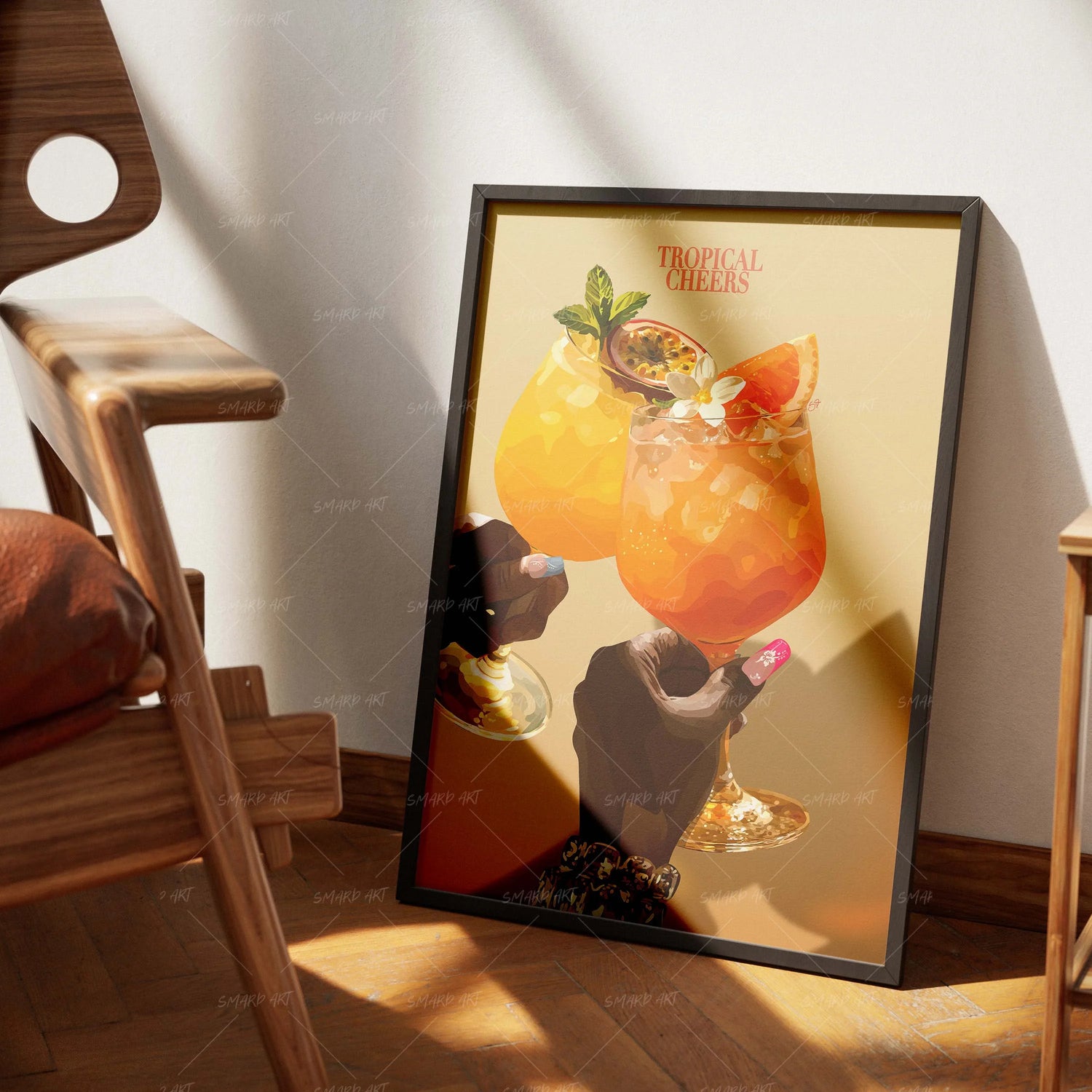
How to Pick Wall Art That Feels Intentional, Not Random
The difference between a beautifully styled home and a cluttered-looking one often comes down to intention. Random art—even if individually beautiful—can make a room feel visually noisy or disconnected. Intentional art brings clarity, balance, and purpose to the space.
Here’s how to choose wall art that feels curated rather than accidental.
1. Begin With a Vision, Not a Shopping Cart
Instead of buying pieces you like individually, start by imagining the overall atmosphere you want the room to express.
Ask yourself:
- What emotion should this space evoke?
- What colors define the room?
- What story do I want the walls to tell?
This vision becomes your filter for every artwork you choose.
2. Choose a Dominant Focal Point
Every room needs one main star. This prevents visual clutter and gives the eye a place to rest.
A focal artwork should:
- Be the largest piece
- Carry the strongest subject
- Establish the room’s signature style
SmardArt’s statement pieces are designed with this central role in mind.
3. Map Out a Unified Color Story
Intentional art shares color continuity across the room. Even different styles look cohesive when they share at least one core color.
Building a color story involves:
- Identifying the room’s primary tones
- Choosing art that includes those tones
- Adding accent artwork that complements instead of competes
Color is the simplest way to unify diverse pieces.

4. Use Scale to Create Visual Hierarchy
Scale prevents a wall from feeling chaotic.
For intentionality:
- Large pieces = main story
- Medium pieces = supporting elements
- Small pieces = accents or fillers
When scale is balanced, the room feels organized and elegant.
5. Select Art With Personal Relevance
Intentional spaces always include pieces with meaning—identity, culture, memory, or emotional resonance.
Meaning transforms décor into storytelling.
Conclusion
Intentional wall art relies on vision, focal clarity, color cohesion, scale hierarchy, and emotional resonance. When these elements align, your walls feel curated—not random.

Leave a comment
This site is protected by hCaptcha and the hCaptcha Privacy Policy and Terms of Service apply.