


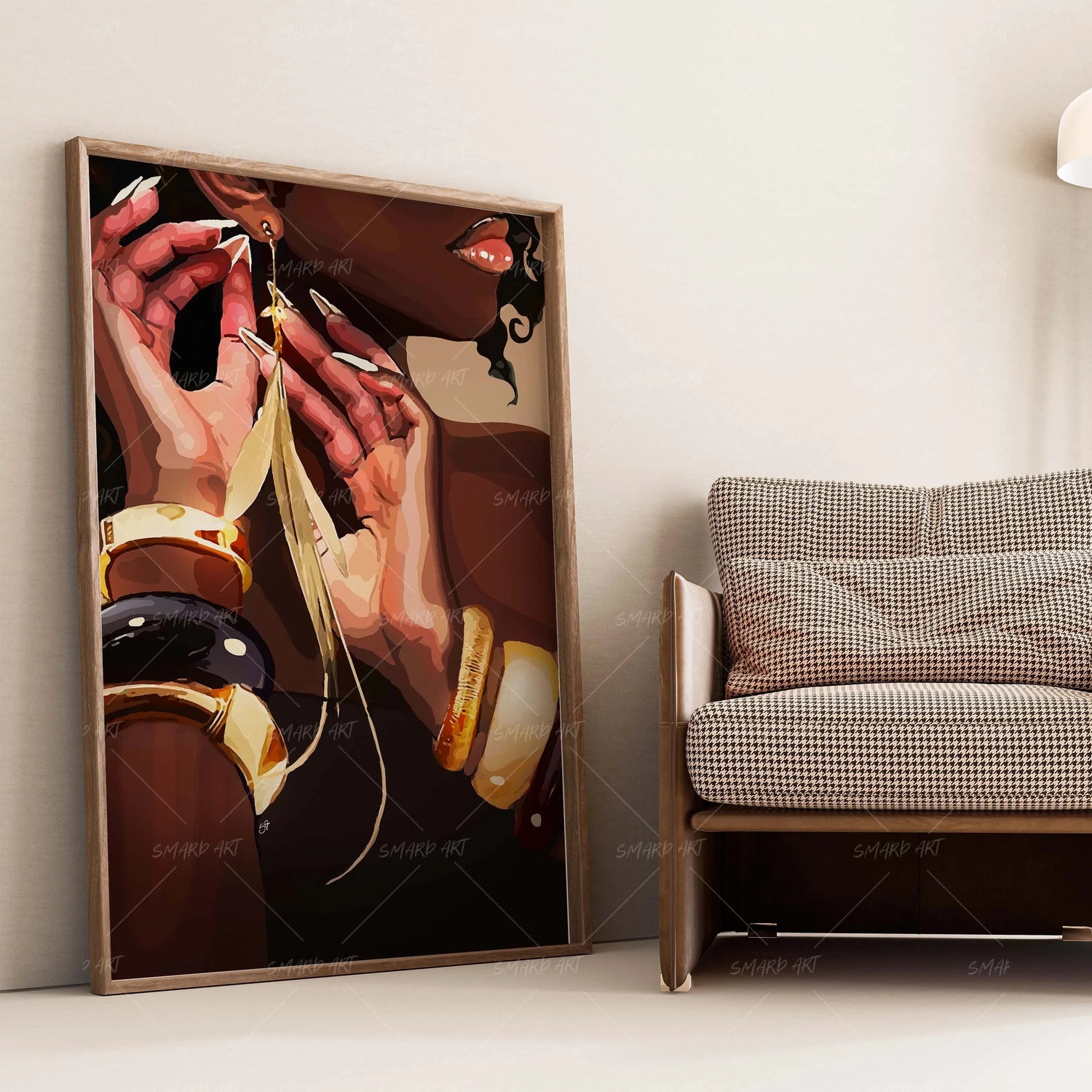
Creating a cohesive interior design is about more than choosing furniture and colors. It is about ensuring that every element within a space works together harmoniously. Wall art is one of the most influential elements in achieving this balance, yet it is often chosen as an afterthought.
Matching wall art with your interior design style requires a clear understanding of the overall look and feel you want to achieve. Every design style has its own characteristics, and the artwork should reflect and enhance those qualities rather than conflict with them.
In modern interiors, simplicity and clean lines are key. Artwork that features minimalistic designs, abstract compositions, or subtle color palettes tends to work well in these spaces. The focus is on clarity and balance, so the art should feel refined rather than overly complex.
For more traditional interiors, artwork often leans toward classic themes and detailed compositions. Pieces that incorporate rich colors, intricate patterns, or historical influences can complement the elegance of traditional design. These artworks add depth and sophistication to the space.
Bohemian interiors offer more freedom and creativity. In these spaces, wall art can be eclectic and expressive, combining different styles, colors, and cultural influences. The goal is to create a layered and visually rich environment that feels personal and unique.
Minimalist spaces require a more restrained approach. In this style, less is more. A single, carefully chosen piece can have a stronger impact than multiple artworks. The emphasis is on quality and intention, allowing the artwork to stand out without clutter.
Industrial interiors often feature raw materials such as metal, wood, and exposed structures. Artwork in these spaces can include bold graphics, monochrome designs, or pieces that incorporate texture. The art should complement the rugged and unfinished aesthetic.

Color coordination is one of the most important aspects of matching wall art with interior design. The artwork does not need to match the room exactly, but it should relate to the existing color palette. This creates a sense of unity and prevents the space from feeling disjointed.
Another important consideration is theme. While it is not necessary for every piece to follow the same theme, there should be a sense of connection. This could be through subject matter, color, or style. When elements are connected, the space feels more intentional.
Scale and proportion also play a role in maintaining cohesion. Artwork should be appropriately sized for the walls and furniture within the room. Proper proportions help create balance and ensure that the art enhances the space rather than disrupting it.
Texture can be used to tie different elements together. For example, artwork with natural textures can complement wooden furniture, while sleek and smooth pieces may suit more contemporary designs. These subtle connections help unify the overall look.
Personal taste should always be a guiding factor. While it is important to consider design principles, the space should ultimately reflect the personality of those who live in it. Choosing artwork that resonates personally ensures that the space feels authentic.
Lighting can further enhance how well wall art integrates with the interior design. Proper lighting highlights the artwork and helps it blend seamlessly with the rest of the space.
Matching wall art with your interior design style is about creating harmony. When every element works together, the space feels complete and thoughtfully designed.
Wall art is not just decoration—it is a defining feature of interior design. When chosen and placed with intention, it has the power to elevate a space and bring the entire design together.
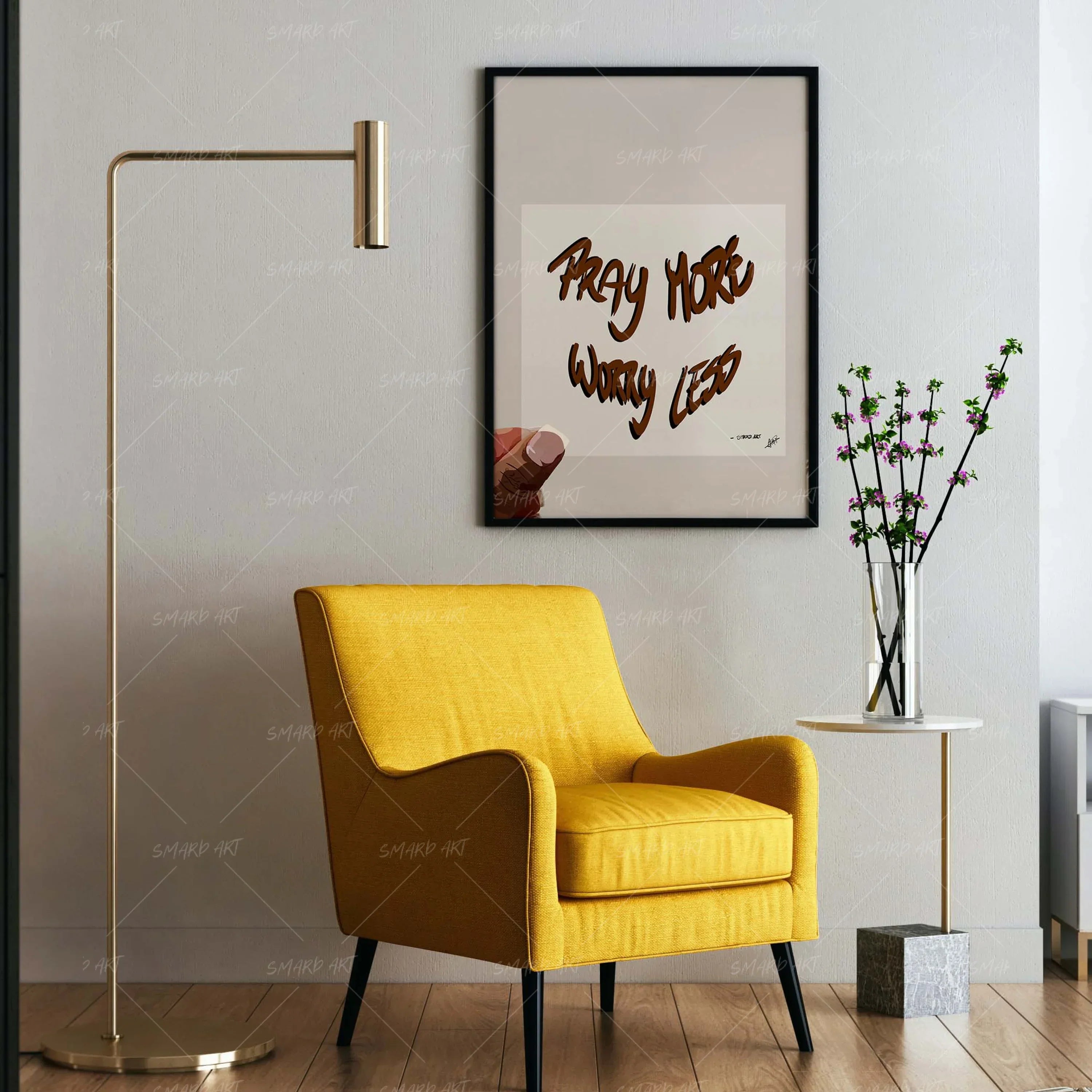
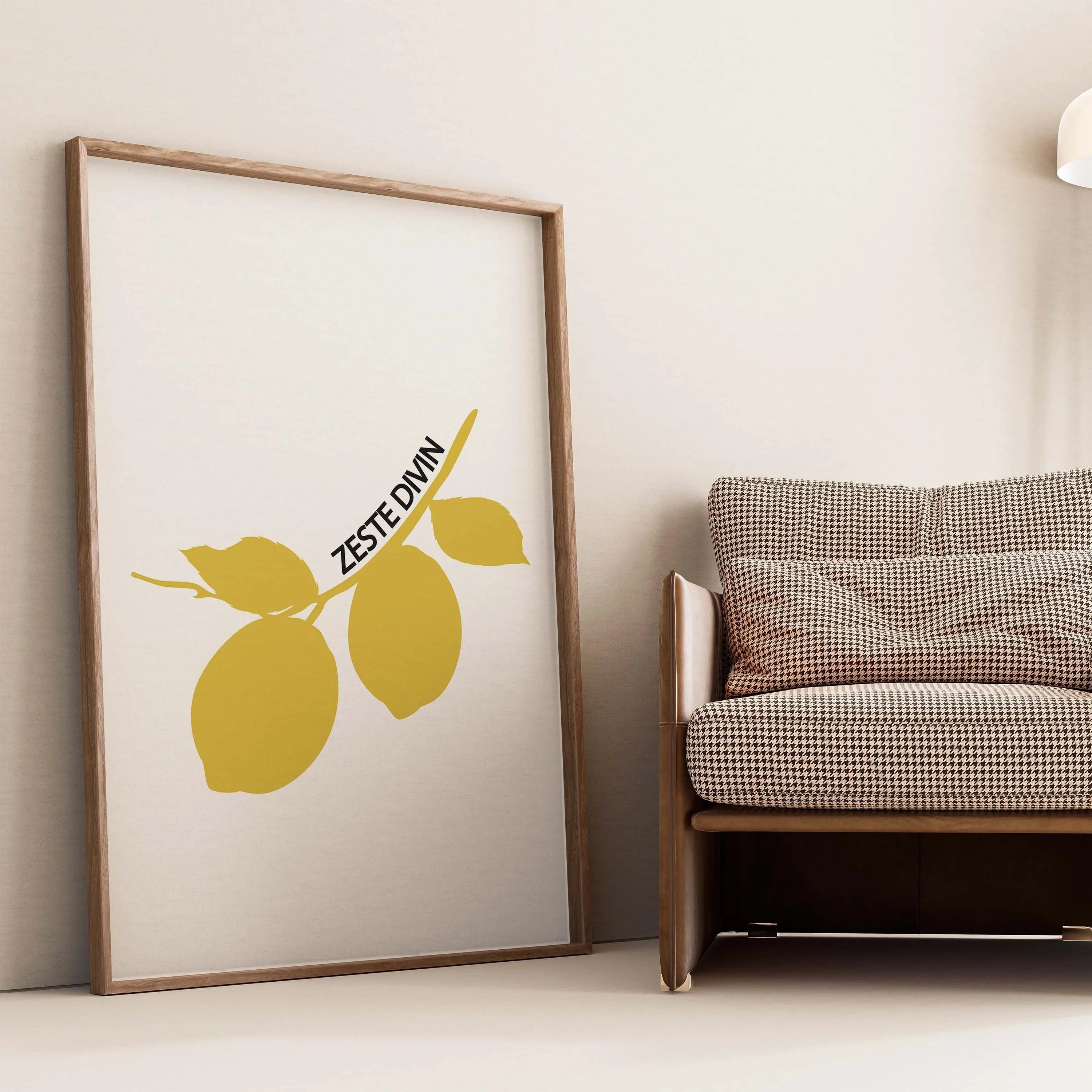

Leave a comment
This site is protected by hCaptcha and the hCaptcha Privacy Policy and Terms of Service apply.