


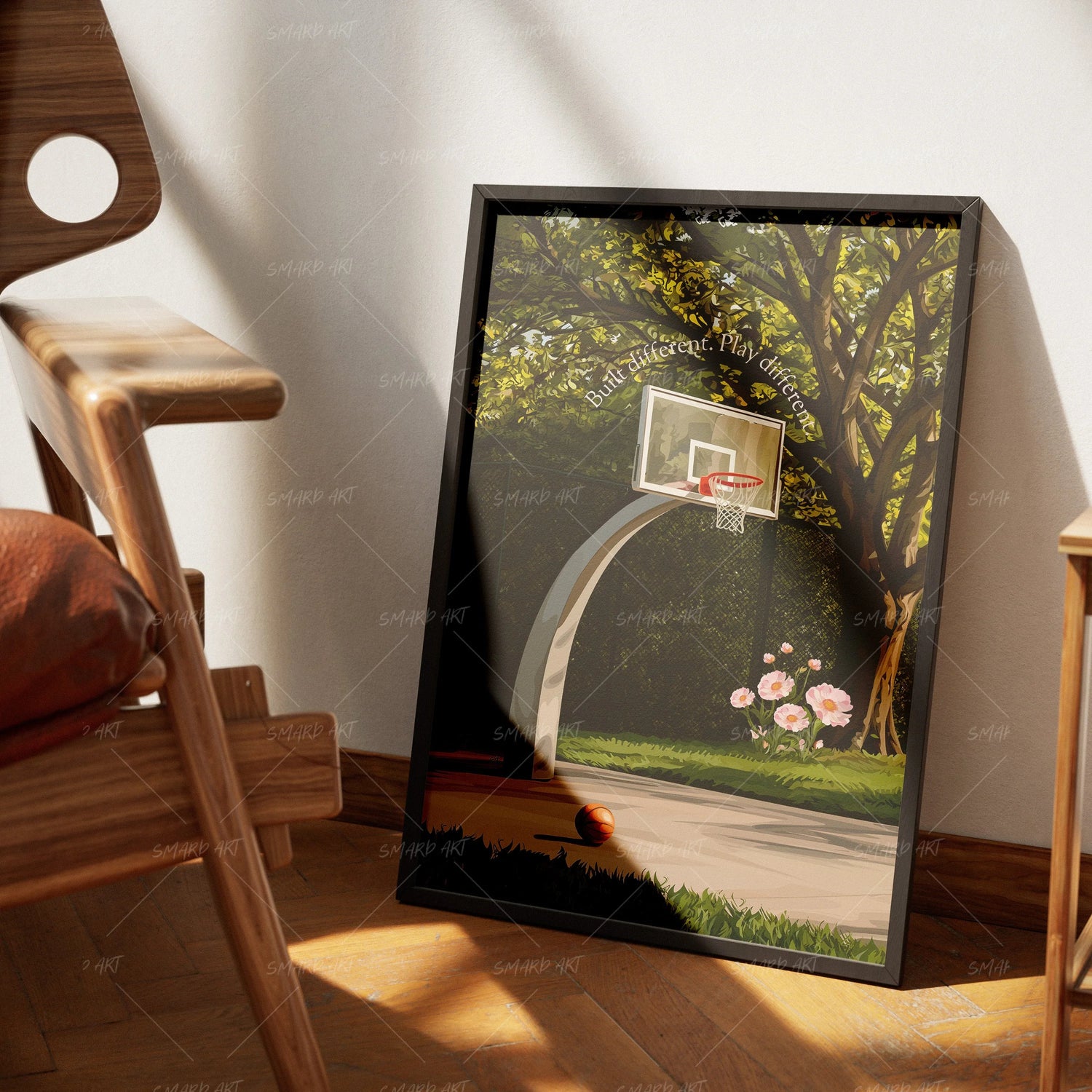
Creating a well-designed interior is not just about choosing beautiful furniture or stylish wall art individually. The real magic happens when both elements work together in harmony. Matching wall art with furniture is one of the most important principles in interior design, yet it is often overlooked.
When wall art and furniture are aligned properly, a room feels intentional, balanced, and professionally styled. When they are not, even expensive pieces can feel disconnected and visually confusing.
The goal is not perfect matching, but visual harmony. This means creating a relationship between your furniture and artwork through color, scale, texture, and style.
Start with Color Coordination
Color is the easiest and most powerful way to connect wall art with furniture. One simple approach is to pull colors directly from your furniture into your artwork. For example, if your sofa is beige with warm undertones, artwork with earthy tones like brown, gold, or soft orange will naturally complement it.
You do not need exact color matching. Instead, focus on shared tones. A navy sofa can pair beautifully with abstract art that includes hints of blue, white, or even subtle gold accents.
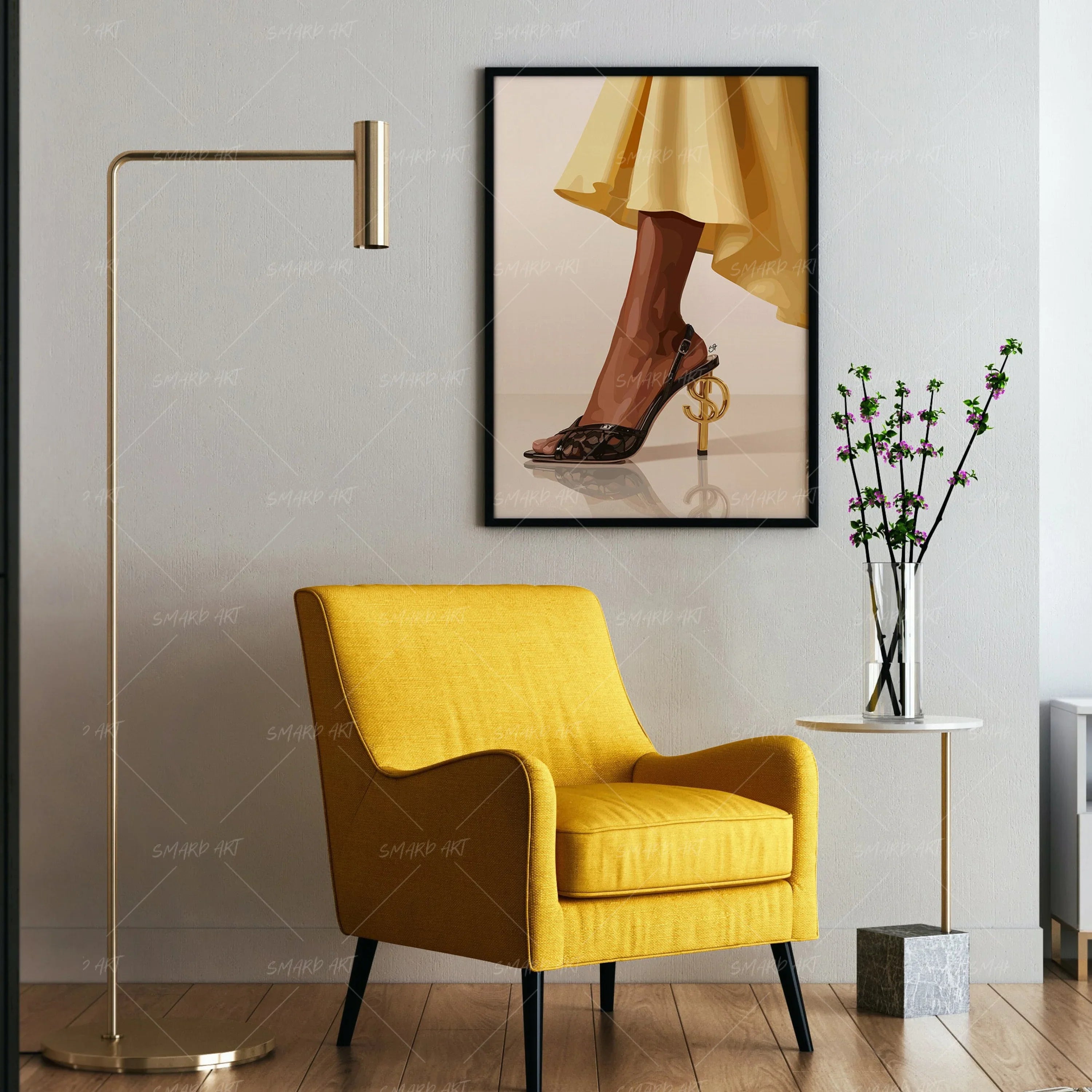
Another effective technique is contrast. If your furniture is neutral—white, gray, or beige—you can use bold wall art to create a focal point. A vibrant painting above a neutral sofa instantly adds energy and personality to the room.
However, balance is essential. Too much contrast can feel chaotic, while too little can feel flat and uninspiring.
Understand Scale and Proportion
One of the biggest mistakes in interior design is ignoring scale. Wall art should always relate to the size of the furniture beneath it.
A large sofa requires large artwork or a grouped arrangement. A small piece above a wide couch will feel lost and disconnected. Ideally, wall art above furniture should cover about two-thirds of the furniture’s width.
For smaller furniture like accent chairs or sideboards, smaller or vertically oriented pieces work better. This keeps the visual balance intact and prevents overcrowding.
Align Style and Design Language
Furniture style plays a major role in choosing the right wall art.
Modern furniture pairs well with abstract, minimalist, or geometric art. These styles reinforce clean lines and simplicity.
Traditional furniture works better with classic paintings, landscapes, or framed illustrations that carry a timeless feel.
Industrial furniture pairs well with metal art, monochrome prints, or raw-texture designs.
Boho or eclectic furniture allows more freedom. You can mix colors, textures, and styles as long as there is a unifying element such as tone or framing.
When styles clash too much, the room feels inconsistent. When they align, the space feels curated and intentional.

Use Texture to Create Depth
Matching wall art with furniture is not only about visuals—it is also about texture.
For example, a soft fabric sofa pairs beautifully with canvas prints or textured wall art that adds visual depth. Leather furniture, on the other hand, pairs well with clean, polished prints or metallic accents.
Texture creates contrast without breaking harmony. It gives the room layers, making it feel more dynamic and lived-in.
Placement is Just as Important as Design
Even perfect artwork will look wrong if placed incorrectly.
Wall art should always be centered relative to the furniture beneath it. Hanging art too high creates disconnection, while hanging it too low can make the space feel cramped.
The ideal position is at eye level, with the center of the artwork aligned to the furniture arrangement.
If you are creating a gallery wall, treat the entire arrangement as one visual unit and center that unit above the furniture.
Lighting Brings Everything Together
Lighting plays a crucial role in unifying furniture and wall art. Without proper lighting, even well-matched designs can feel dull.
Soft, warm lighting enhances both furniture tones and artwork colors. Accent lighting, such as wall sconces or spotlights, can highlight key pieces and create a focal point in the room.
Natural light also helps, especially in living rooms or dining areas where wall art can shift in appearance throughout the day.
Avoid Overcrowding the Space
One of the most common design mistakes is adding too many elements. When both furniture and wall art compete for attention, the room becomes visually overwhelming.
Instead, choose one focal point per area. If your sofa is bold, keep wall art simple. If your wall art is bold, keep furniture more neutral.
This balance ensures the eye has a clear place to rest, making the space feel more comfortable and intentional.
Final Thought
Matching wall art with furniture is about creating harmony, not perfection. When colors, scale, texture, and style work together, the result is a space that feels cohesive, balanced, and professionally designed.
A well-matched interior does not just look good—it feels right. It reflects intention, personality, and thoughtful design choices that elevate your entire home.

Leave a comment
This site is protected by hCaptcha and the hCaptcha Privacy Policy and Terms of Service apply.