



Black History Month is often celebrated through events, conversations, and educational moments — but it can also be reflected beautifully in your home. The challenge many people face, however, is this:
How do you decorate for Black History Month in a way that feels authentic and timeless — not seasonal or temporary?
The answer lies in intentional design.
Black History Month decor should not feel like holiday decorations that disappear in March. Instead, it should reflect cultural pride, heritage, and identity in ways that integrate seamlessly into your everyday space.
This guide will walk you through how to thoughtfully incorporate African American wall art and cultural decor into your home — in ways that last far beyond February.
1. Start with Meaning, Not Just Color
Many people assume Black History Month decor must center around red, black, and green. While these Pan-African colors are powerful symbols of unity and heritage, meaningful decor goes deeper than a color palette.
Instead of focusing only on colors, consider:
- What stories do I want my walls to tell?
- What cultural values matter most in my home?
- What themes resonate with my family?
For example:
- Sankofa art speaks to honoring the past.
- Raised fist imagery represents resilience and strength.
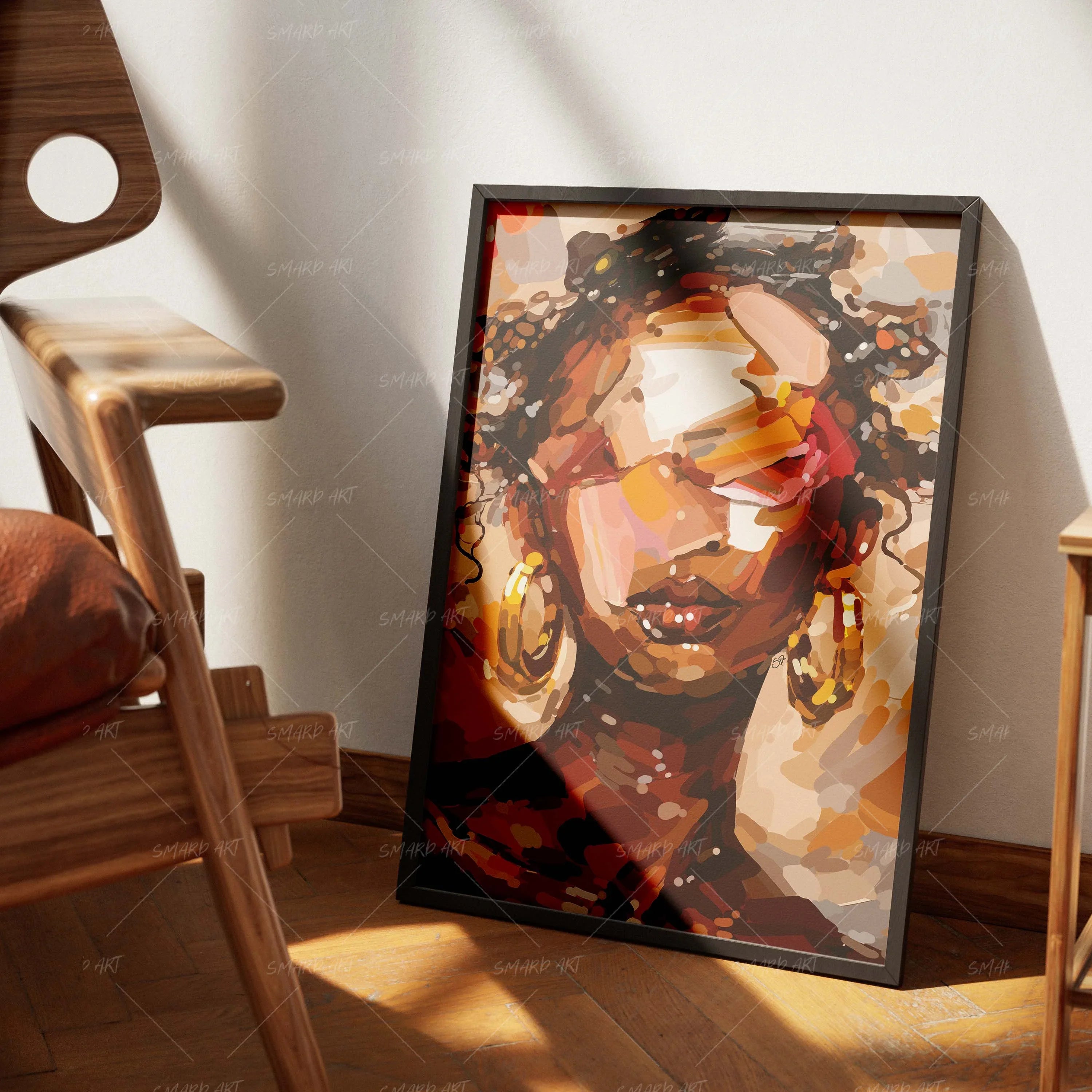
- Portrait art highlights legacy and representation.
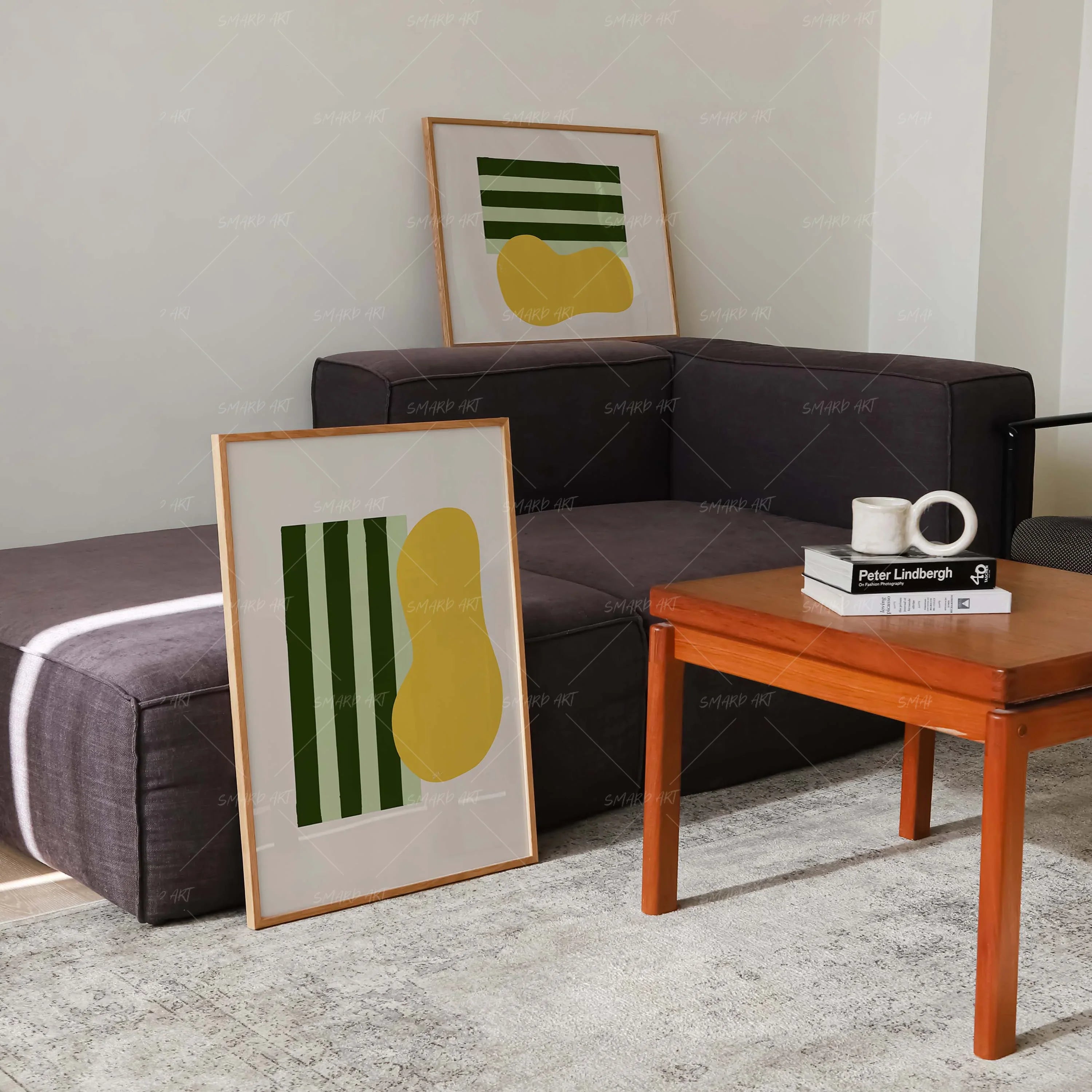
- Abstract Afrocentric pieces celebrate identity through form and movement.
When decor is rooted in meaning, it becomes permanent — not seasonal.
2. Choose Statement Wall Art That Feels Timeless
African American wall art is one of the easiest ways to elevate your space during Black History Month while ensuring long-term relevance.
Instead of small decorative pieces that feel themed, consider:
- A large 18x24 or 24x36 statement print
- A framed canvas with symbolic artwork
- A modern Afrocentric portrait
- Minimalist black-and-gold cultural typography
Statement pieces anchor a room. They become focal points in:
- Living rooms
- Home offices
- Entryways
- Dining areas
- Bedrooms
When the art is high-quality and thoughtfully selected, it enhances your interior design year-round.
3. Layer Culture into Existing Decor
You don’t need to redesign your entire home.
Instead, layer cultural elements into what you already have.
Examples:
- Replace one neutral art piece with a symbolic Black wall art print.
- Add a framed quote from a historical figure above a console table.
- Incorporate textured elements inspired by African patterns.
- Style books by Black authors on coffee tables.
The key is integration — not transformation.
Black History Month decor should feel like an extension of your home’s personality.
4. Create a Cultural Gallery Wall
Gallery walls are a powerful storytelling tool.
Instead of random art combinations, curate a collection that tells a narrative:
• Portrait art
• Symbolic art
• Typography prints
• Historical imagery
• Abstract Afrocentric patterns
When arranged intentionally, a gallery wall becomes:
- Educational
- Inspirational
- Visually cohesive
This approach works especially well in family homes where cultural awareness is important for children.

5. Make It Educational for the Whole Family
Decor can spark conversations.
For example:
If you hang a Sankofa print, take time to explain its meaning.
If you display Africa-shaped art, discuss its significance.
Wall art becomes a learning tool.
Children who grow up surrounded by affirming cultural imagery internalize:
- Pride
- Identity
- Belonging
- Historical awareness
Black History Month decor doesn’t just beautify a space — it reinforces legacy.
6. Avoid “Performative” Decor
One common mistake is treating Black History Month decor like a temporary campaign.
Authentic design means:
- Keeping the art up year-round
- Investing in quality pieces
- Choosing art that aligns with your values
- Supporting Black artists and brands
When decor is removed in March, it sends a subtle message that culture is seasonal.
When it remains, it communicates commitment.
7. Extend Beyond the Living Room
Cultural decor doesn’t need to be confined to one room.
Consider adding Black wall art to:
- Home offices (to inspire productivity)
- Children’s rooms (to build identity)
- Hallways (to tell visual stories)
- Workspaces (to foster inclusion)
Representation should not be isolated.
It should be integrated.
Final Thoughts
Decorating your home for Black History Month should not feel like a short-term project.
It should feel like honoring history in a way that blends seamlessly with your lifestyle.
When African American wall art is chosen intentionally — rooted in symbolism, legacy, and design — it becomes permanent cultural architecture within your space.
Black History Month may last 28 days.
But cultural pride belongs on your walls all year long.

Leave a comment
This site is protected by hCaptcha and the hCaptcha Privacy Policy and Terms of Service apply.