


Gallery walls have remained one of the most popular interior design trends for years—and for good reason.
Unlike a single piece of artwork, a gallery wall allows you to tell a bigger story.
It can celebrate your family, your travels, your culture, your interests, or simply your appreciation for beautiful design. Whether your style is modern, minimalist, traditional, or eclectic, a thoughtfully arranged gallery wall can become the centerpiece of your home.
But while gallery walls look effortless when they're done well, creating one can feel intimidating.
How many pieces should you use?
Should all the frames match?
How far apart should they be?
Can you mix portrait and landscape artwork?
If you've been asking these questions, you're not alone.
The good news is that creating a beautiful gallery wall isn't about following strict rules. It's about creating balance, consistency, and a collection that reflects your personality.
Here's how to build a gallery wall with Black wall art that looks professionally designed.
The Quick Answer
A successful gallery wall combines artwork that shares a common theme, uses consistent spacing, and fits the scale of the wall.
You don't need identical frames or matching artwork.
Instead, aim for a collection that feels connected while allowing each piece to tell its own story.
Start With a Theme
Before buying or hanging anything, decide what your gallery wall is about.
The strongest gallery walls have a clear purpose.
Your theme might be:
- Black culture
- Family
- Love
- Fashion
- Music
- Travel
- Everyday life
- Inspirational quotes
- Abstract art
- Photography
A shared theme helps the collection feel intentional rather than random.
For example, a gallery wall featuring Black wall art that celebrates culture, identity, and everyday moments creates a cohesive visual story, even if each artwork is unique.
Choose the Right Wall
Not every wall needs a gallery.
The best locations include:
- Above the sofa
- Along a hallway
- Above a staircase
- In a dining room
- Behind a bed
- Around a home office desk
- In an entryway
Look for walls that have enough space for the arrangement to breathe.
A cramped wall can make even beautiful artwork feel overwhelming.
Plan Before You Hang
One of the biggest mistakes homeowners make is hanging the first piece and improvising the rest.
Instead, plan your layout first.
You can:
- Arrange the frames on the floor.
- Cut paper templates matching each frame size and tape them to the wall.
- Take photos of different arrangements before committing.
This extra step often saves unnecessary holes in your wall.

Decide on Your Layout
There are several popular gallery wall layouts.
Grid Layout
Perfect for modern and minimalist homes.
Frames are the same size and aligned evenly.
This creates a clean, structured appearance.
Organic Layout
Different frame sizes and orientations create a more relaxed feel.
The key is keeping the spacing consistent.
Centered Layout
Choose one larger statement piece and build outward around it.
This works particularly well above sofas and fireplaces.
Linear Layout
Artwork is arranged in a straight horizontal or vertical line.
Ideal for hallways and narrow walls.
Choose the layout that complements your room rather than simply following trends.
Mix Sizes Thoughtfully
A gallery wall becomes more interesting when it includes a variety of sizes.
However, there should still be balance.
For example:
- One large focal piece
- Two medium artworks
- Four smaller pieces
Avoid placing all the largest frames on one side.
Distribute visual weight evenly across the arrangement.
Should the Frames Match?
Not necessarily.
Matching frames create a polished, uniform appearance.
Mixed frames create a collected, lived-in feel.
If you choose different frame styles, look for another element that creates consistency.
This could be:
- A common color palette
- Similar artwork themes
- Matching mat boards
- Consistent spacing
The goal is unity, not uniformity.
Leave the Right Amount of Space
Spacing is one of the biggest factors separating professional-looking gallery walls from amateur ones.
Leave approximately two to four inches between frames.
Keeping the spacing consistent allows the eye to see the collection as one complete installation rather than individual pieces scattered across the wall.
Let Black Wall Art Tell a Story
One of the greatest strengths of a gallery wall is its ability to communicate something meaningful.
Black wall art naturally lends itself to storytelling.
You might combine artwork celebrating:
- Black beauty
- Family
- Relationships
- Community
- Fashion
- Heritage
- Joy
- Everyday experiences
Each piece contributes something unique while supporting the larger story.
Guests often spend more time exploring gallery walls because every artwork offers something new to discover.
Don't Fill Every Available Space
A common mistake is continuing to add artwork until the wall feels crowded.
Negative space is important.
It gives the eye room to rest and allows individual pieces to stand out.
Sometimes stopping one artwork earlier creates a stronger design.
Add Other Decorative Elements Carefully
Some gallery walls include mirrors, clocks, woven baskets, or sculptural pieces.
These additions can create variety, but they should support the artwork rather than compete with it.
If your primary focus is Black wall art, let the artwork remain the hero of the arrangement.
Accessories should simply enhance the display.
Consider the Room's Purpose
The mood of your gallery wall should match the room.
For example:
A living room may feature artwork celebrating family, culture, and conversation.
A bedroom may focus on calm, beauty, and love.
A home office may highlight creativity, ambition, and inspiration.
Matching the emotional tone of the artwork to the function of the room creates a stronger overall design.

Common Gallery Wall Mistakes
Even beautiful artwork can lose its impact when arranged poorly.
Watch out for these common mistakes:
- Hanging artwork too high.
- Using frames that are too small for a large wall.
- Inconsistent spacing.
- Too many unrelated themes.
- Continuing to add pieces without a plan.
A gallery wall should feel curated—not accidental.
Why Gallery Walls Never Go Out of Style
Design trends come and go, but gallery walls continue to remain popular because they are personal.
Unlike mass-produced decorations, they reflect the homeowner's interests and experiences.
As your life changes, your gallery wall can grow with you.
You might add new artwork after traveling, celebrating milestones, or discovering artists whose work speaks to you.
It becomes a visual timeline of your life.
Why Smard Art Is Perfect for Gallery Walls
At Smard Art, our collections are designed to work beautifully together.
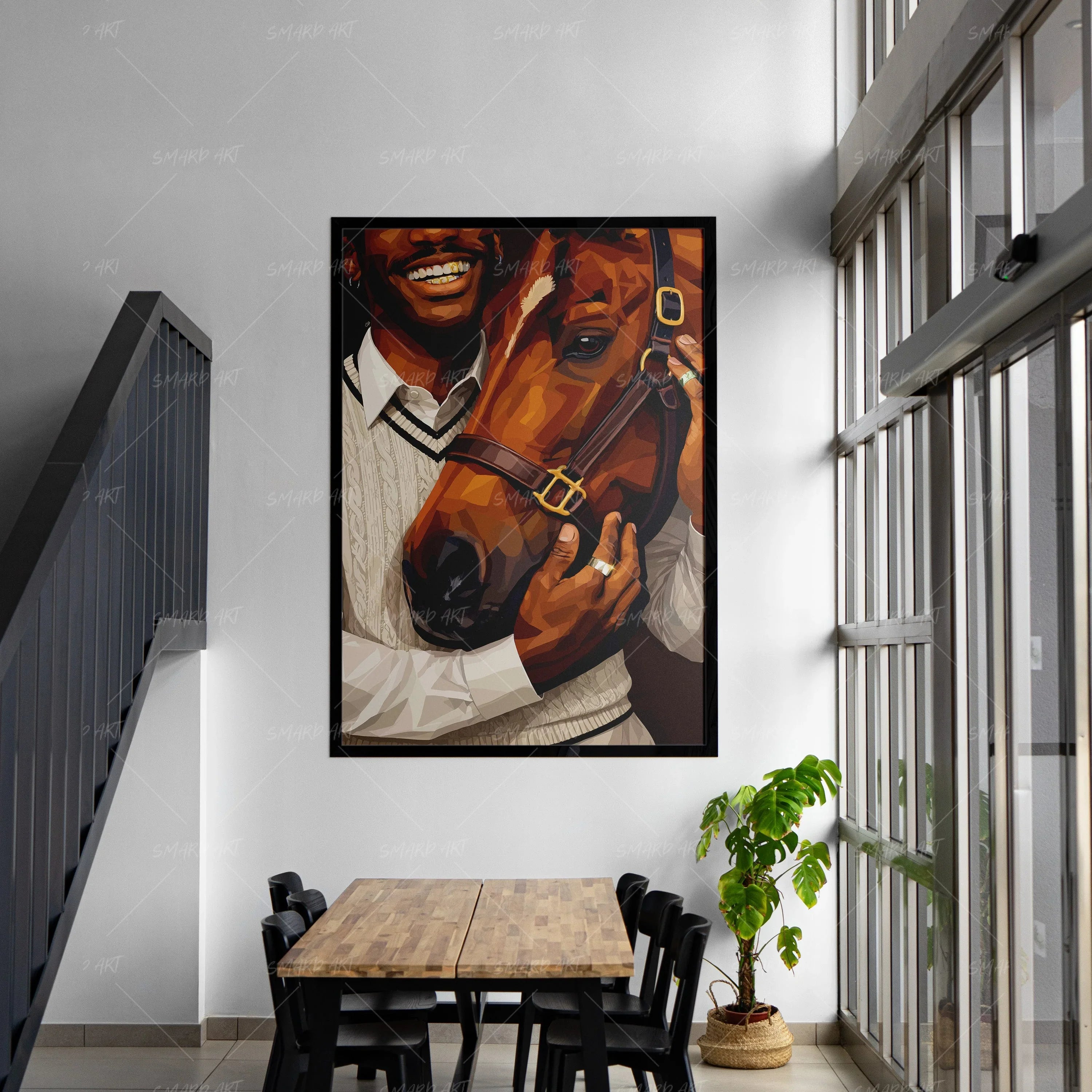
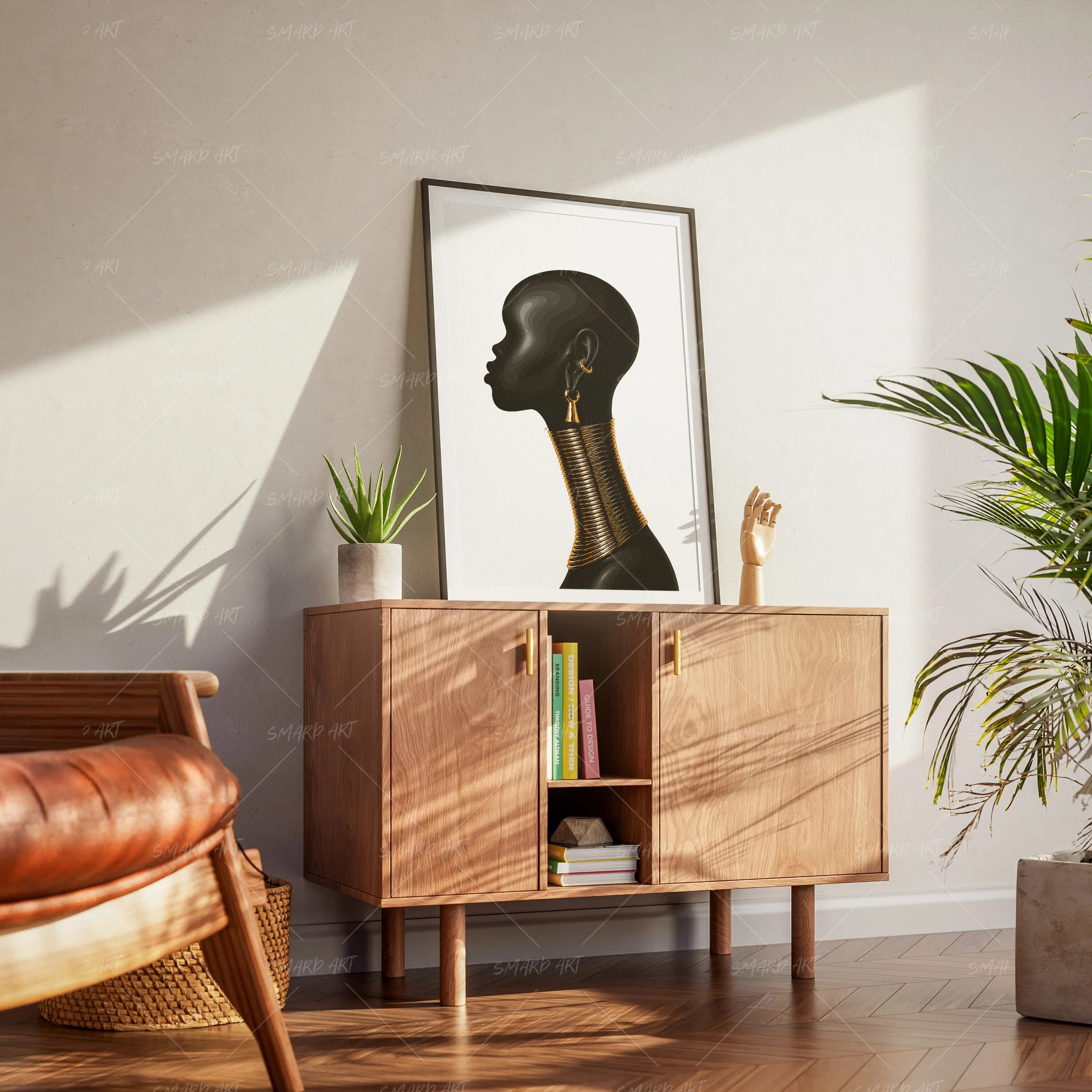
Whether you're drawn to portraits, cultural artwork, fashion-inspired designs, or scenes celebrating everyday Black life, our pieces can be mixed and matched to create a gallery wall that's uniquely yours.
Instead of buying unrelated prints from different places, you can build a cohesive collection that grows naturally over time.
Final Thoughts
Creating a gallery wall doesn't require perfect symmetry or expensive design services.
It simply requires intention.
Choose artwork that reflects your story.
Plan your layout.
Keep spacing consistent.
Allow the collection to evolve naturally.
Most importantly, create something you'll enjoy seeing every day.
The best gallery walls aren't the ones that follow every decorating rule.
They're the ones that tell the most meaningful stories.
Frequently Asked Questions
How many pieces should a gallery wall have?
There is no fixed number. Most gallery walls include between five and twelve pieces, depending on the size of the wall.
Should all gallery wall frames match?
No. Matching frames create a cleaner look, while mixed frames create a more collected appearance. Both approaches work when the overall design feels cohesive.
How far apart should gallery wall frames be?
A spacing of approximately two to four inches between frames works well in most homes.
Can I mix portrait and landscape artwork?
Yes. Mixing orientations creates visual interest as long as the overall arrangement feels balanced.
Where is the best place for a gallery wall?
Living rooms, hallways, staircases, bedrooms, dining rooms, and home offices are all excellent locations.
Explore More from Smard Art
Build your perfect gallery wall with:
- Black Wall Art
- Gallery Wall Collections
- Living Room Wall Art
- Bedroom Wall Art
- Modern Wall Art
- Statement Wall Art
Create a gallery wall that celebrates your story, your style, and your home.

Leave a comment
This site is protected by hCaptcha and the hCaptcha Privacy Policy and Terms of Service apply.