


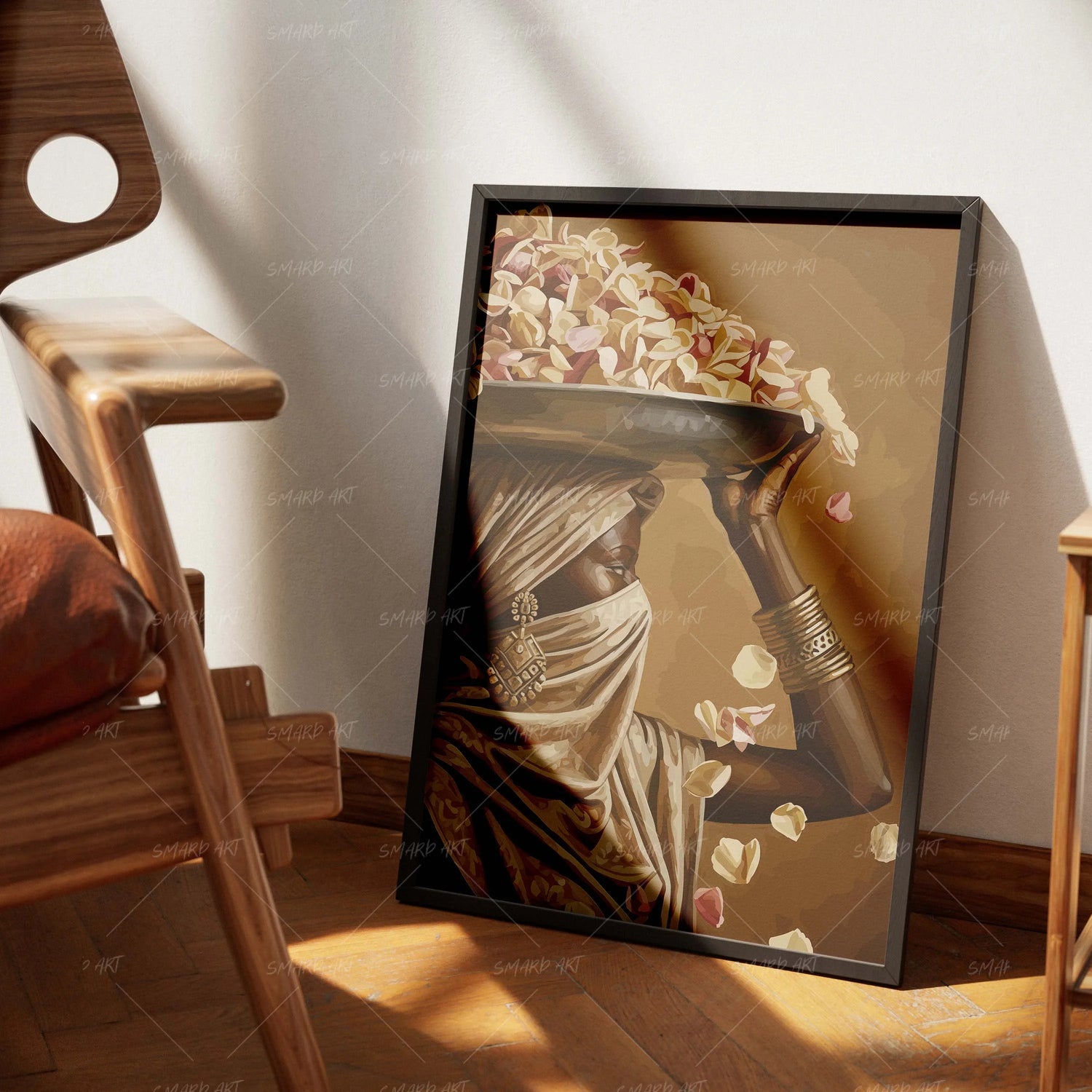
Wall art can transform a room, but choosing the wrong size piece can throw off the entire space. One of the most common decorating mistakes people make is selecting artwork that is too small for the wall it occupies. The result is a room that feels unfinished or unbalanced.
Understanding how to choose the right size wall art is one of the most important skills in interior design. Whether you are decorating a living room, bedroom, office, or hallway, the right proportions will help your space feel intentional and visually appealing.
When wall art is properly sized, it becomes a focal point that anchors the room and adds personality.
Why Size Matters in Wall Art
Scale plays a major role in how a room feels. A large empty wall with a tiny picture frame can feel awkward and disconnected, while oversized artwork in a small space can overwhelm the room.
The goal is balance.
Interior designers often recommend that wall art should occupy around 60–75 percent of the available wall space. This proportion allows the artwork to feel significant without overpowering the room.
For example, if your couch measures 80 inches wide, your artwork should ideally be between 48 and 60 inches wide.
This guideline creates visual harmony.
Choosing Wall Art for Living Rooms
Living rooms often feature the largest walls in a home, which makes them perfect for statement art pieces.
A large canvas placed above a sofa can immediately establish the room’s style and personality. Oversized art is especially effective because it draws attention and creates a clear focal point.
If you prefer smaller pieces, a gallery wall can achieve a similar effect by grouping multiple artworks together.
Gallery walls work best when the arrangement feels cohesive and balanced.
Spacing between frames should generally be 2–3 inches to maintain visual unity.
Bedroom Wall Art Size Tips
Bedrooms typically benefit from calming and balanced décor. Artwork placed above the bed should be proportional to the bed frame itself.
A good rule is that the artwork should be about two-thirds the width of the bed.
For example:
- Queen bed: medium-to-large artwork
- King bed: large statement artwork
- Twin bed: smaller pieces or a pair of artworks
Soft imagery and calming tones often work best in bedrooms, helping create a relaxing environment.

Dining Room Wall Art
Dining spaces are excellent places for expressive art because they are often used for social gatherings and shared experiences.
Large artwork works well here, especially pieces that encourage conversation. Abstract designs, cultural art, and bold compositions can make the dining area feel vibrant and engaging.
If the dining area includes a long wall, consider using two or three coordinated artworks to create rhythm across the space.
This approach prevents the wall from feeling empty while maintaining visual balance.
Office and Workspace Art
Artwork in workspaces should inspire focus and creativity.
Medium to large pieces are often ideal because they provide visual interest without becoming distracting. Motivational imagery, cultural heritage art, or visually striking designs can help make a workspace feel more meaningful and energizing.
In offices with limited wall space, a single well-chosen piece often works better than multiple small ones.
A strong focal point keeps the space organized and intentional.
Hallways and Smaller Walls
Hallways present a unique opportunity for storytelling through art.
Because these spaces are typically narrow, smaller artworks arranged in a sequence can create a gallery-like experience. This works especially well for themed collections, family photography, or cultural artwork that tells a visual story.
Spacing and alignment are important in hallway displays. Keeping frames evenly spaced helps maintain a clean and professional look.
The Power of Statement Pieces
Large wall art has become increasingly popular in modern interior design. A single oversized piece can dramatically change the feel of a room.
Statement art creates immediate impact while simplifying the decorating process. Instead of filling a wall with multiple small pieces, one large canvas can define the space instantly.
This approach works particularly well in living rooms, offices, and entryways.
Final Thoughts
Choosing the right size wall art is not just about decoration—it is about creating balance within a space.
When artwork is properly scaled to the room and furniture around it, it naturally becomes part of the room’s structure and personality.
Whether you prefer bold statement pieces or carefully arranged gallery walls, the key is to maintain proportion and visual harmony.
When size, placement, and design come together, wall art becomes more than décor—it becomes a defining element of your home.

Leave a comment
This site is protected by hCaptcha and the hCaptcha Privacy Policy and Terms of Service apply.