


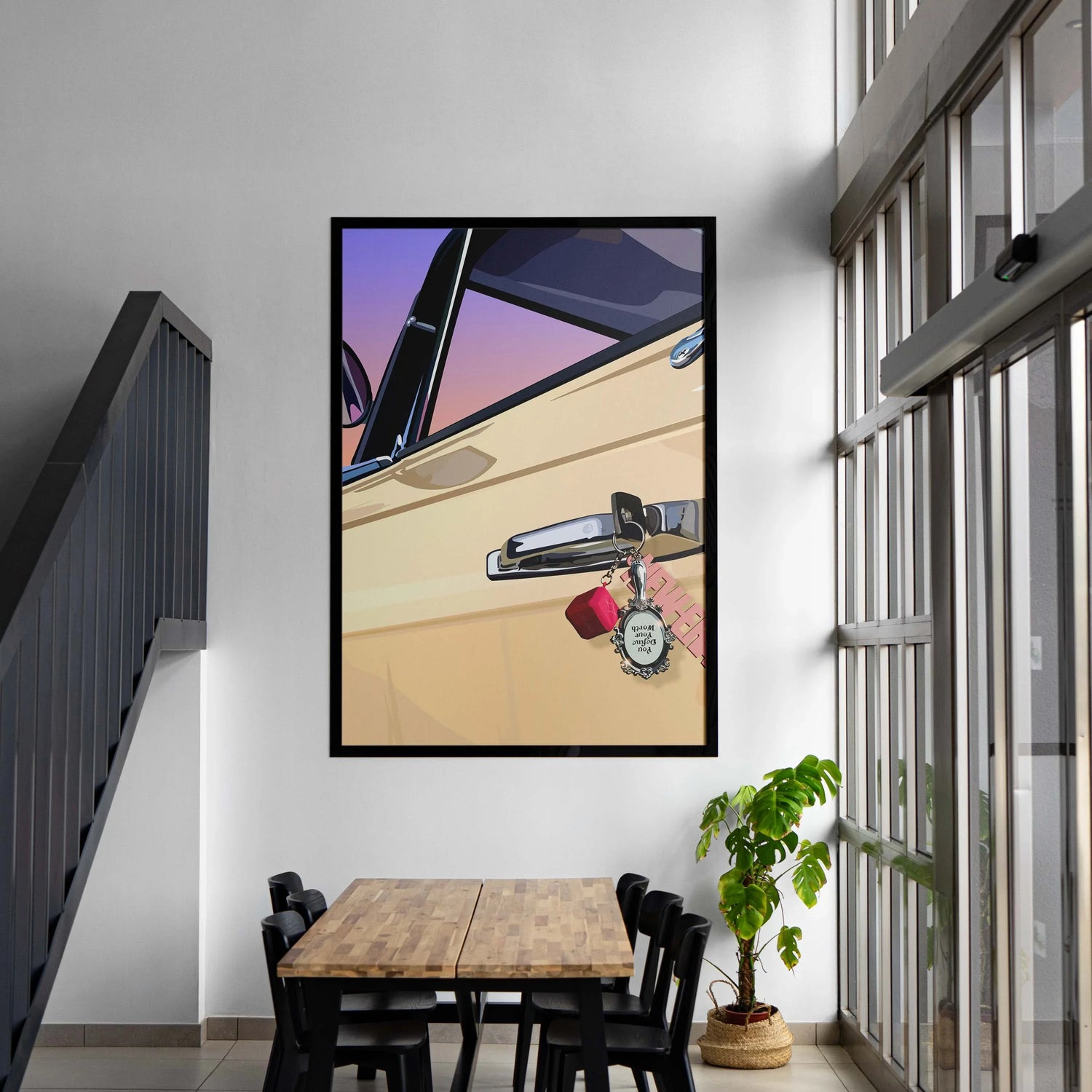
Choosing beautiful wall art is only half the challenge.
Choosing the right size is what brings a room together.
Even the most stunning artwork can feel underwhelming if it's too small, while a piece that's too large may dominate the room instead of complementing it.
This is one of the most common decorating mistakes homeowners make, and fortunately, it's one of the easiest to avoid.
Whether you're decorating your first apartment, refreshing your forever home, or creating a gallery wall, understanding scale and proportion will help your artwork look intentional and beautifully integrated into your space.
Here's how to choose the right size wall art for every room in your home.
The Quick Answer
The right wall art size depends on three things:
- The size of your wall.
- The size of nearby furniture.
- The role you want the artwork to play.
As a general rule, artwork should feel proportional to the furniture beneath it and leave enough surrounding wall space to breathe.
Why Size Matters
Artwork helps establish visual balance.
When it's too small, it can disappear into the wall.
When it's too large, it can overwhelm nearby furniture.
The goal isn't to fill every inch of wall space.
The goal is to create harmony between the artwork, the furniture, and the architecture of the room.
Living Room Wall Art
The living room is where many homeowners choose their largest artwork.
If your artwork hangs above a sofa, it should feel connected to the furniture rather than floating independently.
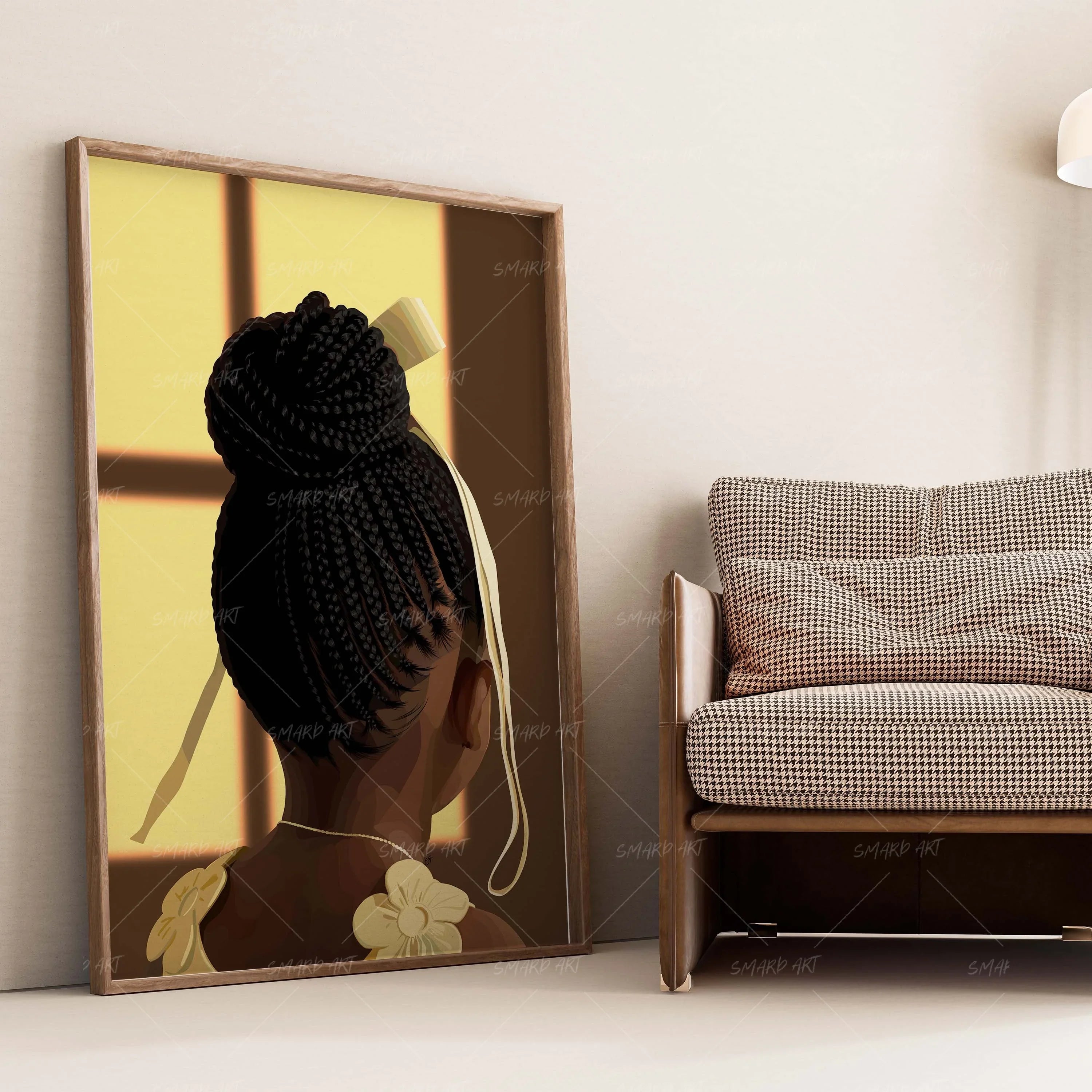
Large Black wall art works especially well because it creates a clear focal point while helping anchor the seating area.
Oversized artwork also reduces visual clutter by allowing one meaningful piece to tell the story instead of several smaller decorations competing for attention.
Bedroom Wall Art
Bedrooms benefit from artwork that feels calm and balanced.
One large artwork above the headboard often creates a luxurious appearance.
If you prefer multiple pieces, choose a small gallery wall with consistent spacing and a shared theme.
Avoid artwork that's significantly wider than the bed, as it may throw off the room's proportions.
Dining Room Wall Art
Dining rooms usually provide more flexibility.
Whether you choose one statement piece or a pair of complementary artworks, make sure the size relates naturally to the dining table or buffet below.
Artwork should enhance conversation without overwhelming the room.

Hallways
Hallways often have long, narrow walls.
Vertical artwork can make ceilings appear taller, while a series of coordinated pieces guides the eye naturally through the space.
Gallery walls also work beautifully in hallways because they encourage movement and exploration.
Entryways
The entryway creates your home's first impression.
One medium or oversized artwork often works better than several smaller pieces because it establishes a clear focal point immediately.
Pair it with a console table or decorative mirror for a balanced composition.
Home Office
Home offices should feel inspiring without becoming distracting.
A single statement artwork behind the desk creates a polished appearance for both everyday work and video calls.
If your office is larger, a curated gallery wall can add personality while reinforcing the room's creative atmosphere.
Small Rooms Don't Always Need Small Art
One of the biggest decorating myths is that compact rooms require tiny artwork.
In reality, one larger piece often makes a small room feel more spacious.
Several tiny frames can break up the wall visually, making the room feel busier.
Oversized statement wall art creates simplicity, which often translates into a more open feeling.
Gallery Walls Have Their Own Scale
When creating a gallery wall, think of the entire arrangement as one artwork.
Rather than judging each frame individually, consider the combined width and height of the full display.
Consistent spacing helps the collection feel cohesive.
Match the Artwork to the Furniture
Artwork should work with nearby furniture rather than compete against it.
Above a sofa, bed, console table, or dining buffet, the artwork should feel visually connected.
Leaving a moderate amount of space between the furniture and the artwork creates a balanced composition that looks professionally designed.
Leave Some Breathing Room
Not every wall needs to be completely covered.
Negative space helps artwork stand out.
Leaving open wall around your artwork allows the eye to focus on the piece rather than feeling overwhelmed.
Luxury interiors often rely on this principle.
Think About Viewing Distance
Large rooms usually require larger artwork because people view it from farther away.
Smaller rooms allow more detailed artwork because viewers naturally stand closer.
Always think about how you'll experience the artwork during everyday life.
Why Black Wall Art Looks Beautiful at Larger Sizes
Modern Black wall art often tells powerful visual stories through portraits, lifestyle scenes, family moments, and cultural celebrations.
Larger formats allow these stories to breathe.
Details become easier to appreciate.
The artwork naturally becomes the room's focal point without overwhelming the surrounding décor.

Why Smard Art Offers Multiple Sizes
At Smard Art, we know every home is different.
That's why our collections are available in multiple sizes to suit apartments, family homes, home offices, and gallery walls.
Whether you're searching for one oversized statement piece or building a curated collection, our modern Black wall art is designed to help every room feel intentional, balanced, and full of personality.
Final Thoughts
The right wall art size isn't about choosing the biggest piece available.
It's about choosing the size that fits your space.
Consider your wall.
Think about your furniture.
Visualize how the artwork will be experienced every day.
When scale, placement, and meaningful design come together, your artwork becomes much more than decoration.
It becomes part of the architecture of your home.

Leave a comment
This site is protected by hCaptcha and the hCaptcha Privacy Policy and Terms of Service apply.