


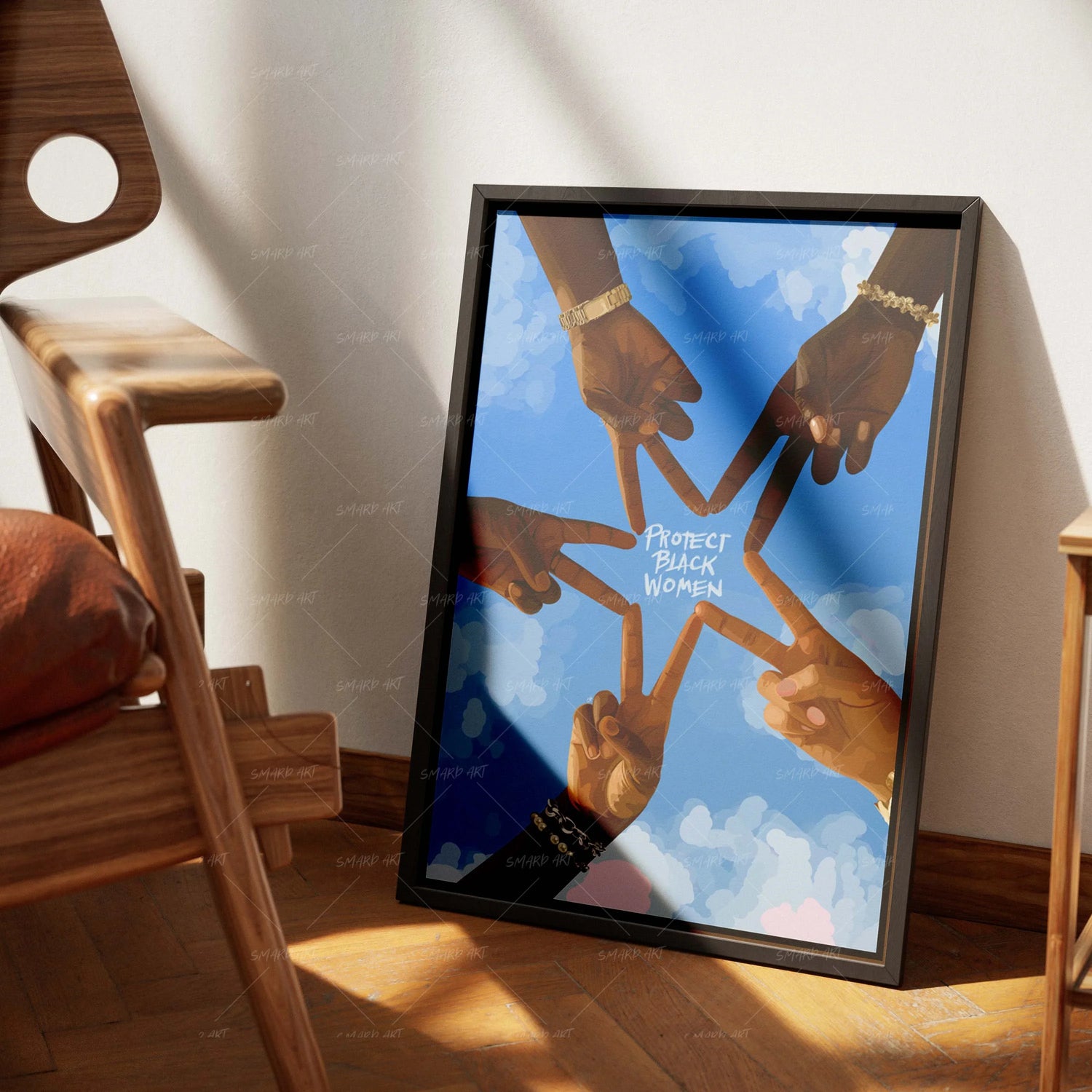
Most people think of wall art as background decoration — something that fills space but fades from attention. In reality, wall art silently shapes your daily experience, especially in the rooms where you spend the most time.
Living rooms, bedrooms, kitchens, and home offices aren’t just functional zones. They are emotional environments, and the art on the walls plays a major role in how those spaces feel and function.
1. The Living Room: Where Art Sets the Emotional Tone
The living room is often the emotional center of the home.
Wall art here influences:
- How relaxed guests feel
- Whether conversations flow
- How welcoming the space feels
Large-scale or black wall art provides a grounding focal point that subtly organizes the room. Smard.art pieces are often chosen for living rooms because they anchor furniture layouts and define social energy without overpowering the space.
2. The Bedroom: Art and Emotional Recovery
Bedrooms are about restoration. Visual overstimulation interferes with rest.
Effective bedroom wall art:
- Encourages calm
- Reduces mental noise
- Feels emotionally safe
Black wall art works especially well here, offering stability and restraint. Instead of energizing the room, it grounds it — helping the mind slow down at the end of the day.
3. The Kitchen and Dining Area: Subtle Energy Boosts
These spaces benefit from light energy rather than distraction.
Wall art here should:
- Complement movement and activity
- Add personality without chaos
- Reinforce warmth and routine
Smard.art designs allow homeowners to introduce meaningful art without overwhelming functional spaces.
4. The Home Office: Focus and Identity
Your work environment affects performance more than you realize.
Wall art in a home office should:
- Reinforce identity and confidence
- Reduce mental clutter
- Encourage focus rather than distraction
Black wall art offers structure and clarity, helping define a professional yet personal atmosphere.

5. Hallways and Transitional Spaces: The Emotional Bridge
Often ignored, hallways shape how you transition between moods.
Well-placed wall art:
- Signals movement
- Creates narrative flow
- Prevents emotional drop-offs
These spaces are ideal for smaller, intentional Smard.art pieces that guide emotional continuity throughout the home.
Why Daily Exposure Matters
You don’t consciously analyze wall art every day, but your brain registers it.
Repeated exposure:
- Reinforces emotional patterns
- Shapes comfort levels
- Influences subconscious mood regulation
This is why intentional wall art matters more than people think.
Final Thought
Wall art is part of your daily rhythm. It shapes how you wake up, focus, relax, and connect. When chosen with intention, wall art transforms rooms from functional spaces into emotional environments. Smard.art helps ensure that transformation feels natural, grounded, and lasting.

Leave a comment
This site is protected by hCaptcha and the hCaptcha Privacy Policy and Terms of Service apply.