


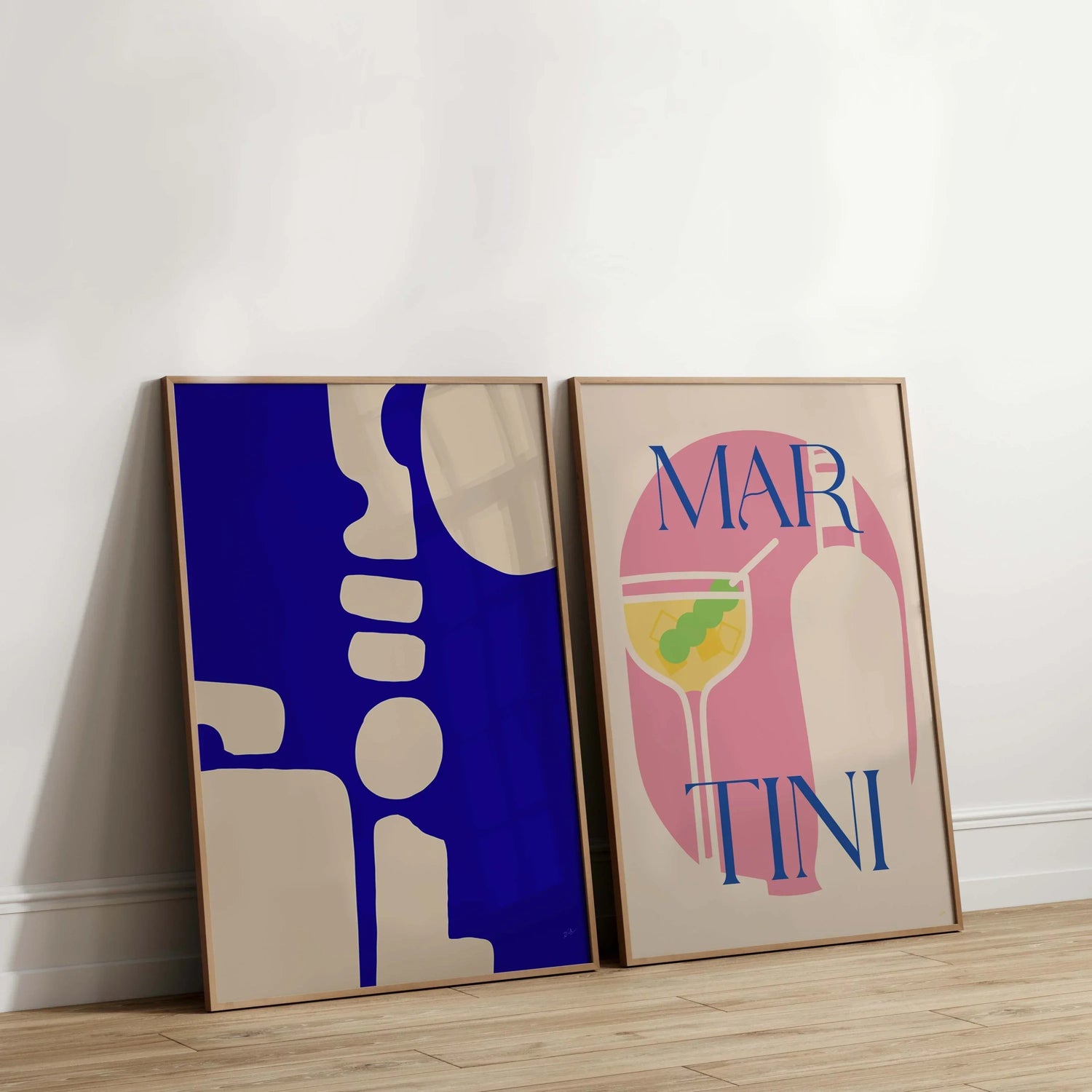
Wall art can define a room’s entire color palette. By strategically choosing artwork, you can create harmony, highlight key accents, and inspire complementary décor choices.
Start With a Dominant Color
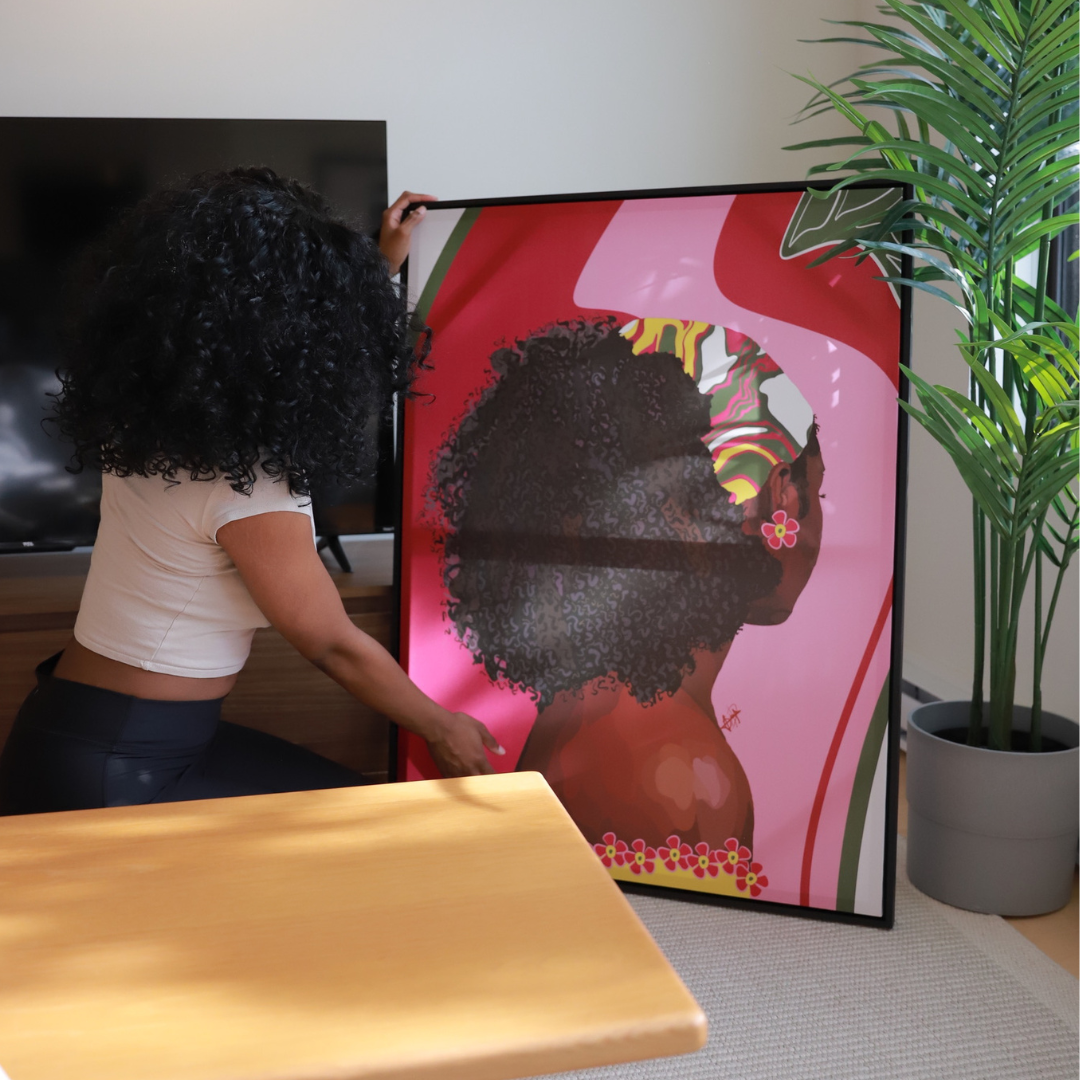
Pick a piece of art with a color that resonates with your vision. This can be bold, soft, or neutral. All other elements in the room—walls, furniture, and accessories—can then echo or complement this dominant tone.
Incorporate Secondary Colors
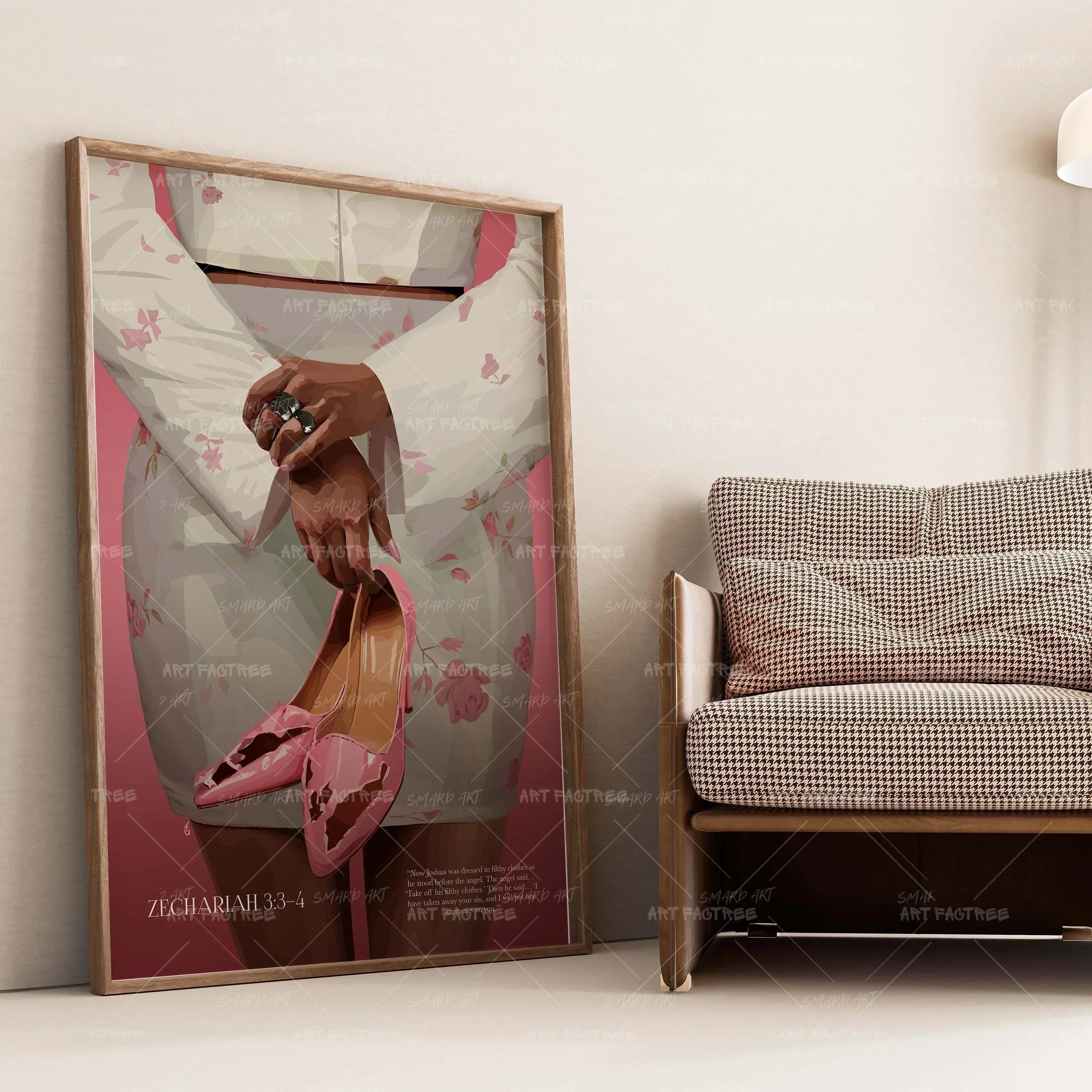
Choose one or two colors from the artwork to use as accents throughout the room. Pillows, rugs, and throws are great opportunities to reflect these tones, creating cohesion.

Balance With Neutrals
Neutral tones like white, gray, or beige provide breathing space and allow colorful art to stand out. They prevent the palette from feeling overwhelming.
Use Art as Inspiration for Furniture & Accessories
A wall painting can guide furniture choices, metallic finishes, and decorative items. Even small items like vases or lamps can tie into the palette for a polished look.
Art isn’t just decoration—it’s a design tool. By letting your wall art dictate the color story, you create a visually harmonious, intentional, and beautiful home.

Leave a comment
This site is protected by hCaptcha and the hCaptcha Privacy Policy and Terms of Service apply.