


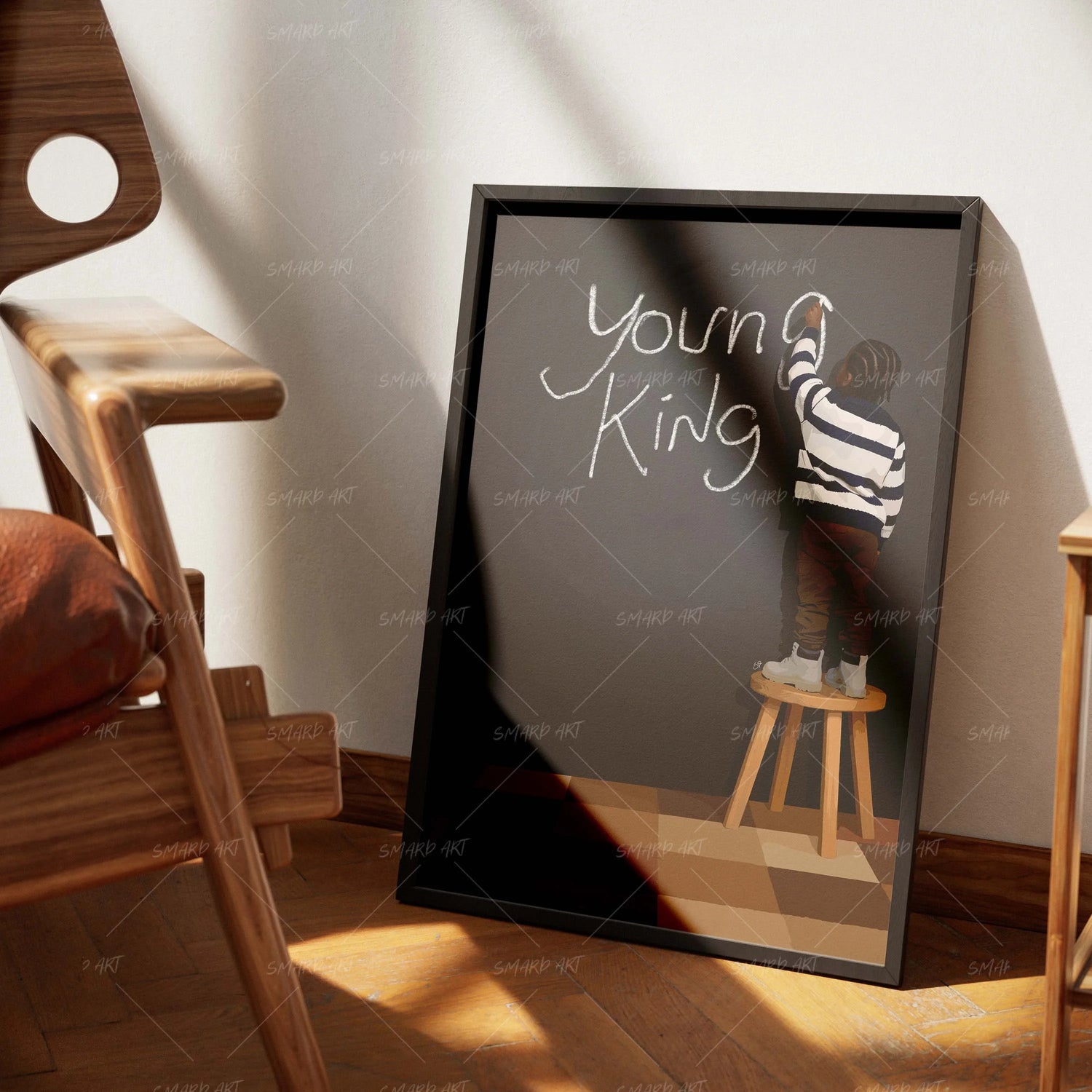
A gallery wall is one of the most effective ways to showcase multiple pieces of art while adding personality and depth to a space. Unlike a single artwork, a gallery wall allows you to tell a story through a curated collection of prints, photos, and designs. When done correctly, it can transform a plain wall into a striking focal point.
The first step in creating a gallery wall is choosing a theme. While it is possible to mix different styles, having a unifying element helps the arrangement feel cohesive. This could be a consistent color palette, similar subject matter, or matching frames. Without this sense of unity, the wall can quickly feel cluttered.
Planning the layout before hanging anything is essential. Many people find it helpful to arrange the pieces on the floor first. This allows you to experiment with different configurations and find a layout that feels balanced. Taking a photo of the arrangement can also serve as a guide when transferring it to the wall.
There are several layout styles to consider. A symmetrical grid layout creates a clean and organized look, making it ideal for modern or minimalist spaces. An asymmetrical layout, on the other hand, feels more relaxed and creative, allowing for variation in sizes and spacing.
Spacing is one of the most important aspects of a successful gallery wall. Consistent gaps between frames create a sense of order and professionalism. If the spacing is uneven, the arrangement can feel chaotic. A small, uniform gap usually works best for maintaining visual balance.
The focal point of the gallery wall should be clearly defined. This is often the largest or most eye-catching piece. Placing it at the center or slightly off-center helps anchor the entire arrangement and guide the viewer’s attention.
Frame selection plays a significant role in the overall look. Matching frames create a cohesive and polished appearance, while mixed frames add character and variety. Both approaches can work, depending on the style you want to achieve.
Scale and proportion are also important. Mixing different sizes adds visual interest, but the overall arrangement should still feel balanced. Larger pieces should be distributed evenly to avoid one side feeling heavier than the other.
Placement height should be considered carefully. The center of the gallery wall should generally be at eye level. This ensures that the artwork is comfortable to view and integrated into the room’s design.
Gallery walls are highly versatile and can be used in various spaces. In living rooms, they can serve as a main focal point. In hallways, they add interest and break up long walls. In bedrooms, they can create a personalized and intimate atmosphere.
Lighting enhances the impact of a gallery wall. Proper lighting highlights each piece and ensures that the entire arrangement stands out. Natural light works well during the day, while accent lighting can add warmth in the evening.
Personalization is what makes a gallery wall truly special. Including personal photos, meaningful quotes, or unique artwork adds character and makes the space feel authentic.
Ultimately, creating the perfect gallery wall is about balance and creativity. With careful planning and thoughtful arrangement, you can turn any wall into a visually engaging display.
A well-designed gallery wall not only enhances your décor but also tells a story—your story—making your space more inviting and uniquely yours.

Leave a comment
This site is protected by hCaptcha and the hCaptcha Privacy Policy and Terms of Service apply.