


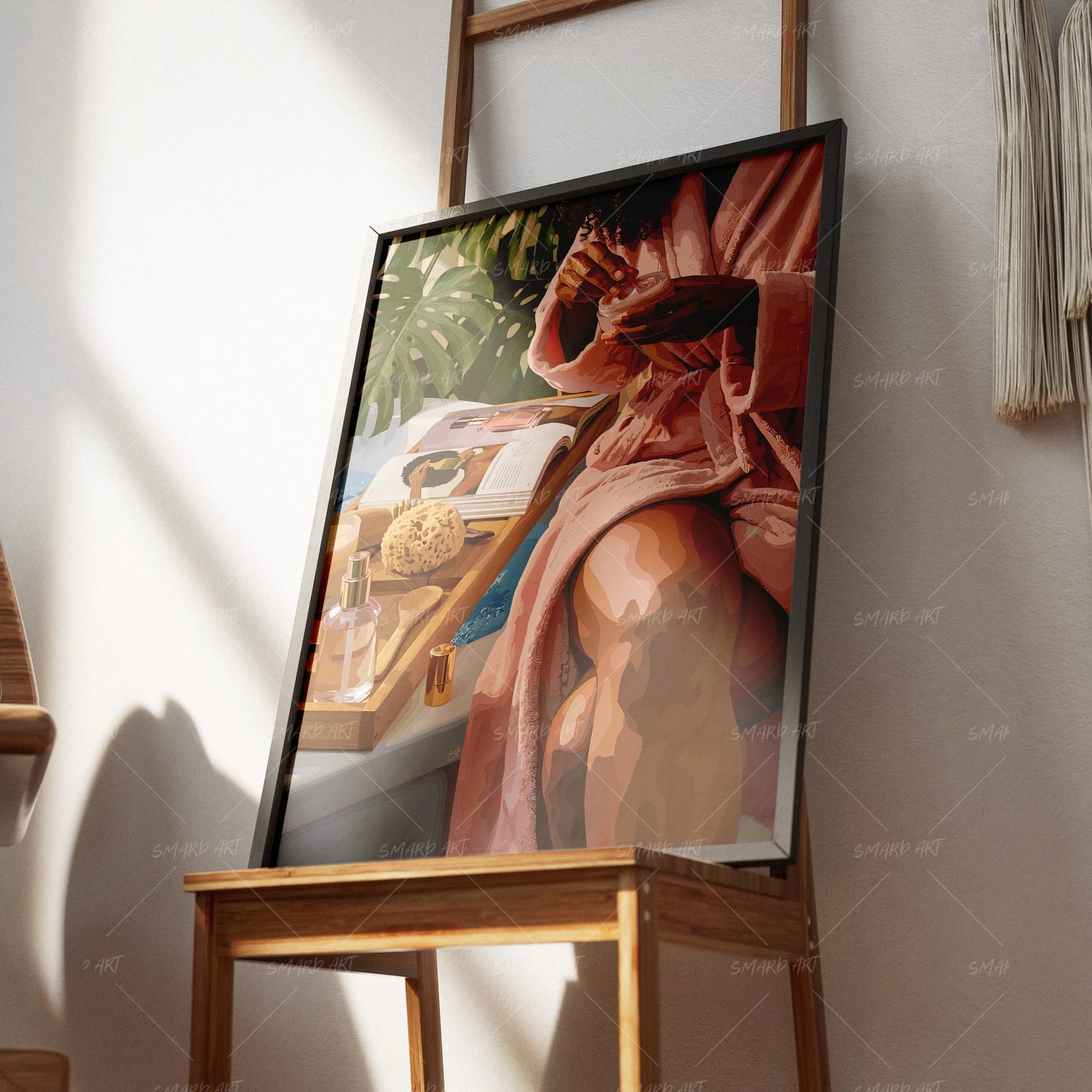
Open-concept spaces feel modern and spacious, but they can be difficult to decorate because everything is visible at once.
Wall art becomes essential in these spaces because it helps define areas while keeping the entire home visually connected.
Why Open Spaces Need Intentional Art
In open layouts:
- Rooms blend together
- There are no clear boundaries
- Design can feel scattered
Wall art helps:
- Define zones
- Create structure
- Maintain flow
How to Use Wall Art to Define Spaces
1. Anchor the Living Area
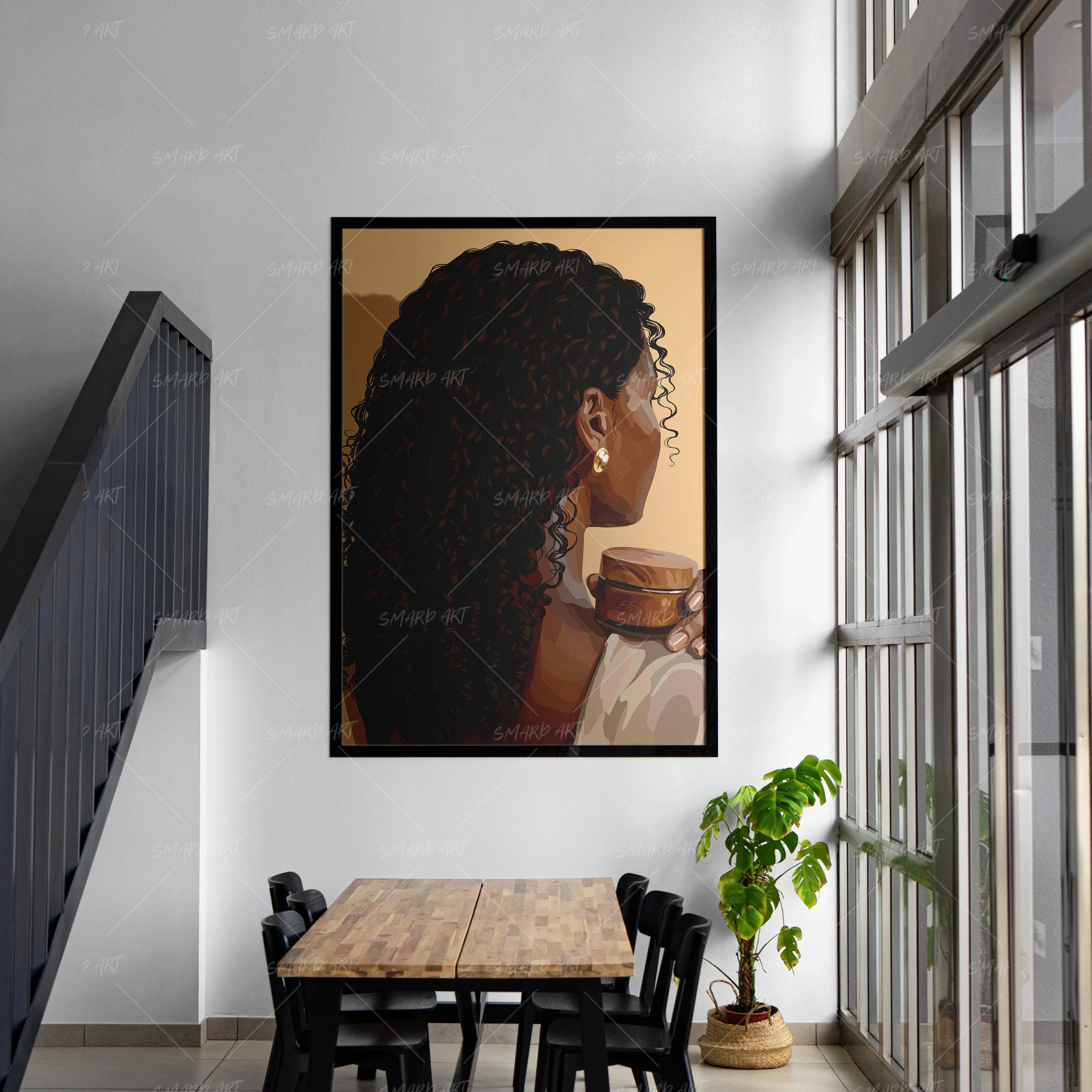
Use a statement piece above the sofa.
This creates:
- A clear focal point
- A sense of structure
- Visual balance
2. Maintain a Consistent Color Story
Use similar tones across different areas.
This helps:
- Connect spaces visually
- Avoid clashing styles
- Create harmony
3. Vary Size While Keeping Style Consistent
Use different sizes of artwork, but keep the style similar.
This:
- Adds variety
- Maintains cohesion
4. Guide Movement With Placement
Arrange artwork so the eye naturally moves through the space.
This creates:
- Flow
- Balance
- A cohesive layout
Best Wall Art Styles for Open Spaces
- Statement pieces
- Minimalist designs
- Cultural and expressive art
These styles create presence without clutter.
Avoid These Common Mistakes
- Mixing too many unrelated styles
- Overcrowding walls
- Ignoring scale
Why Smard Art Works in Open Spaces
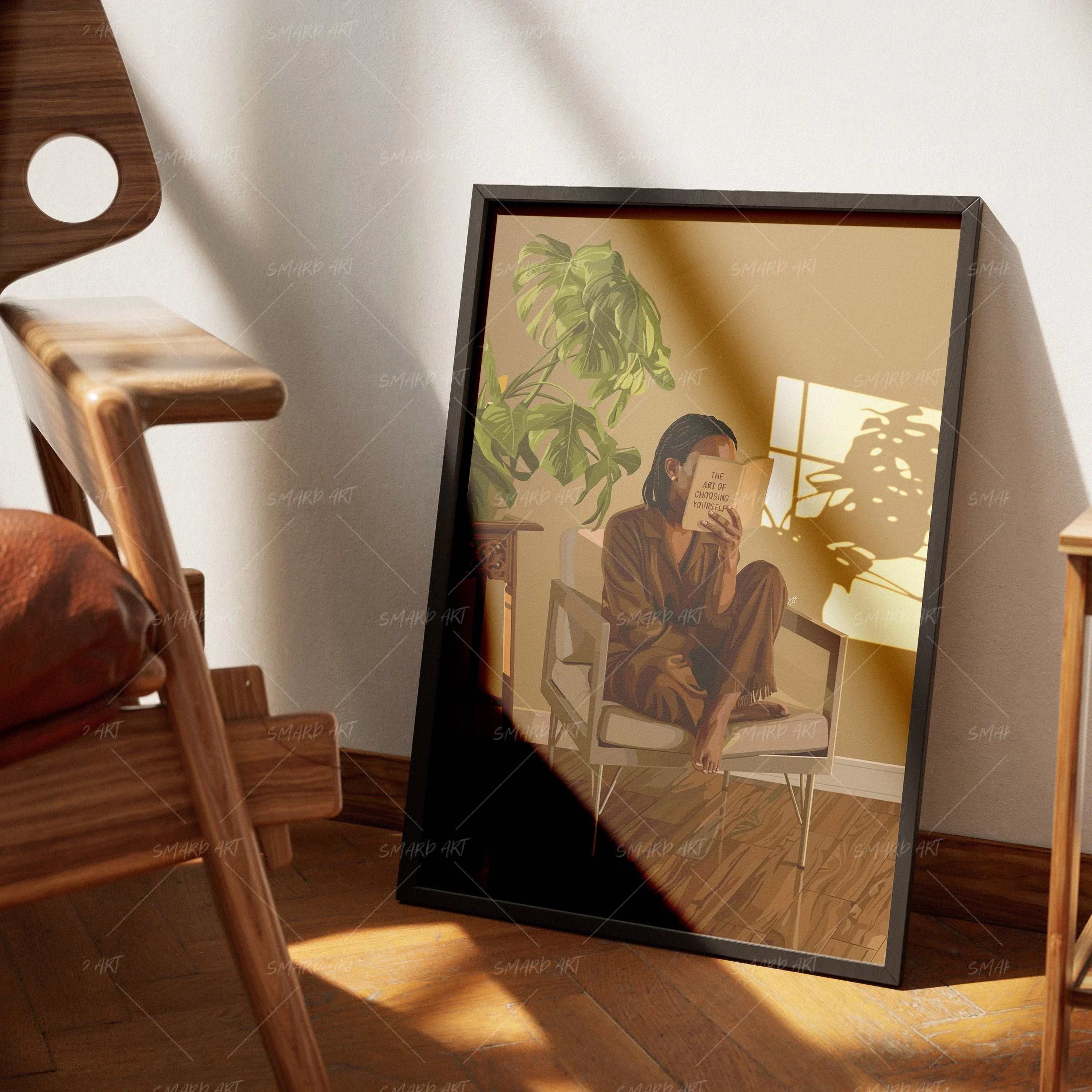
Smard Art pieces are designed to feel connected while still standing out, making them perfect for open layouts.
Final Thoughts
Open-concept spaces need connection, not clutter.
Wall art brings structure, flow, and personality into one unified design.

Leave a comment
This site is protected by hCaptcha and the hCaptcha Privacy Policy and Terms of Service apply.