


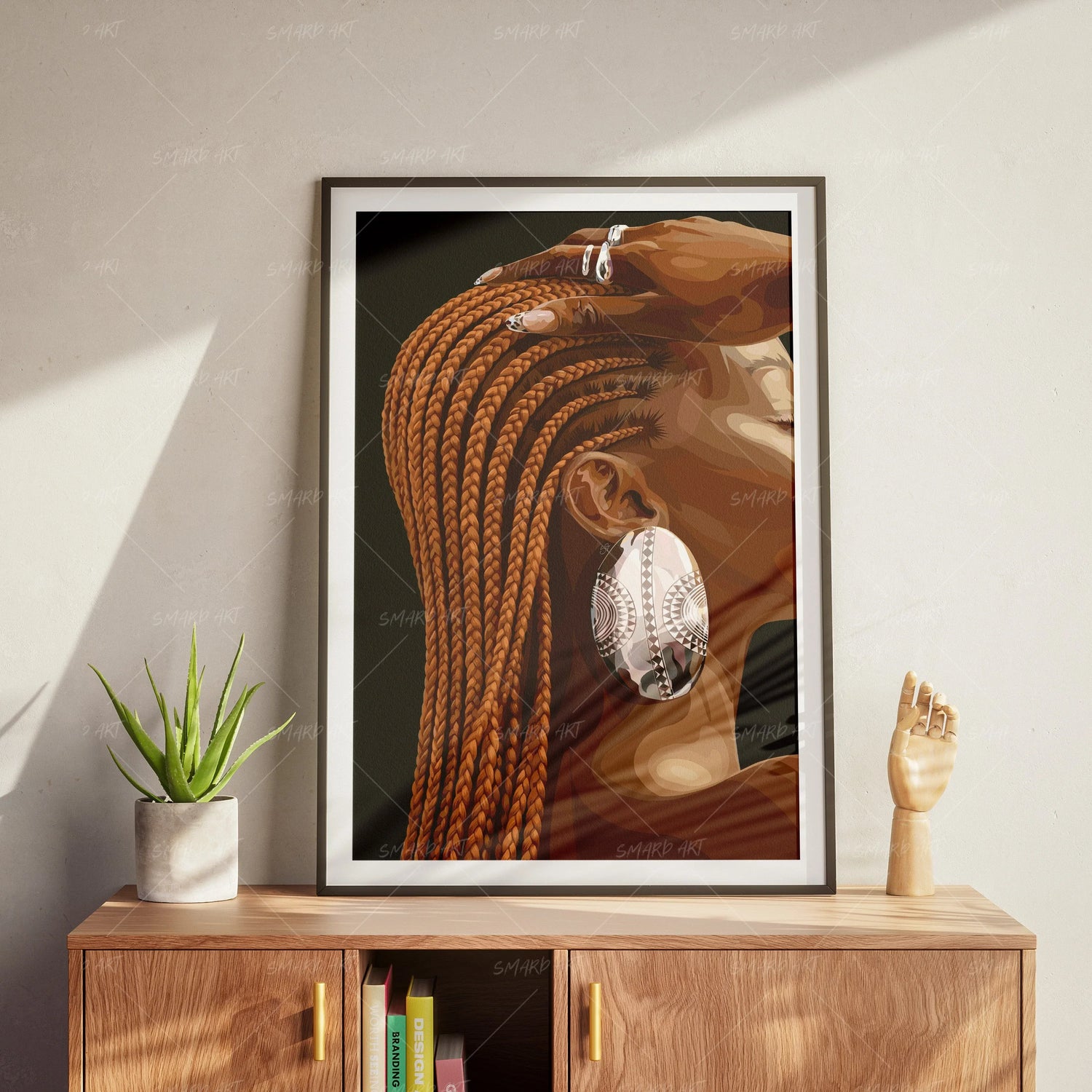
A living room can have beautiful furniture, good lighting, and even expensive decor—but still feel incomplete. In many cases, the issue isn’t the furniture at all. It’s the walls.
Empty walls create a visual gap that makes a space feel unfinished, cold, or lacking personality. The good news is that the right wall art can completely transform the room without requiring a full redesign.
Wall art doesn’t just decorate a living room. It creates structure, warmth, identity, and balance. It gives the room energy and makes the space feel intentional instead of temporary.
If your living room feels empty no matter what you add, wall art is often the missing piece.
Why Living Rooms Feel Empty
Most living rooms feel empty for one of three reasons:
- The walls are completely bare
- The artwork is too small
- There’s no visual focal point
Furniture alone rarely fills a space emotionally or visually. Walls make up a huge portion of the room, and when they’re ignored, the entire space feels incomplete.
This is why professionally designed living rooms almost always include intentional wall art.
How Wall Art Changes the Entire Room
The right wall art instantly:
- Creates a focal point
- Adds personality
- Brings color and balance
- Makes the room feel lived in
Even one piece can dramatically change the atmosphere of a space.
A living room with strong wall art feels:
- More complete
- More welcoming
- More expensive
- More intentional
The Best Wall Art Styles for Empty Living Rooms
1. Oversized Statement Pieces
One large artwork is often the most effective solution for empty walls.
Oversized wall art:
- Fills space quickly
- Creates visual impact
- Reduces the need for extra decor
This works especially well above sofas or on large feature walls.
Large statement pieces also create a luxury feel because they immediately command attention.
2. Cultural and Expressive Art
Art with emotional depth creates stronger connection within a home.
Culturally inspired wall art:
- Adds identity
- Tells a story
- Creates warmth and personality
This is one of the reasons modern homeowners are moving away from generic prints and choosing meaningful artwork instead.
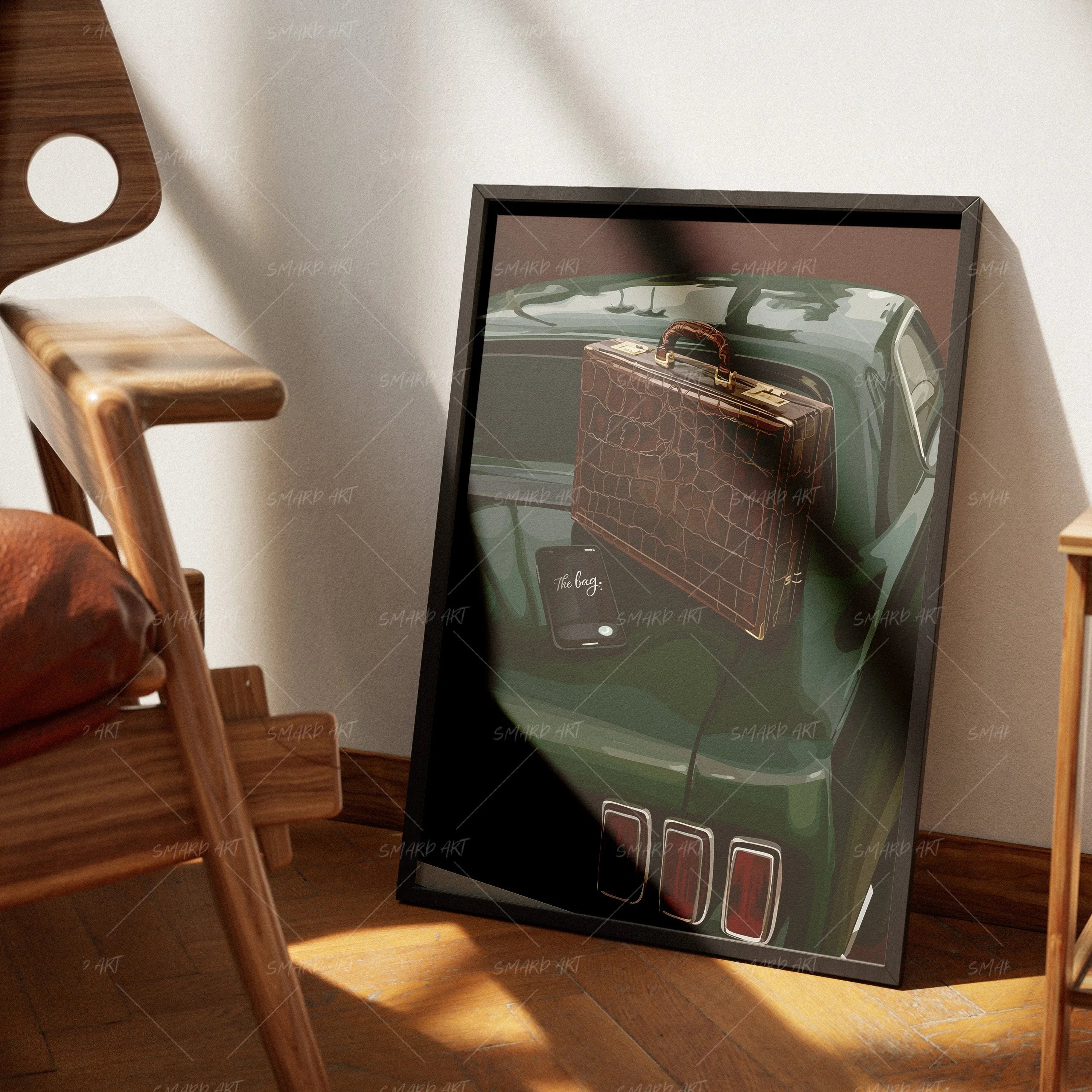
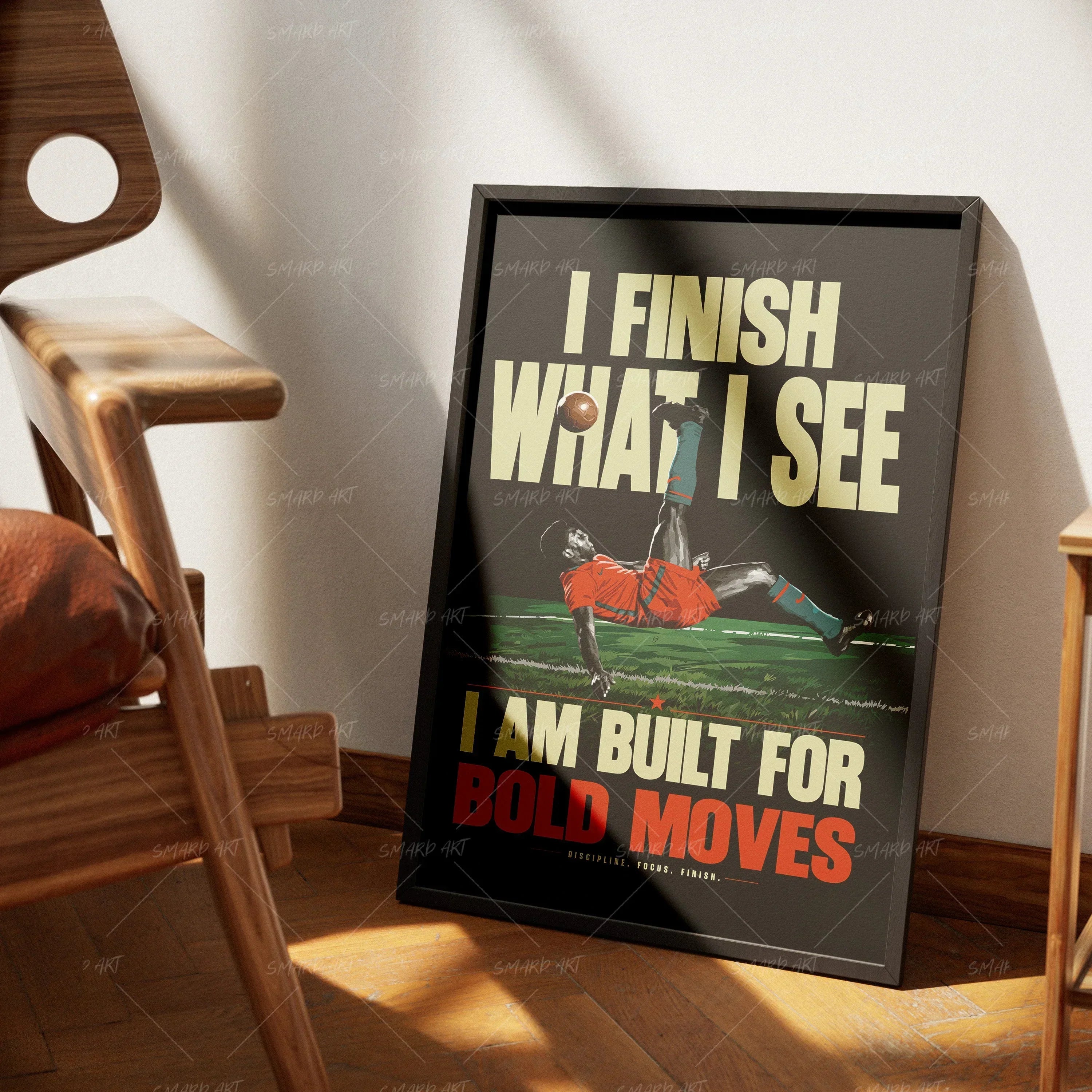
Smard Art pieces are especially effective because they combine modern aesthetics with cultural expression, helping spaces feel stylish and personal at the same time.
3. Neutral Artwork With Contrast
If your living room already has a calm or neutral palette, your wall art should add subtle contrast.
Neutral rooms benefit from:
- Black and white artwork
- Warm earth tones
- Soft abstract designs
This keeps the room balanced while still adding visual interest.
4. Gallery Walls
Gallery walls work well when done intentionally.
A successful gallery wall:
- Uses consistent spacing
- Maintains a cohesive color palette
- Includes a mix of sizes
The key is avoiding clutter. Too many unrelated pieces can make the room feel chaotic instead of complete.

Where to Place Wall Art in a Living Room
Above the Sofa
This is the most common placement because it naturally becomes the focal point of the room.
The artwork should:
- Be centered above the sofa
- Span roughly 60–75% of the sofa width
- Sit 6–10 inches above the furniture
This creates visual balance.
Large Empty Walls
Large blank walls need scale.
Instead of multiple tiny pieces:
- Use one oversized artwork
- Or create a structured gallery arrangement
This prevents the wall from feeling scattered.
Entry Side of the Living Room
If your living room opens directly into an entryway, artwork near the entrance creates an immediate sense of warmth and style.
Choosing the Right Colors
Color affects how your living room feels.
Warm Tones
Colors like:
- Beige
- Brown
- Terracotta
- Soft gold
Create warmth and comfort.
Bold Contrasts
Deep blacks, rich browns, and bold portrait artwork create stronger visual impact.
These work especially well in modern spaces.
Soft Neutrals
If you want a calm and minimal look:
- Creams
- Whites
- Light greys
Help maintain openness while still adding style.
Common Mistakes That Keep Living Rooms Feeling Empty
1. Choosing Art That’s Too Small
This is the biggest mistake.
Tiny artwork disappears on large walls and makes the room feel disconnected.
When in doubt:
- Go larger
Large artwork almost always looks more intentional.
2. Hanging Art Too High
Artwork should feel connected to the furniture below it.
When hung too high:
- The wall feels disconnected
- The room loses balance
3. Overdecorating
Trying to fill every wall can make the space feel cluttered instead of complete.
Focus on:
- One strong focal point
- Balanced placement
- Clean spacing
4. Choosing Generic Art
Generic artwork often lacks emotional impact.
Meaningful pieces create stronger connection and make your home feel more personal.
How Lighting Enhances Wall Art
Lighting changes everything.
Good lighting:
- Highlights artwork
- Adds depth and warmth
- Makes the room feel more luxurious
Warm lighting works especially well in living rooms because it creates comfort and softness.
Why Smard Art Works for Empty Living Rooms
Smard Art pieces are designed to bring presence into a room.
The combination of:
- Bold composition
- Cultural depth
- Modern styling
Makes the artwork feel intentional and emotionally engaging rather than simply decorative.
This helps transform empty living rooms into spaces that feel complete and lived in.
Final Thoughts
An empty living room usually isn’t missing more furniture—it’s missing visual connection.
Wall art creates that connection. It fills emotional and visual gaps, making the room feel warmer, more balanced, and more complete.
The right artwork doesn’t just sit on the wall. It changes how the entire space feels.
Transform your living room with bold, meaningful wall art designed to make a statement: Explore Smard Art Collection

Leave a comment
This site is protected by hCaptcha and the hCaptcha Privacy Policy and Terms of Service apply.