


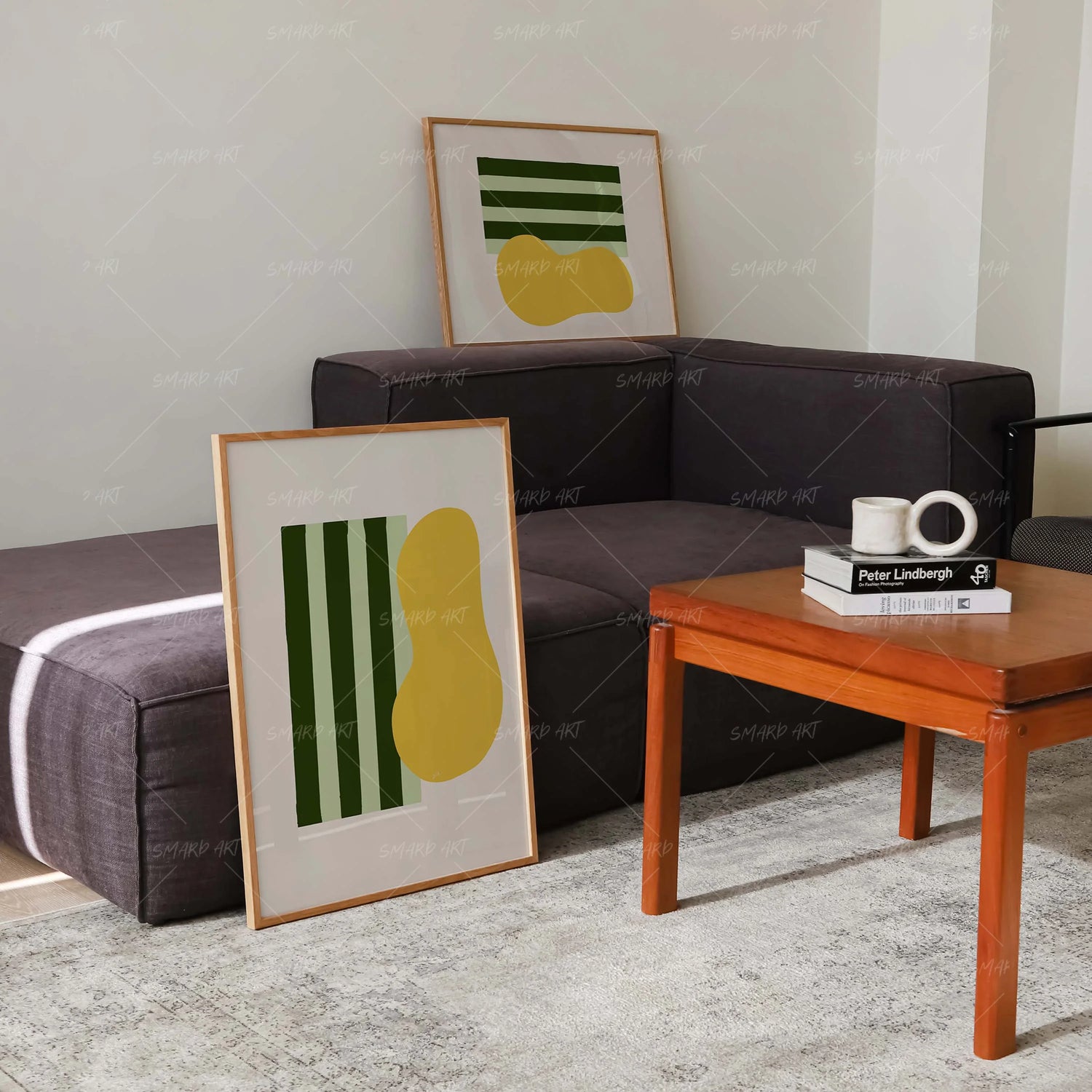
Abstract wall art is one of the most versatile forms of décor, capable of transforming any room with its bold shapes, colors, and textures. Unlike representational art, which depicts recognizable objects, abstract art focuses on form, color, and emotion, making it a perfect choice for homeowners looking to make a statement.
One of the biggest advantages of abstract wall art is its flexibility. Because it doesn’t rely on a specific subject, it can complement almost any design style—from modern and minimalist to eclectic and contemporary. This makes it ideal for living rooms, bedrooms, offices, and even hallways.
When choosing abstract art, color is one of the most important factors. Bold, contrasting colors can create energy and vibrancy, while softer, muted tones promote calm and balance. Consider your room’s color palette to ensure the artwork harmonizes with the existing décor.
Size matters with abstract pieces. Large-scale artworks often serve as a focal point, creating drama and interest in a room. Smaller pieces work well in clusters or gallery arrangements, adding dimension without overwhelming the space.
Texture adds depth to abstract wall art. Canvas pieces, layered designs, and mixed media create a three-dimensional feel that engages the eye. This is especially useful in minimalist spaces where texture can prevent the room from feeling flat.
Abstract wall art also allows for personal interpretation. Each viewer may see something different, making it a conversation starter. This unique quality adds intrigue and sophistication to any room.
Framing is another consideration. While many abstract pieces look stunning as stretched canvas without a frame, framed prints can add structure and polish, depending on your interior style.

Lighting plays a significant role in enhancing abstract artwork. Proper lighting highlights textures and colors, ensuring the piece captures attention while complementing the room’s ambiance.
Abstract art is also highly adaptable for mixed gallery walls. You can combine different sizes, shapes, and color palettes to create a dynamic and visually engaging display. The key is maintaining balance and cohesion.
For those on a budget, digital downloads and DIY abstract art are excellent options. Printing your own abstract designs or experimenting with paint can produce high-impact pieces without overspending.
Finally, abstract wall art provides an opportunity to express personality and taste. The artwork you choose reflects your style, mood, and creativity, making your space feel unique and intentional.
In conclusion, abstract wall art is a powerful design tool that can transform a room. With thoughtful selection in color, size, texture, and placement, it elevates your home, adding both visual interest and a personal touch.

Leave a comment
This site is protected by hCaptcha and the hCaptcha Privacy Policy and Terms of Service apply.