


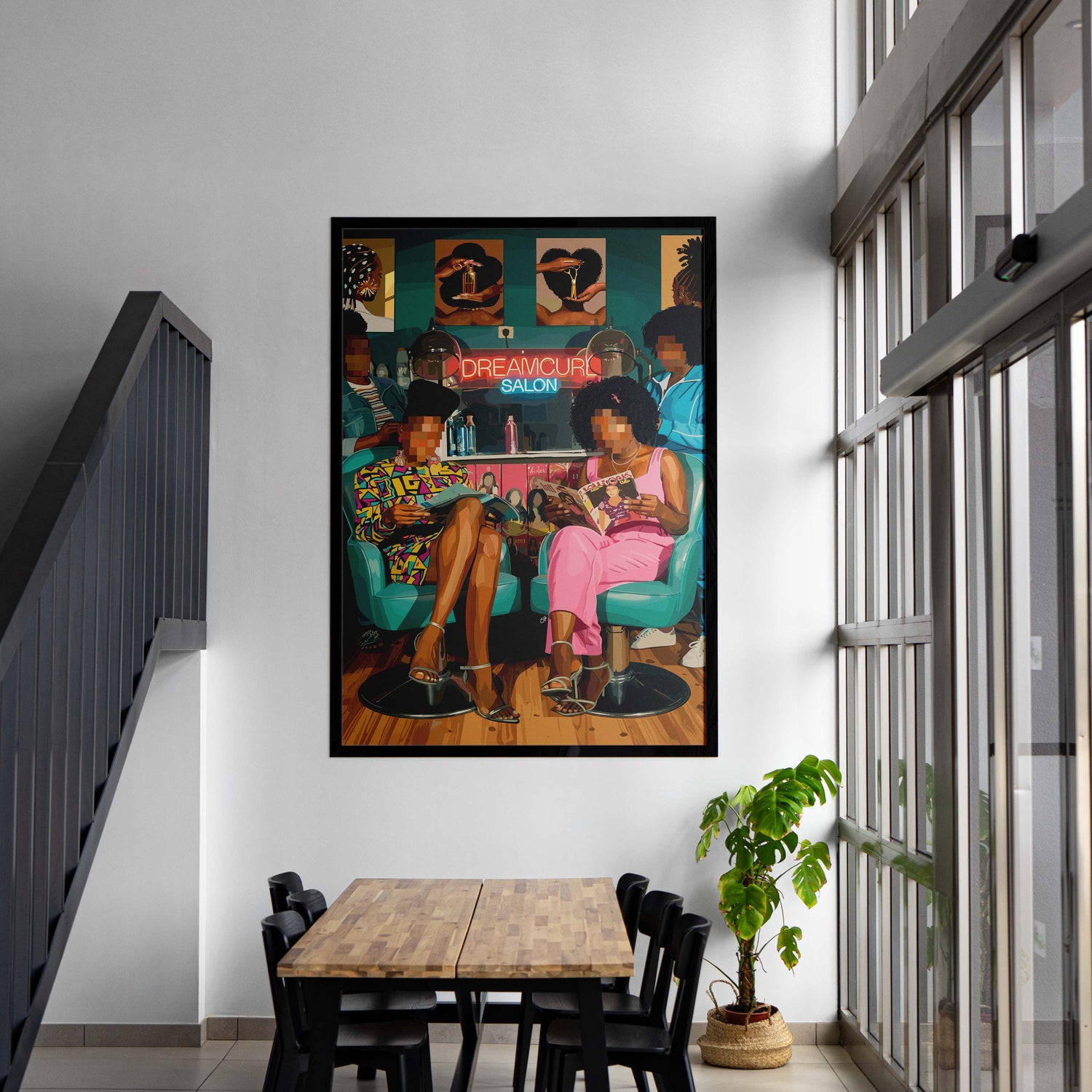
A home is more than a place to live. It is where values are modeled, memories are formed, and identity is shaped. Within Black households especially, the home has long served as a site of cultural preservation — a place where stories are passed down, resilience is reinforced, and history is remembered.
One of the most powerful tools for preserving that legacy is Black History wall art.
Not because it is decorative — but because it is deliberate.
1. Walls Become Storykeepers
Before children can read, they see.
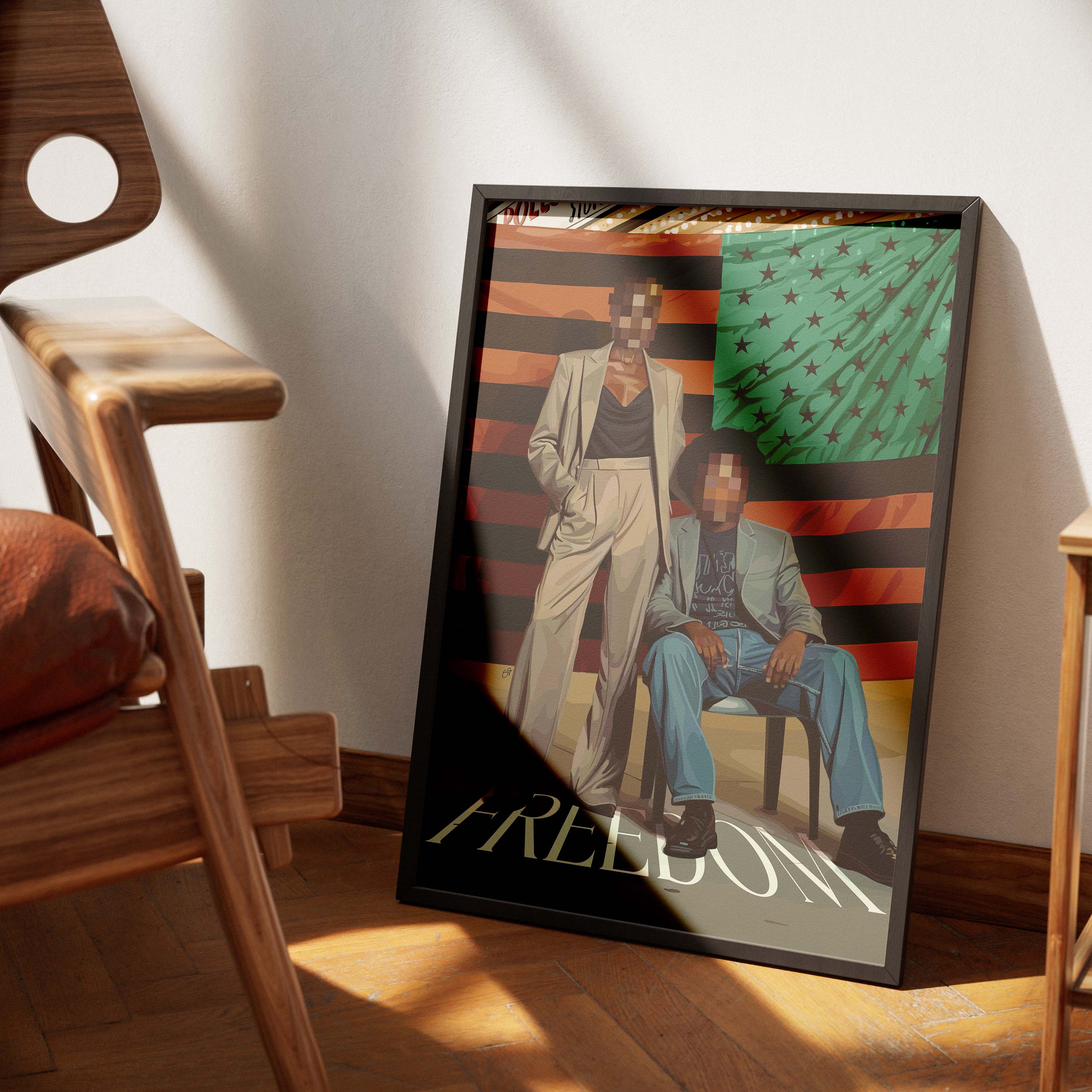
Portraits, symbols, and quotes on the walls become their earliest history lessons. A framed image of a leader, an Afrocentric symbol, or a powerful quote prompts curiosity.
“Who is that?”
“What does this mean?”
“Why is this important?”
These moments turn walls into storykeepers — silent prompts that invite storytelling.
Legacy begins with visibility.
2. Cultural Pride Is Reinforced Daily
Pride is not taught once. It is reinforced over time.
When Black wall art is present in everyday spaces — living rooms, hallways, bedrooms — it normalizes cultural pride.
It says:
“Our history matters here.”
“Our story belongs on these walls.”
“Our identity is not hidden.”
This daily reinforcement shapes confidence and self-worth, especially for children and young adults.
3. Legacy Is Passed Without Formal Lessons
Not every lesson needs a lecture.
Black History wall art works quietly, shaping perception through repetition. Children grow up surrounded by imagery that reflects excellence, resilience, and creativity.
Over time, those visuals become internalized.
Legacy is passed organically — not as obligation, but as atmosphere.

4. Homes Become Intergenerational Bridges
Art creates conversation across generations.
Grandparents explain symbols.
Parents share stories.
Children ask questions.
This exchange keeps history alive in personal ways that textbooks cannot replicate.
Black History wall art supports oral tradition by giving it visual anchors.
5. Representation Counters Erasure
History is often selectively told.
By choosing what hangs in the home, families reclaim narrative control.
Black wall art counters invisibility by making history unavoidable — not confrontational, but present.
It ensures legacy is preserved on your terms.
6. Identity Is Anchored Through Environment
In a world where external messaging can dilute or distort identity, the home becomes a sanctuary.
Cultural art anchors identity visually, reminding residents who they are and where they come from.
Legacy does not need to shout.
It only needs to remain.
Beyond February: Legacy Has No Expiration
Black History Month may prompt reflection, but legacy lives year-round.
When art remains visible beyond February, it reinforces continuity rather than celebration alone.
Legacy is not seasonal.
It is sustained.
Final Reflection
Black History wall art preserves legacy not by preserving the past — but by keeping it present.
In homes where walls tell stories, identity stays rooted, memory stays alive, and history continues forward.
Legacy doesn’t fade when it is framed.

Leave a comment
This site is protected by hCaptcha and the hCaptcha Privacy Policy and Terms of Service apply.