


Family photographs make a home personal in a way almost nothing else can.
They document people, relationships, celebrations, ordinary days, places you've lived, and moments that may never happen in exactly the same way again.
But displaying them can become surprisingly complicated.
Should every family photo go into one gallery wall? Can professional artwork hang beside personal photography? Should all the frames match? What happens when some photographs are colorful, others are black and white, and the artwork in the room has a completely different style?
The solution isn't to separate "real art" from personal photographs.
A home can hold both.
In fact, combining family photography with contemporary wall art often creates a more interesting interior because the room begins to reflect both personal history and visual taste.
The key is not making everything match.
It is giving different pieces enough structure and space to belong together.
Stop Treating Family Photos as a Separate Decorating Category
Many homes have an invisible rule.
Artwork goes in the living room.
Family photographs go upstairs, along the hallway, or on a dedicated "family wall."
There is nothing wrong with creating a family gallery wall, but you don't have to separate personal photography from the rest of your art.
A photograph can be part of the visual composition of a room just like a print, painting, or illustration.
The difference is that it carries a history that no purchased artwork can reproduce.
When family photographs are integrated throughout the home, they tend to feel less like a display and more like part of everyday life.
You Don't Need to Display Every Photograph
Meaningful doesn't automatically mean it needs to be framed.
This is especially important in the age of digital photography.
Families may have hundreds or thousands of images from birthdays, graduations, vacations, weddings, holidays, and everyday moments.
Trying to represent every important event on the wall quickly becomes overwhelming.
Choose photographs for more than documentation.
Look for images that make you feel something.
Perhaps someone's expression captures their personality perfectly. Maybe the photograph reminds you of an ordinary afternoon rather than a major occasion.
A smaller, more thoughtful selection often feels more personal than a wall trying to summarize an entire family history.
Mix Professional Photos With Everyday Moments
A home doesn't need to look like a portrait studio.
Professional family photography can be beautiful, but candid images often bring a different kind of warmth.
A formal wedding portrait can sit near a spontaneous photograph from a family gathering.
A beautifully composed family picture can share a wall with an imperfect photograph that happens to hold an important memory.
The contrast makes the collection feel human.
Not every photograph needs identical lighting, clothing, or composition.
Life doesn't.
Use One Larger Piece to Anchor a Mixed Gallery Wall
When family photographs and artwork are similar in size, a gallery wall can sometimes feel visually scattered.
One larger piece can provide structure.
That anchor might be a family photograph, but it could just as easily be a piece of contemporary art.
The smaller frames can then develop around it.
The anchor gives your eye somewhere to begin.
This becomes especially useful when mixing different subjects and styles because the wall no longer asks every piece to carry equal visual weight.
Contemporary Art Can Make Family Photos Feel Less Formal
A collection made entirely from posed family portraits can sometimes feel formal, particularly when every photograph uses the same framing and presentation.
Contemporary art introduces another energy.
An expressive illustration, abstract composition, fashion piece, or cultural artwork can break the rhythm and make the display feel more collected.
The artwork doesn't reduce the importance of the photographs.
It creates context around them.
Your family becomes part of a broader visual story rather than the wall functioning only as a record of portraits.
Black Wall Art Can Create a Natural Cultural Connection
For many families, the most meaningful home decor is not only personal but cultural.
Contemporary Black wall art can create a powerful relationship with family photography because both can speak to identity in different ways.
A family photograph documents specific people.
Artwork inspired by Black family, relationships, fashion, faith, music, food, leisure, creativity, or everyday experiences can speak to a broader shared culture.
Placed together, the two can create a layered story.
A photograph of your own family may sit beside artwork celebrating Black love. A portrait of relatives can share a wall with imagery reflecting Black beauty or everyday life.
The connection doesn't have to be literal.
It simply needs to feel meaningful to the people living there.

Frames Don't Have to Match Exactly
Matching frames can create a clean, structured look.
They are not required.
In fact, mixing frames can make a family-and-art collection feel more organic.
The easiest approach is to repeat a few finishes rather than using every frame style imaginable.
Black frames might appear several times.
Natural wood can provide warmth.
A metallic frame could appear occasionally as an accent.
This creates variation without visual chaos.
The frames feel related, but the wall doesn't look like it came from a single boxed set.
Use Matting to Create Breathing Room
Family photographs often contain a lot of visual information.
Faces, clothing, backgrounds, landscapes, buildings, and other details can make several photographs placed together feel busy.
Matting gives the images breathing room.
A generous white or neutral mat can visually separate the photograph from the frame and surrounding pieces.
It can also make photographs of different sizes feel more substantial.
This is particularly helpful when combining personal photos with contemporary prints that already contain more negative space.
Black-and-White Photography Can Simplify a Busy Collection
If your family photographs contain many competing colors, converting selected images to black and white can create visual calm.
This isn't necessary for every gallery wall.
Color photographs can be beautiful and emotionally vivid.
But black-and-white photography is useful when you want photographs taken in different places and years to feel more connected.
It also pairs easily with colorful artwork.
A vivid contemporary print can become the visual focal point while monochrome photographs provide quieter supporting moments.
Don't Convert Everything to Black and White Just for Cohesion
Visual consistency isn't always worth losing something important.
Sometimes the color is part of the memory.
The bright clothing from a celebration, the blue water behind a vacation photograph, or the colors of a family home may contribute to why you love the image.
If converting the photograph removes some of its emotional character, keep the color.
There are other ways to create cohesion.
Frames, spacing, mats, wall color, and surrounding artwork can do the job.
Use Color Photographs as Part of the Room's Palette
Family photos can participate in the color story of a room without being selected purely because they match.
Suppose a photograph contains warm brown, green, and cream tones.
Those colors may naturally relate to the wood furniture, plants, or textiles already in the room.
Another photograph may introduce a small amount of red that connects with nearby artwork.
These relationships don't need to be planned precisely.
Often, simply noticing them helps you understand why one photograph feels particularly good in a certain room.
Spacing Matters More When the Images Are Detailed
The more visual information each piece contains, the more useful breathing room becomes.
Family photography often includes detailed backgrounds and multiple faces. Contemporary artwork may have its own strong colors and subjects.
Packing everything tightly together can make it difficult for the eye to appreciate individual pieces.
Slightly more generous spacing can help.
The exact distance matters less than consistency and overall balance.
Step back frequently while arranging the wall.
You are creating one composition from several individual stories.
A Gallery Wall Doesn't Have to Be Perfectly Symmetrical
Symmetrical grids work beautifully when you want a formal, architectural appearance.
But they aren't the only way to display family photos.
A looser gallery wall can accommodate different photograph orientations, artwork sizes, and frame shapes.
The key is maintaining enough visual structure that the arrangement still feels intentional.
You might align certain edges.
Perhaps the overall shape remains roughly rectangular.
One larger anchor can stabilize smaller pieces.
A collected arrangement can feel organized without becoming mathematically perfect.

Mix Close-Up Portraits With Wider Scenes
A wall containing only close-up faces can become visually intense.
Introduce variety.
A family portrait might sit beside a photograph showing people within a landscape. A childhood photo can share the wall with an image of a meaningful place.
Artwork can provide another kind of visual pause.
This change in perspective gives the eye different experiences as it moves across the collection.
The wall becomes a story rather than a sequence of headshots.
Include Places That Matter to Your Family
Personal photography doesn't have to show people.
The house where you grew up, a neighborhood, a city, a landscape from a meaningful trip, or a place connected to family history can be just as personal as a portrait.
These images also mix beautifully with artwork because they introduce another type of subject.
A photograph of a meaningful place can sit near culturally inspired art without competing for attention.
It expands the definition of what a "family wall" can be.
Family Photos Can Work Outside the Living Room
You don't have to concentrate every photograph in one place.
A bedroom can hold a quiet family image.
A hallway may be ideal for a larger collection because people experience it gradually while moving through the home.
A home office can include a photograph that has personal meaning without becoming the main focal point on video calls.
Even an entryway can feature one photograph that immediately makes the home feel inhabited.
Spreading photographs thoughtfully throughout the home often makes them feel more natural.
Keep Some Rooms Quieter
Not every room needs personal photography.
If the living room already contains a large mixed gallery wall, the dining room may benefit from one substantial artwork instead.
A bedroom with several photographs may not need another collection above the bed.
Variation creates rhythm throughout the home.
Some walls can tell detailed stories.
Others can simply hold one beautiful piece.
Consider What Guests See and What You Want to Keep Private
Family photography can be deeply personal.
You don't have to display every meaningful image in a public area of the home.
Some photographs may feel better suited to a bedroom, private hallway, or personal office.
Others may naturally belong in living and dining areas.
There is no design rule that determines this.
Choose based on comfort.
A home can be personal without making every memory public.
Don't Forget About Children's Artwork
Family storytelling doesn't have to rely entirely on photographs.
Children's drawings and paintings can become part of a mixed art collection when displayed intentionally.
A favorite drawing can be framed rather than attached temporarily to a wall.
Placed beside family photography and contemporary art, it can contribute something completely unique.
You don't need to preserve every piece forever.
Rotate the display as new work appears.
This allows the home to evolve alongside the family.
Avoid Turning Every Surface Into a Photo Display
When wall space runs out, family photographs often migrate to consoles, shelves, bedside tables, desks, and kitchen counters.
A few framed photos can feel warm.
Too many can make every surface visually busy.
If photographs already play a significant role on your walls, allow some furniture surfaces to remain quieter.
This gives both the room and the images more breathing space.
You don't have to see every photograph simultaneously for it to matter.
Create a Collection That Can Grow
Families change.
Children grow.
New relationships begin.
New trips happen.
New photographs become important.
Avoid designing a gallery wall so rigidly that adding anything feels impossible.
A slightly organic layout can evolve more easily than a tightly structured grid.
You can also rotate photographs inside existing frames.
This allows the wall to change without constantly adding more pieces.
Your family story isn't finished.
Your display doesn't need to pretend it is.

Where Smard Art Fits With Family Photography
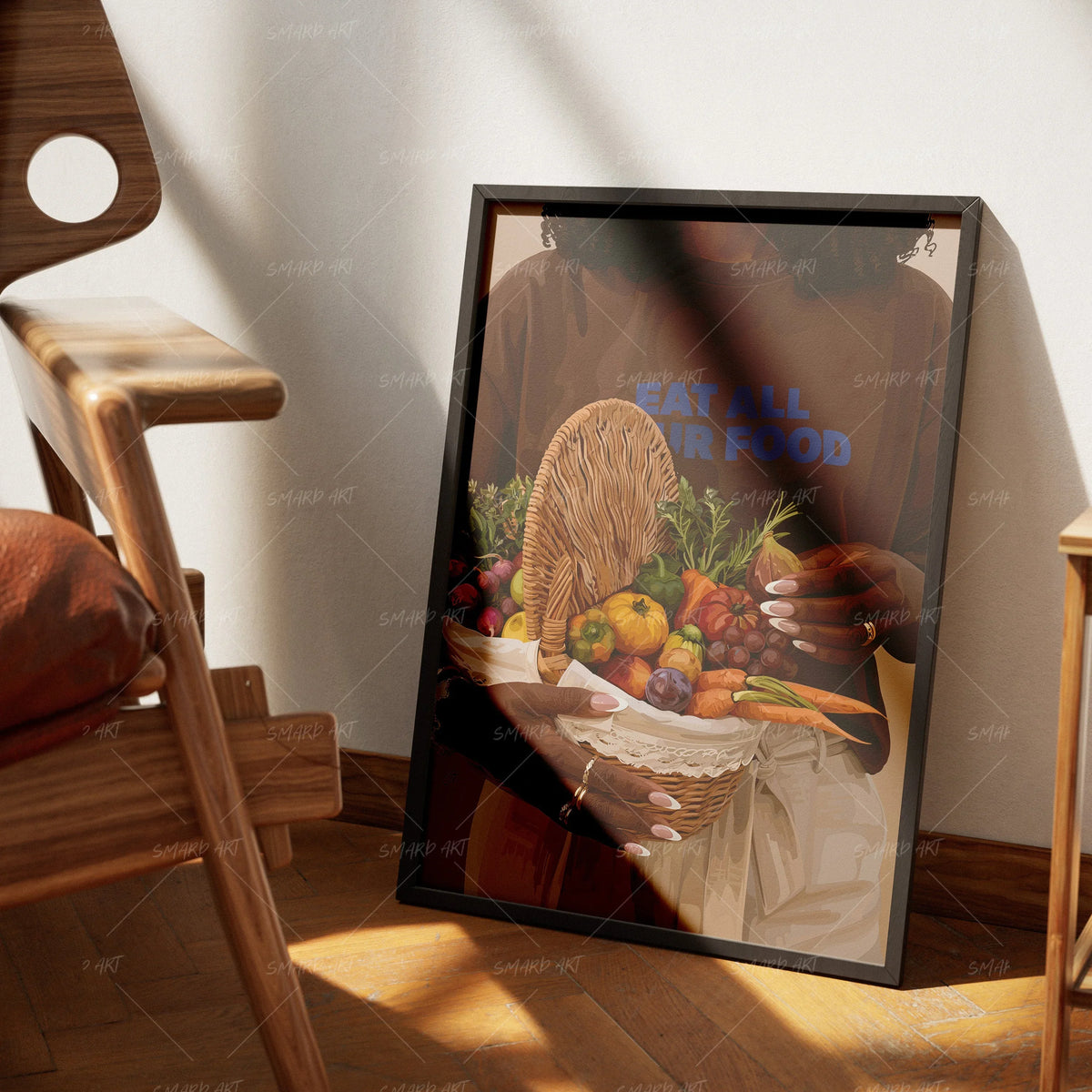
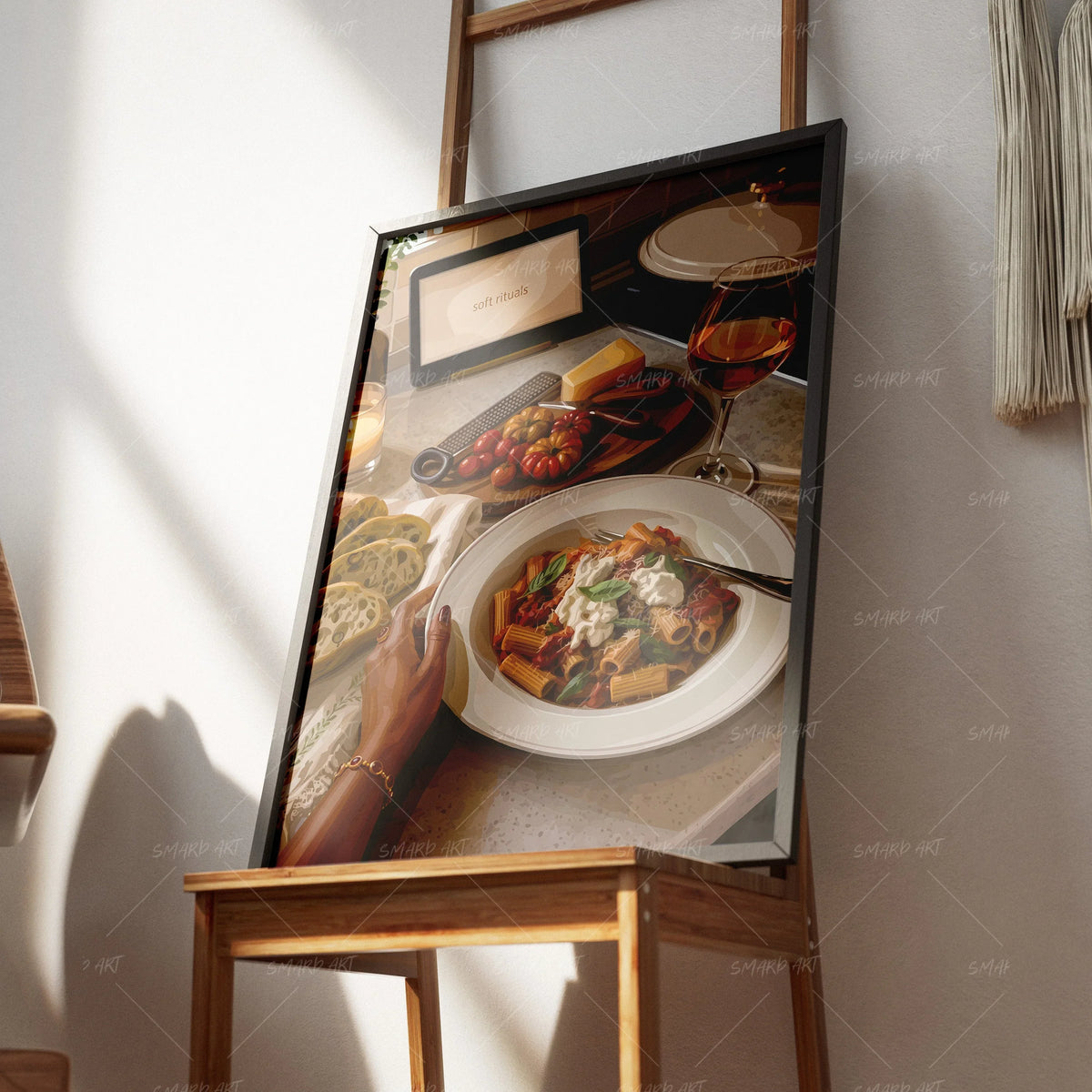
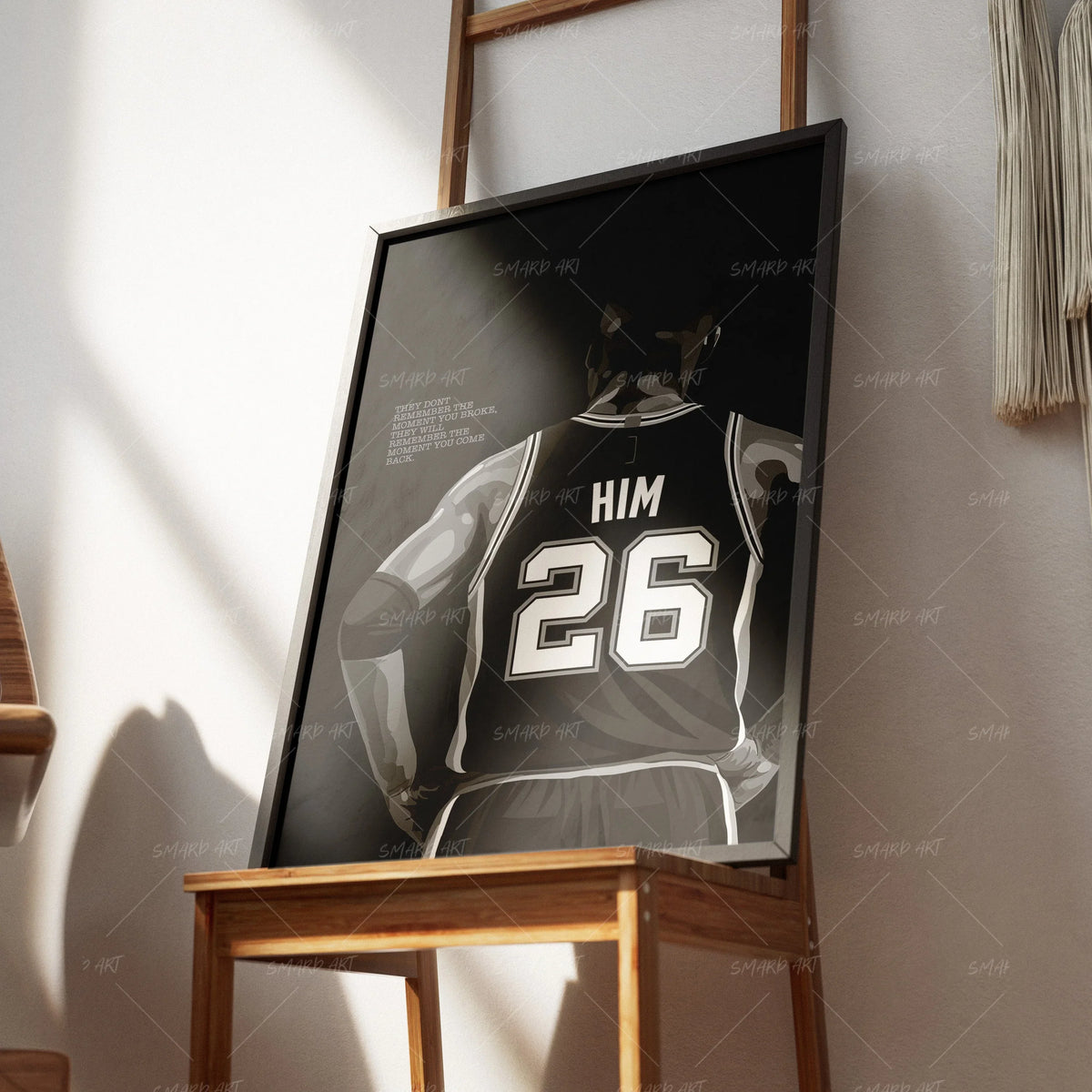
Smard Art creates contemporary wall art inspired by Black culture and everyday experiences, including family, relationships, fashion, faith, food, music, sports, leisure, and creativity.
These themes can sit naturally beside personal photography because both are ultimately connected to lived experience.
A Black family photograph beside art celebrating Black relationships can create an emotional connection without becoming overly literal.
Fashion-inspired artwork can bring a different energy to a wall containing formal portraits. Music, food, or leisure-themed pieces can reflect shared family interests and memories.
The goal isn't to use artwork as filler between photographs.
Choose pieces you would want to own even if the photographs weren't there.
That is what makes the final collection feel genuine.
Final Thoughts
Family photographs and wall art don't need separate parts of the house.
They can belong to the same visual story.
Start with the photographs that matter most rather than trying to display everything. Mix formal portraits with candid moments, meaningful places, contemporary art, and even children's artwork when it feels right.
Use framing, matting, spacing, scale, and repeated materials to create enough structure.
Then allow the differences to remain visible.
Your photographs don't need to look like artwork.
Your artwork doesn't need to match your photographs.
The beauty comes from the relationship between them.
A home becomes personal when the walls contain more than things chosen to coordinate with furniture.
They contain evidence of people, culture, interests, relationships, memories, and experiences.
That is difficult to reproduce with decoration alone.
Frequently Asked Questions
Can you mix family photos with wall art?
Yes. Family photographs can be treated as part of your wider art collection. Framing, spacing, scale, color, and visual hierarchy can help photography and artwork feel connected without making them identical.
Should all family photo frames match?
No. Matching frames create a formal look, but mixing a few repeated finishes such as black, wood, and metal can create a more collected appearance while maintaining cohesion.
Can you mix color and black-and-white family photos?
Yes. Black-and-white and color photographs can work together, particularly when framing and spacing provide consistency. You can also use black-and-white images to calm a collection containing colorful artwork.
How do you make a family photo wall look modern?
Use fewer photographs, give them generous spacing, mix in contemporary artwork, choose intentional framing, and vary image scale. Avoid filling every available gap simply because there is room.
Can Black wall art be mixed with family photographs?
Yes. Black wall art can create cultural and emotional connections with family photography through themes such as relationships, family, fashion, faith, music, food, creativity, and everyday Black experiences.
Where should family photos be displayed in the home?
Living rooms, hallways, bedrooms, home offices, stairways, and entryways can all work. Choose locations according to how public or private you want the photographs to feel and how they relate to the surrounding decor.
How do you avoid making a family photo gallery wall look cluttered?
Edit the number of images, establish a larger anchor piece, maintain thoughtful spacing, use a limited range of frame finishes, and leave enough negative space around the overall arrangement.

Leave a comment
This site is protected by hCaptcha and the hCaptcha Privacy Policy and Terms of Service apply.