


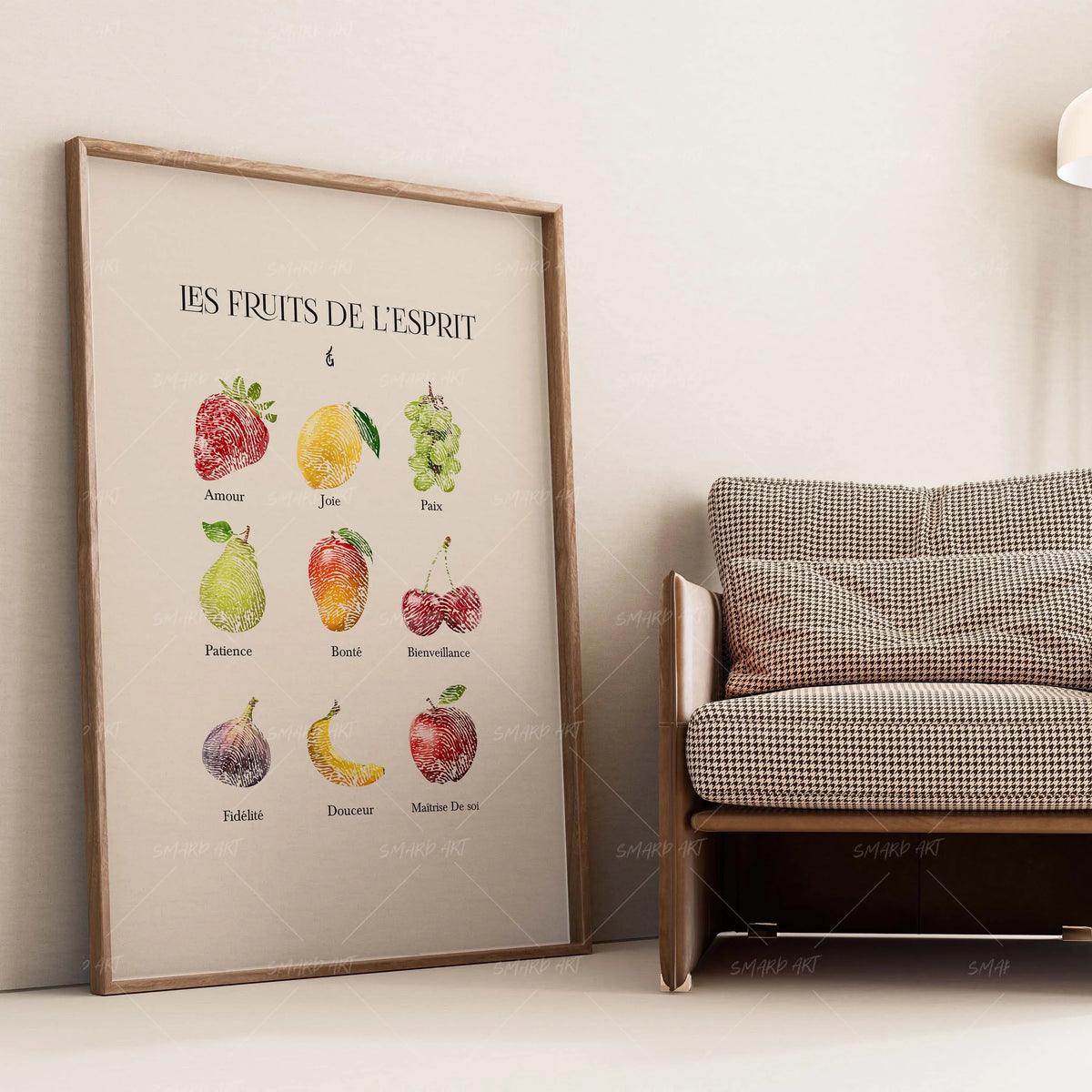
You've found the artwork.
Now comes another decision:
Canvas or framed print?
At first, the difference might seem straightforward. One is printed on canvas; the other is presented as a framed print.
But once artwork is hanging in a room, the format can significantly affect how it looks and feels.
Canvas tends to have more texture and dimensionality.
Framed prints can provide stronger visual structure.
One may work better with a relaxed contemporary interior, while another might complement a polished or traditional space.
Neither option is automatically better.
The right choice depends on the artwork, your interior style, where you're hanging it, how much visual structure you want, and your personal preferences.
Here's how to decide.
The Quick Answer
Choose canvas if you prefer:
- Texture
- A dimensional appearance
- Less emphasis on an outer frame
- A contemporary presentation
- Artwork that feels visually integrated into the room
Choose a framed print if you prefer:
- A defined border
- More visual structure
- A classic gallery-style presentation
- The ability to coordinate frame finishes
- A clearly contained composition
Both can work in modern, traditional, minimalist, eclectic, and contemporary interiors.
What Is a Canvas Print?
A canvas print reproduces artwork on canvas material rather than standard paper.
The canvas is typically stretched around a supporting frame or structure, creating depth between the artwork's front surface and the wall.
This gives canvas art a physical presence.
From the side, the piece has visible depth rather than appearing completely flat against the wall.
That dimensional quality is one of the main reasons people choose canvas.
What Is a Framed Print?
A framed print places printed artwork within a separate frame.
Depending on the product, it may include:
- A mat
- Protective glazing
- Backing
- Hanging hardware
The frame creates a clear boundary between the artwork and the surrounding wall.
This can make the piece feel more architectural and structured.
Canvas vs Framed Prints: The Main Differences
Let's compare the formats directly.
1. Appearance
Canvas has a textured surface and greater physical depth.
Framed prints tend to appear cleaner and more defined because the outer frame creates a visible border.
Neither appearance is inherently more sophisticated.
It depends on the artwork and room.
2. Texture
Canvas naturally introduces surface texture.
This can add visual warmth, particularly in interiors containing:
- Wood
- Linen
- Wool
- Natural fibers
- Soft furnishings
Printed artwork behind glazing typically has a smoother visual presentation.
3. Visual Structure
Frames create boundaries.
That can be useful when artwork needs additional definition against the wall.
For example, a black frame around colorful artwork on a white wall can create strong contrast.
Canvas often creates a softer transition between artwork and wall.
4. Depth
Canvas typically projects farther from the wall because it's stretched around a supporting structure.
This can make the artwork feel more object-like.
Framed prints can also have depth, but the effect depends on the specific frame construction.
5. Reflection and Glare
Glazing used with some framed prints can reflect windows and lighting.
This doesn't automatically make framed prints unsuitable for bright rooms, but placement becomes more important.
Canvas generally doesn't have the same reflective glazing surface.
However, finishes vary, so always check the product specifications.
Which Looks More Expensive: Canvas or Framed Art?
Either can look premium.
Presentation matters more than format alone.
A poorly scaled expensive frame can still look wrong.
A thoughtfully sized canvas can look sophisticated.
Factors affecting perceived quality include:
- Artwork quality
- Print quality
- Scale
- Materials
- Installation
- Placement
- Lighting
- Surrounding décor
Don't choose based solely on the assumption that one format always looks more luxurious.

Canvas vs Framed Prints for Modern Interiors
Modern interiors usually emphasize clean forms and reduced visual clutter.
Both formats can work.
Canvas can create a simple statement without introducing another strong border around the artwork.
Framed prints can complement modern interiors when the frame is clean and understated.
Black frames are especially useful for introducing graphic definition.
Canvas vs Framed Prints for Minimalist Homes
Minimalist interiors benefit from intentional choices.
One large canvas can create a focal point without additional visual detailing.
Alternatively, one framed print with generous surrounding wall space can create an equally strong minimalist statement.
The key isn't canvas versus frame.
It's restraint.
Canvas vs Framed Art for Traditional Interiors
Frames naturally complement many traditional interiors because architectural detailing is already part of the visual language.
But contemporary canvas can create beautiful contrast against:
- Traditional molding
- Classic furniture
- Antique pieces
- Rich wood
Mixing old and new can prevent a traditional room from feeling overly formal.
Canvas vs Framed Prints for Eclectic Homes
Eclectic homes offer the most freedom.
Canvas can sit beside framed photography.
Modern artwork can hang above vintage furniture.
Different frame styles can coexist.
The challenge is creating enough repetition through color, subject, scale, or material that the room feels collected rather than random.
Which Is Better Above a Sofa?
Both formats work.
Scale matters more.
A beautifully framed 8×10 print floating alone above a very large sofa will probably feel undersized.
A properly scaled canvas will feel more connected.
The same applies in reverse.
Choose the artwork dimensions based on the sofa and wall first.
Then choose the presentation format.
Which Is Better Above a Bed?
Again, both.
Canvas can work beautifully above beds because it creates a relatively clean visual statement.
Framed artwork can add structure, particularly in bedrooms with symmetrical furniture and architectural details.
For either format, make sure hanging hardware is appropriate and the artwork is installed securely.
Which Works Better for Gallery Walls?
Framed prints are particularly popular for gallery walls because frames help visually separate individual pieces.
You can create consistency through:
Matching frames.
Similar frame colors.
Repeated matting.
Or deliberately mix different frames for a collected appearance.
Canvas gallery walls can also work, but the greater depth of each piece creates a different visual effect.
Can You Mix Canvas and Framed Art?
Absolutely.
Your home doesn't need one artwork format.
Mixing canvas and framed pieces can actually create more visual depth.
For example:
A large canvas above the sofa.
Framed photography in the hallway.
Small framed prints above a console.
Another canvas in the bedroom.
Consistency can come from the artwork itself rather than identical presentation.
Which Is Better for Large Wall Art?
Canvas can be particularly effective at larger sizes because its depth reinforces the artwork's statement quality.
But large framed prints can create substantial architectural presence.
Before choosing either, consider:
Wall dimensions.
Furniture width.
Weight.
Installation requirements.
Viewing distance.
Frame dimensions.
Large artwork has much greater visual impact, so small differences in presentation become more noticeable.

Canvas vs Framed Prints for Colorful Artwork
Colorful artwork works beautifully in either format.
Canvas allows the color and imagery to dominate.
A frame adds another visual element.
A black frame can intensify contrast.
A wood frame can introduce warmth.
A light frame can create a softer transition.
Ask whether you want the presentation to contain the artwork or allow the artwork itself to dominate.
What About Black-and-White Artwork?
Black-and-white art naturally works well with framing because the outer border can reinforce its graphic quality.
But canvas can make monochromatic artwork feel softer and more textural.
Again, mood matters.
Canvas vs Framed Black Wall Art
Contemporary Black wall art can work beautifully in either presentation.
A canvas can emphasize expressive imagery, color, fashion, portraiture, family, food, culture, music, sports, faith, or everyday Black experiences without introducing another dominant visual element.
A framed presentation can give the same artwork stronger architectural definition.
The choice should support the artwork's visual character rather than simply following a trend.
Which Is Easier to Match With Your Home?
Frames provide another opportunity for coordination.
For example, a black frame can relate to:
- Black window frames
- Lamp bases
- Furniture legs
- Cabinet hardware
Wood frames can connect with:
- Flooring
- Coffee tables
- Shelving
- Other natural materials
Canvas removes that additional decision.
For some people, that's an advantage.
Does Canvas Art Look Cheap?
Canvas doesn't inherently look cheap.
The final appearance depends on:
Print quality.
Canvas quality.
Construction.
Artwork.
Size.
Installation.
Poorly produced wall art can look inexpensive regardless of whether it's canvas or framed.
Likewise, well-produced canvas can create a sophisticated focal point.
Are Framed Prints More Timeless?
Frames have been used to present artwork for centuries, so they naturally have a long-established visual language.
But that doesn't mean canvas is a temporary trend.
Both formats can remain relevant.
Artwork subject, quality, and personal meaning will usually determine longevity more than presentation alone.
What Should You Consider Before Buying?
Before choosing canvas or framed art, ask:
Where will it hang?
Living room?
Bedroom?
Hallway?
Dining room?
Office?
How large should it be?
Measure the wall and nearby furniture.
What's already in the room?
Look at existing wood, metal, and frame finishes.
How much natural light is present?
Consider potential reflections from glazed framed pieces.
What visual effect do you want?
Soft and integrated?
Structured and defined?
Do you plan to create a gallery wall?
Frames may provide additional flexibility for multi-piece arrangements.
Don't Choose the Format Before Choosing the Art
This may be the most important point.
Start with the artwork.
Find something you actually want to see every day.
Then ask:
How should this piece be presented in my home?
Not:
I need a canvas, so which image should I settle for?
The artwork should remain the reason for the purchase.
The format supports it.
Why Smard Art Offers Artwork as Part of the Room's Story
Smard Art creates contemporary artwork exploring Black culture, family, relationships, creativity, fashion, faith, food, music, sports, leisure, and everyday experiences.
Whether a piece is presented as a print or canvas, the goal remains the same:
The artwork should contribute personality and storytelling to the room rather than simply filling an empty wall.
Presentation matters.
But meaning matters too.
Final Verdict: Canvas or Framed Print?
Choose canvas when you want texture, depth, and a presentation that allows the artwork itself to dominate.
Choose framed art when you want stronger visual boundaries, additional structure, and the ability to coordinate frame finishes with your interior.
But don't overthink the decision.
There is no universal winner.
The best wall art format is the one that:
Fits the space.
Works with the artwork.
Suits your interior.
And makes you want to keep looking at it.

Frequently Asked Questions
Is canvas better than framed art?
Neither is universally better. Canvas offers texture and dimensionality, while framed art provides stronger visual structure. Choose based on the artwork, room, and presentation you prefer.
Do canvas prints look good in living rooms?
Yes. Canvas prints can create strong living room focal points, particularly when appropriately scaled to the sofa, console, or wall.
Do framed prints look more expensive than canvas?
Not necessarily. Material quality, artwork, scale, framing, installation, and surrounding décor all affect how premium a piece appears.
Can you mix canvas and framed prints in the same room?
Yes. Mixing formats can create visual depth. Use color, subject, scale, or other repeating elements to create cohesion.
Is canvas good for large wall art?
Yes. Canvas can work particularly well at larger sizes because its physical depth contributes to the artwork's visual presence.
Are framed prints good for gallery walls?
Yes. Frames can help define individual artworks and create consistency across a gallery arrangement.
Is canvas or framed art better above a bed?
Both can work. Choose based on your bedroom style, artwork, dimensions, and desired visual effect, and ensure the piece is securely installed.

Leave a comment
This site is protected by hCaptcha and the hCaptcha Privacy Policy and Terms of Service apply.